Let’s be real—sourcing Guar Gum in 2026 isn’t just about comparing prices anymore. You’ve got to know what each shipment will actually do once it hits your process. Will it reach the viscosity you’re counting on? Does the supplier consistently share particle size, moisture data, and batch documentation? Because even a small spec gap can show up right in the mixing tank—suddenly there are lumps, or the batch thickens unevenly. And fixing that? It’s costly.
Back in 2014, food hydrocolloid researchers G.S. Mudgil, S. Barak, and B.S. Khatkar described Guar Gum as “a galactomannan polysaccharide derived from the endosperm of guar seeds” in their review in the Journal of Food Science and Technology. Since the stuff comes from a plant, traceability and crop variability aren’t just paperwork exercises—they’re practical sourcing questions. A good supplier should be able to walk you through their processing controls, send you representative samples, and back up their claims with current test results. Don't just look at the quoted price—you've got to compare lead times, packaging, and what happens when things go wrong. And ask how they check specs when a new batch or crop enters the supply chain. No checklist is going to catch every surprise. A successful sample is a good sign, but it's not a guarantee that every future shipment will be exactly the same. This guide covers how to vet suppliers, make sure the product actually fits your needs, and build a sturdier Guar Gum sourcing plan for 2026.
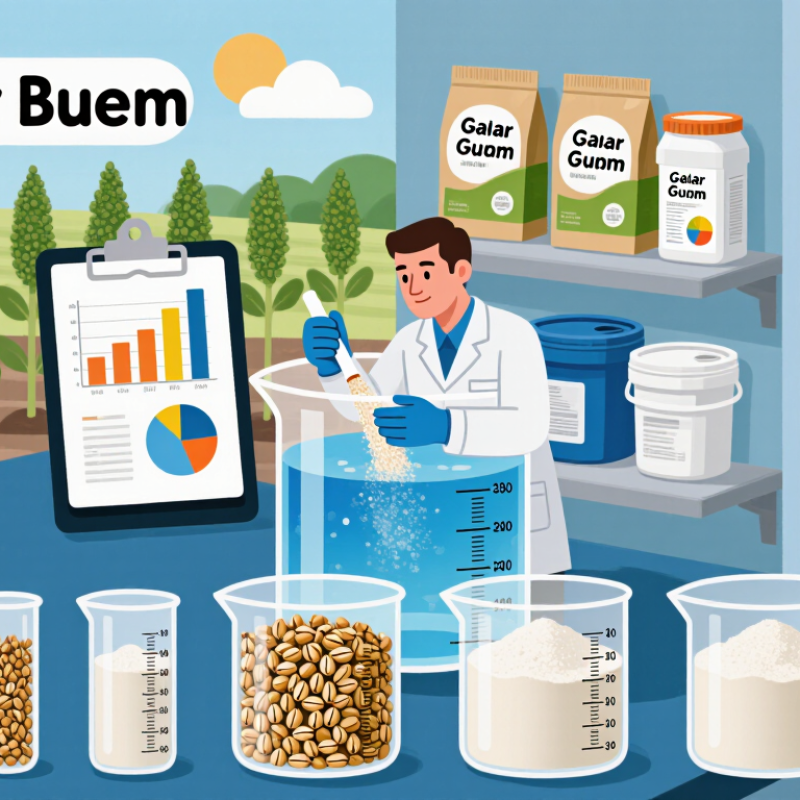
Before requesting guar gum samples, define what the ingredient must do in your product. A beverage may need suspension and a smooth pour, while a bakery filling may need moisture control during storage. Small differences matter. Note the process conditions too: mixing speed, hydration time, temperature, acidity, and salt levels can all affect performance. A powder that disperses well in a cool tank may form lumps when added too quickly to a hot blend.
Turn those needs into measurable specifications. Record target viscosity, test temperature, concentration, and the method used to measure them. Include particle size, moisture, microbiological limits, and packaging requirements where relevant. Ask suppliers for a current specification sheet, certificate of analysis, and guidance on sample testing. Compare samples in your actual formula, not only in water. Real conditions tell you more.
Keep the first trial small and document each adjustment. Change one variable at a time, such as hydration time or addition order, so results remain interpretable. This is easy to overlook. Viscosity readings can also vary with equipment and operator technique, so write down the instrument and settings. Some requirements may change after production-scale testing; that is normal, but it should trigger a revised specification rather than an informal assumption.
Sourcing guar gum in 2026 starts with the job it must do. A beverage may need quick hydration and a smooth pour, while a sauce may need stable body during heating. Match the grade to the process, not just the product name. Check whether the material is food grade or intended for another application, and confirm that its documentation fits your use. Powder is common, but particle size and dispersion behavior affect mixing. Small details matter.
Tips: Ask for viscosity results with the test concentration, temperature, and method stated. Compare like with like. Request a recent certificate of analysis and a sample from the lot you may purchase. A specification without test conditions can be hard to interpret.
Before ordering at scale, test the gum in your actual recipe and equipment. Record mixing time, water temperature, hydration time, and final texture. Review viscosity, moisture, mesh size, and microbiological limits against your process needs. Discuss batch-to-batch variation and packaging conditions with the supplier. A lab sample may behave differently in a large tank; that gap is easy to underestimate. Keep a small reserve sample from each accepted lot, so later changes are easier to investigate.
In 2026, map guar gum origins before comparing supplier quotes. India is the main production center, with cultivation concentrated in dry regions such as Rajasthan. Pakistan also contributes to regional supply. Crop yields can shift with rainfall, so a low price may reflect timing rather than lasting availability.
Trace the material through its supply chain: growers, local aggregators, seed processors, gum manufacturers, and export or distribution channels. Each handoff can affect documentation and consistency. Ask where the crop was grown, where the seed was processed, and whether batches can be traced to a specific production period. Small details matter. A vague origin statement is not enough.
For Guar Gum Powder, request a current specification sheet and batch-level test results. Check viscosity, moisture, particle size, and microbiological limits against your intended use. Compare samples from more than one production lot; one sample can be unusually good. Verify that the supplier can explain its testing and provide records, rather than relying on verbal assurances. I would not assume that a direct purchase always offers better control. Sometimes a capable local distributor provides clearer records and steadier delivery, though this needs checking. Keep records. Note harvest timing, lead times, and how the quoted grade matches the sample.
How to source guar gum in 2026 depends on more than price and a polished product sheet. Ask each supplier for a current specification, a recent certificate of analysis, and the test methods behind its results. Compare viscosity, moisture, particle size, and microbiological limits with your own application needs. Numbers without methods are difficult to judge. Request a lot sample and test it in your actual process, using the same water, temperature, and mixing time. Small differences matter.
Traceability should connect the finished lot to its production and raw-material records. Ask how lot codes are assigned and whether records can be provided promptly. Check procedures for handling deviations, complaints, and product changes. Keep the paperwork. A broad origin statement may sound reassuring, but it does not show how a specific shipment was controlled. I would also ask how the supplier manages changes in processing or sourcing; this detail is easy to overlook.
Compliance needs depend on the product’s intended use and destination market. Confirm the applicable grade, allergen information, contaminant controls, and supporting declarations before approving a supplier. If a formulation also contains Locust Bean Gum, review its documentation separately; similar functionality does not mean identical specifications. One gap can matter. Supplier questionnaires and audits can help, but neither replaces checking real lot records. A tidy file is useful, though it can still leave questions unanswered.
In 2026, sourcing guar gum should begin with a clear application brief, not a low quote. Ask suppliers for samples from the grade and production lot they can actually ship. Test hydration time, viscosity at your process temperature, and performance in the finished formula. Keep a simple record: sample ID, date, mixing speed, water temperature, and results. Small details matter. A sample that performs well in a beaker may behave differently in a full tank.
Compare pricing on an equivalent basis. Confirm mesh size, viscosity range, moisture, packaging, and whether the offer includes freight, insurance, or export documents. Request current specifications and a certificate of analysis for the offered lot; do not assume a sample represents every shipment. When comparing guar gum with Locust Bean Gum Powder, check functionality and use level rather than price per kilogram alone. The cheaper option may require more material or extra processing. That is easy to miss.
Lead times need dates, not vague promises. Ask when production is scheduled, how long quality release takes, and whether stock is ready or made to order. For logistics, compare pallet dimensions, bag protection, humidity controls where appropriate, route, transit estimate, and delivery terms. Confirm who handles customs paperwork and what happens after a delay. Leave buffer time. One easy mistake is treating transit time as the whole schedule. Build a small contingency into the plan, then review the first delivered lot against the approved sample.
Buyer-planning comparison for common guar gum options. Prices are broad, indicative USD/kg ranges for bulk export purchasing, not verified live 2026 offers; actual quotations depend on specification, order size, origin, packaging, currency, and Incoterms. Request current quotes and a batch-specific Certificate of Analysis before ordering.
| Product / Typical Use | Key Specification to Compare | Sample Check | Typical Order Quantity | Indicative Production Lead Time | Logistics Considerations |
|---|---|---|---|---|---|
| Food-grade guar gum powder | Food-grade compliance; viscosity at a stated concentration, temperature, and test method; mesh size; moisture; microbiological limits | Request 200–500 g; test hydration, viscosity, dispersion, odor, and color against the intended recipe | Commonly 1–5 metric tons, subject to supplier minimums | About 2–5 weeks for production and preparation, depending on stock and testing | Moisture-sensitive powder: use sealed, moisture-resistant inner liners and dry container conditions. Confirm food-contact packaging and destination-market documentation. |
| Industrial-grade guar gum powder | Viscosity and hydration performance suited to the process; mesh size; moisture; insoluble matter; application-specific compatibility | Request a representative sample and run a process-specific trial; application performance may differ from food-grade material | Commonly 1–5 metric tons; larger lots may be available | About 2–5 weeks, depending on specification and production schedule | Compare the delivered cost, not only the product price. Confirm palletization, bag strength, container loading, and handling requirements. |
| High-viscosity or tightly controlled food-grade grade | Guaranteed viscosity range with test method stated; particle size; hydration profile; microbiological and chemical limits | Test more than one lot when consistency is critical; agree on acceptance limits and retain a sealed reference sample | Commonly 1–5 metric tons; smaller trial lots may carry a premium | About 3–6 weeks if made to order or subject to additional quality testing | Ask for lot traceability, a batch COA, and advance notice of any specification or process changes. Allow time for document review before dispatch. |
| Organic-certified guar gum | Valid organic certification for the product, facility, and intended destination market; also verify food-grade specifications | Check the sample alongside current certification and traceability documents; certification claims alone do not establish functional performance | Often 1–5 metric tons, depending on certified inventory and supplier minimums | About 3–7 weeks; certified stock and document checks can affect timing | Confirm certificate scope, shipment documentation, and destination-country organic import rules before booking freight. |
| Guar gum split / seed material | Split purity, color, moisture, foreign matter, and suitability for the buyer’s processing equipment | Inspect cleanliness, moisture, and consistency; conduct a pilot milling or extraction trial before committing to a large lot | Typically traded in larger lots; confirm minimums directly | About 2–6 weeks, depending on availability, cleaning, and export preparation | Lower unit value can make freight a significant share of landed cost. Check container utilization, phytosanitary or other import requirements, and customs classification. |
Planning guide: air freight is generally faster but more expensive than ocean freight; ocean transit commonly takes several weeks and varies by route, port congestion, and service. Add time for customs clearance and inland delivery. Before placing an order, compare quotations on the same Incoterm (for example, FOB, CIF, or DAP), confirm payment terms and shipment dates in writing, and approve a pre-shipment COA and packaging specification.
When sourcing guar gum in 2026, treat the contract as a supply-control document, not just a price agreement. Specify viscosity range, mesh size, moisture limits, microbiological criteria, packaging, and test methods in writing. Set acceptable lot variation and require a certificate of analysis for each shipment. Define delivery windows, volume tolerances, payment milestones, and a clear process for handling out-of-spec material. Small gaps matter. One vague specification can leave teams debating a drum that looks perfectly ordinary.
Ask suppliers to disclose production lead times and how they communicate crop, freight, or plant disruptions. Agree on early notification, allocation rules, and practical remedies if shipments slip. Qualify backup supply before a shortage, not during one. Review forecasts monthly and check safety stock against actual use, shelf life, and warehouse conditions. Keep retain samples and compare results when performance shifts. Include freight, testing, and rejected-lot costs when comparing quotes. Refined Locust Bean Gum may appear in related formulations, but it is not an automatic substitute; validate performance in trials.
Tips: Keep a one-page supplier scorecard. Track on-time delivery, lot acceptance, and response time. Revisit assumptions after each disruption. Forecasts are imperfect; admit that, then adjust the plan.
Illustrative procurement targets for reducing exposure to crop, logistics, and quality disruptions. These are planning benchmarks, not reported market statistics.
Set contract volumes against forecast demand, then review coverage as crop availability and delivery risks become clearer. Keep contingency supply and quality checks in the plan rather than relying on a single purchase window.
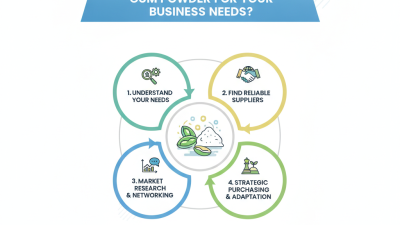
Identify the product’s needs, such as beverage suspension or moisture control in a bakery filling. Record mixing speed, hydration time, temperature, acidity, and salt levels. Small process changes can matter.
Set target viscosity, test temperature, concentration, and measurement method. Also review particle size, moisture, microbiological limits, and packaging. Numbers alone are not enough.
Test it in your actual formula, using your own water, temperature, and mixing time. Start with a small trial. Change one variable at a time, and note the instrument settings.
Request a current specification sheet, a recent certificate of analysis, and the test methods used. Ask for a lot sample and relevant supporting declarations. Keep the paperwork.
Ask how lot codes link to production and raw-material records. Check whether records are available promptly, and review procedures for complaints, deviations, and product changes. A broad origin statement may leave gaps.
Confirm the appropriate grade, allergen information, contaminant controls, and declarations for the intended use and destination market. Review documentation for every ingredient separately. Similar performance does not mean identical specifications.
Write down viscosity range, mesh size, moisture limits, microbiological criteria, packaging, and test methods. Define acceptable lot variation, shipment certificates, delivery windows, and remedies for out-of-spec material. Be precise.
Ask about lead times and early notice of crop, freight, or plant disruptions. Qualify backup supply before shortages occur. Review forecasts monthly and compare safety stock with use, shelf life, and warehouse conditions.
Use a simple scorecard for on-time delivery, lot acceptance, and response time. Keep retain samples and compare them when performance shifts. Forecasts are imperfect. Adjust the plan after disruptions.
Sourcing Guar Gum in 2026 starts with a clear understanding of how it will be used and the technical requirements it must meet. Define the intended application, then compare suitable grades, forms, and performance specifications, such as solubility, viscosity, and consistency. Consider where potential supplies originate and which sourcing channels can meet your needs, while assessing suppliers for quality controls, traceability, documentation, and relevant compliance practices.
Before committing, evaluate samples against your requirements and compare pricing, lead times, shipping arrangements, and available supply capacity. Look beyond the initial purchase cost: reliable delivery, consistent product performance, and clear communication can all affect long-term value. Once you select a supplier, establish contract terms for specifications, quality expectations, delivery schedules, and issue resolution. Plan for ongoing supply risks by monitoring availability and keeping practical alternatives in view, helping your organization secure a dependable Guar Gum supply as conditions change.