Leave Your Message

Reasons for contact:

Where are you in your project?

Product Type(s) of Interest

0%

Finding Coenzyme CoQ10 from around the world in 2026 isn’t just about comparing prices on some supplier spreadsheet. It’s about having good judgment, solid documentation you can trace back, and patience with imperfect or incomplete info. When you're sourcing, you really need to look into things like where the raw materials come from, whether they were fermented or synthesized, how pure they are, how stable, and what form the final product takes. Having a slick website doesn’t really prove much—trust me, it’s what’s underneath that counts.

Remember what Dr. Karl Folkers, one of the first guys to really study CoQ10, once said? “Coenzyme Q10 is essential for life.” That really sticks with me because it’s a reminder that good sourcing isn’t just marketing fluff—it’s about quality being a scientific must. In practical terms, I’d ask for the latest Certificates of Analysis, testing for heavy metals, microbiology results, residual solvents, and stability data. Also, it’s crucial to compare the specs for ubiquinone and ubiquinol—they’re not the same thing and shouldn’t be bought interchangeably.

Sometimes it’s the little things that matter. Like, if you get a sealed sample that’s warm to the touch, or if the batch code on the supplier’s packaging doesn’t match what’s on the invoice—these are red flags that need looking into. They might mean a simple warehouse mistake, or they could point to bigger quality control issues. Don’t just assume that a cheap offer is always a good deal. Extras like freight insurance, temperature control during transit, customs paperwork, minimum order amounts, and delays in testing can really add up and affect the real cost.

Getting reliable supplies isn’t just about making a quick decision. It also means doing supplier audits, working with qualified labs, and setting up clear procedures for release and approval. Big names like Kaneka and DSM-Firmenich have raised the industry standard, but even so, every shipment still needs its own independent checks. Trusting a good reputation helps, sure, but it’s no substitute for hard evidence.

This guide is designed to help manufacturers build a strong, flexible supply network for CoQ10 in 2026. It covers how to evaluate suppliers, consider regional risks, ensure formulation compatibility, handle regulatory paperwork, and plan for unexpected surprises. Keep in mind, market situations change fast, and some assumptions you might have now could become outdated quickly. So, it’s always best to make decisions based on solid evidence, stay transparent, and keep reviewing your approach regularly.

How to Source Coenzyme CoQ10 Globally in 2026?

Define Coenzyme Q10 Types, Uses, and Global Market Requirements

How to Source Coenzyme CoQ10 Globally in 2026?

Coq10 Coenzyme Q10 is not one uniform ingredient. Buyers should distinguish ubiquinone from ubiquinol before comparing quotations. Ubiquinone is the oxidized form. Ubiquinol is the reduced form. Their stability, testing methods, and production costs can differ. A supplier should explain the conversion process, assay basis, and recommended storage conditions. Dark, sealed packaging helps protect the material from light and oxygen.

Coenzyme Q10 is commonly used in dietary supplements, functional foods, and selected personal care products. Its commercial purpose should guide the specification. A capsule ingredient may require different flow properties than a softgel ingredient. Procurement teams should request identity testing, potency results, residual solvent data, heavy metal limits, and microbiological reports. Stability data matters too. Ask for results under realistic temperature conditions, not only ideal laboratory settings.

Global sourcing also requires country-specific documentation. Check manufacturing authorization, certificates of analysis, allergen statements, traceability records, and transport conditions. Confirm whether the material meets the destination market’s food or supplement requirements. Batch consistency is essential. One attractive sample proves very little. I have seen purchasing decisions rely too heavily on price and one successful test. That approach can fail later. A spreadsheet can look complete and still mislead. Review production capacity, audit access, complaint handling, and backup supply before signing agreements. Clear questions expose weak controls early. Loose wording remains a risk.

How to Source Coenzyme Q10 Globally in 2026?

Coenzyme Q10 is commercially available mainly as ubiquinone, the oxidized form, and ubiquinol, the reduced form. Their molecular formulas differ by two hydrogen atoms, producing slightly different molecular weights.

Global Sourcing Requirements

Ubiquinone has the formula C59H90O4 and a molecular weight of approximately 863.34 g/mol. Ubiquinol has the formula C59H92O4 and a molecular weight of approximately 865.36 g/mol. When sourcing globally, buyers should verify identity testing, assay, oxidation-state specification, residual solvents, heavy metals, microbial limits, stability data, country-specific labeling, and compliance with applicable food, supplement, or pharmaceutical regulations. There is no universally established recommended daily allowance or global maximum daily intake for CoQ10, so dosage and claims must be reviewed under the regulations of the destination market.

Set Product Specifications, Quality Standards, and Sourcing Objectives

In 2026, a reliable CoQ10 sourcing plan should begin with measurable product specifications. Grand View Research reported steady growth in the global CoQ10 market, driven by supplements and functional nutrition. Demand alone does not define quality. Specify ubiquinone or ubiquinol, minimum assay, particle size, moisture, residual solvents, heavy metals, and microbiological limits. For sensitive powders, require light-resistant packaging and documented storage below the stated temperature.

Quality standards must be verifiable at every shipment. Align analytical testing with applicable USP-NF, Ph. Eur., or validated in-house methods. Request batch-specific certificates of analysis, raw-material traceability, allergen declarations, and stability data. ISO 22000 and GMP systems are useful, but certificates should not replace an on-site or independent audit. Check chromatograms, not only summary numbers. Small details matter.

Sourcing objectives should balance landed cost, lead time, minimum order quantity, and continuity. A 2024 industry report from Grand View Research identified Asia-Pacific as a major CoQ10 production and consumption region, making regional diversification practical. For Wholesale Coq10, qualify two production routes where possible. Compare three recent batches before approval. My caution is simple: a low quotation can conceal weak testing or unstable supply. A perfect forecast is unrealistic. Build review points at 90 and 180 days, then adjust specifications when evidence changes.

Identify and Evaluate Qualified International CoQ10 Suppliers

How to Source Coenzyme CoQ10 Globally in 2026?

Qualified international CoQ10 suppliers require more than a competitive quotation. Grand View Research’s 2024 report estimates the global CoQ10 market will expand strongly through 2030. However, market estimates differ by research firm and product definition. That difference deserves attention. A supplier should disclose its manufacturing location, production capacity, raw material origin, and export history. Request current GMP and ISO certificates, then verify them with the issuing bodies.

Technical qualification must be evidence-based. Ask for batch-specific certificates of analysis, not generic templates. Confirm assay results through HPLC or UPLC testing. Review impurity profiles, residual solvents, heavy metals, microbiological limits, and stability data. USP quality guidance emphasizes identity, strength, purity, and contamination control for dietary ingredients. Check whether the supplier can provide accelerated and real-time stability studies. Packaging matters too. Light, oxygen, and heat can affect CoQ10 quality during long-distance shipping. A small sample can look excellent. Production consistency may still fail.

Tips: Build a supplier scorecard before contacting factories. Include quality, documentation, lead time, minimum order quantity, payment terms, and corrective-action history. Arrange a remote or on-site audit when volumes justify it. Compare three recent batches, not one. Ask difficult questions politely. Silence is data. Also check regulatory expectations in the destination market, because acceptable specifications can differ. No supplier file is perfect, and my own evaluation can miss weak signals. Independent laboratory testing before release remains a sensible safeguard.

Verify Regulatory Compliance, Testing, Traceability, and Certifications

Sourcing CoQ10 globally in 2026 requires more than comparing prices. Regulatory status differs across markets. Confirm whether the material is treated as a food ingredient, dietary supplement, or medicinal substance. The 2024 Council for Responsible Nutrition Consumer Survey reported that 75% of U.S. adults use dietary supplements. That demand increases pressure for documented quality.

Request the manufacturer’s current specification, allergen statement, heavy-metal results, microbiological testing, and residual-solvent data. For Coq10 Ubiquinol, verify identity with validated analytical methods, not appearance alone. Review certificate-of-analysis results against independent laboratory testing. USP quality guidance stresses identity, purity, strength, and composition controls for supplements. A certificate is evidence, not proof.

Trace every lot from raw-material receipt to final shipment. Examine batch numbers, storage temperatures, transport records, and recall procedures. Check whether the facility follows applicable good manufacturing practices, such as U.S. 21 CFR Part 111 or relevant European requirements. Certifications can support confidence, but their scope and expiration date matter. Ask who performed the audit.

I would also compare stability data under heat and humidity. This step is often rushed. It should not be. Supplier questionnaires may reveal gaps, but they rarely replace an on-site audit. The World Health Organization’s GMP guidance emphasizes documented controls and consistent manufacturing. Keep those records accessible for every market. One overlooked translation or labeling difference can delay customs clearance and weaken consumer trust.

Compare Pricing, Minimum Orders, Logistics, and Contract Terms

How to Source Coenzyme CoQ10 Globally in 2026?

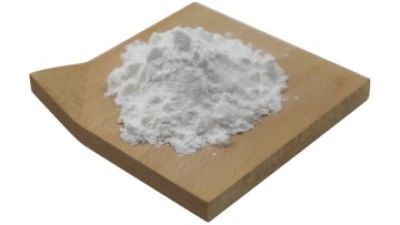
Sourcing Coq10 Powder requires more than comparing the lowest quotation. Ask for assay results, particle size, residual solvent data, and recent batch records. A practical supplier should explain testing methods clearly. Request a small sample first. Then compare its color, flow, odor, and laboratory results. Pricing often changes with purity, packaging, payment terms, and order volume. A lower price may hide higher testing or freight costs.

Minimum order quantities can range from a few kilograms to pallet-level shipments. Confirm whether the supplier accepts a trial order without changing the unit price sharply. Calculate the landed cost, including insurance, customs charges, warehousing, and inland delivery. Check production lead time and reserve stock before committing to seasonal demand. Protect sensitive powder with sealed, light-resistant packaging. Humidity exposure can damage an otherwise acceptable batch.

Logistics terms need precise wording. State the delivery location, Incoterm, shipping method, temperature expectations, and responsibility for delays. Contract terms should cover specifications, batch rejection, replacement timelines, confidentiality, payment stages, and change notifications. Include a document list: certificate of analysis, safety data sheet, origin statement, and packing details. I have learned that verbal assurances are weak evidence. Written clauses matter. Still, forecasting remains imperfect. A supplier may meet specifications while missing your production schedule, so review performance after every shipment.

Manage Supply Risks and Build a Resilient Procurement Strategy

How to Source Coenzyme CoQ10 Globally in 2026?

Global CoQ10 demand is expanding, but supply resilience matters more than headline price. Grand View Research’s 2024 market report projects strong growth through 2030. That pressure can encourage rushed purchasing. Avoid it. Map each supplier’s manufacturing site, raw material origin, production capacity, and export route. Keep this information updated quarterly.

McKinsey’s 2024 supply-chain survey found that 73% of companies had improved resilience, yet many still relied on concentrated supplier networks. For CoQ10, qualify at least two independent production sources. They should not share the same factory, port, or critical input. Request recent certificates of analysis, HPLC identity results, stability data, and batch records. Test incoming lots independently. A low price is meaningless if oxidation, delayed release, or inconsistent potency creates rework.

Build inventory around realistic lead times, not optimistic quotations. Hold safety stock before major holidays, port congestion, or seasonal demand increases. Use a simple risk dashboard covering quality, logistics, currency, and regulatory documentation. The weak point is often internal. Procurement teams may approve a second supplier without checking true manufacturing independence. Review that assumption. Contract terms should define change notifications, audit access, recall cooperation, and emergency allocation. UNCTAD’s 2024 maritime transport review also highlighted how geopolitical disruptions can lengthen routes and raise freight uncertainty. A resilient plan needs alternate lanes, pre-approved logistics partners, and clear release criteria for every CoQ10 shipment.

How to Source Coenzyme CoQ10 Globally in 2026? – Manage Supply Risks and Build a Resilient Procurement Strategy

Sourcing Dimension Verified Technical or Planning Data Key Supply-Risk Implication Recommended Procurement Control
Product identity Coenzyme Q10 in its oxidized form is ubiquinone; its molecular formula is C59H90O4 and its molecular weight is approximately 863.34 g/mol. Incorrect identity or inconsistent specification can cause analytical, labeling, and customs problems. Define the chemical form, assay basis, impurity limits, test methods, and applicable regulatory grade in the purchase specification.
Available product forms The principal commercial forms are ubiquinone and reduced CoQ10, commonly called ubiquinol. They are not interchangeable for specification, stability, or analytical purposes. Substitution between forms may affect formulation performance, claims, testing, and regulatory acceptance. Approve separate specifications and qualified sources for each form; prohibit substitutions without written change control.
Regional supply strategy Commercial supply is concentrated in a limited number of specialized manufacturing clusters, particularly in East Asia, with additional capacity in other Asian and European markets. Concentration increases exposure to export restrictions, transport disruption, energy costs, and regional quality events. Use a two-region qualification model where practical, with at least one technically approved alternate source outside the primary supply cluster.
Ocean transport planning End-to-end ocean replenishment commonly requires about 6–12 weeks, including production release, booking, transit, customs, and inland delivery; actual timing varies by lane and season. Port congestion, blank sailings, inspections, and weather can extend replenishment beyond the nominal transit time. Calculate safety stock using total lead-time variability, not only the quoted vessel transit time.
Airfreight contingency Airfreight can reduce transport time to roughly 1–3 weeks on many international lanes, but capacity, dangerous-goods classification, and airport restrictions must be checked. Emergency airfreight can materially increase landed cost and may not be available during peak periods. Pre-approve emergency freight routes, budget limits, packaging requirements, and alternate airports before a disruption occurs.
Stability sensitivity CoQ10 should generally be protected from excessive heat, moisture, oxygen, and light. Reduced CoQ10 is especially sensitive to oxidation and requires tighter handling controls. Improper storage or repeated temperature excursions may reduce assay or alter the oxidation profile. Specify light-protective, moisture-resistant packaging; record transport conditions and verify stability data for the intended pack size.
Shelf-life management Commercial shelf life is commonly set within a manufacturer-specific range of approximately 24–36 months, subject to formulation, packaging, and stability evidence. Long transit or slow inventory rotation can reduce remaining shelf life at receipt. Set a minimum remaining shelf-life requirement, apply FEFO inventory control, and request lot-specific expiry documentation before shipment.
Quality release testing Core controls typically include identification, assay, related substances or degradation products, residual solvents, elemental impurities, microbiological quality, and moisture where relevant. Different analytical methods can produce non-comparable results, especially for reduced and oxidized forms. Align supplier and buyer methods, define system-suitability criteria, and maintain retain samples for each released lot.
Supplier qualification A robust qualification package normally includes a quality agreement, manufacturing-site assessment, process description, batch records or equivalent evidence, change-control history, and recent certificates of analysis. Documentation gaps can delay approval, import clearance, or customer release. Use risk-based audits and require advance notification for changes to raw materials, process, site, test method, packaging, or specifications.
Regulatory documentation Market requirements differ by jurisdiction and intended use, including food, dietary supplement, cosmetic, or pharmaceutical applications. Required evidence may include allergen, GMO, BSE/TSE, residual-solvent, contaminant, and product-safety statements. A material accepted in one market may require additional documentation or a different legal status in another. Create a destination-market dossier before purchase and confirm tariff classification and import requirements with a qualified customs adviser.
Inventory resilience A practical starting point is to hold safety stock covering approximately 8–16 weeks of demand, then adjust it using demand variability, lead-time variability, and supplier performance. A fixed stock target may be excessive in stable lanes or insufficient during prolonged disruptions. Use a documented safety-stock formula and review it monthly against forecast error, actual lead time, service level, and expiry risk.
Contract structure Longer-term agreements can improve allocation visibility, while flexible purchase windows and volume bands help manage uncertain demand. Rigid minimum-order commitments may create excess inventory when demand or regulatory requirements change. Include allocation language, capacity reservation, forecast tolerances, service-level targets, price-adjustment rules, and disruption-notification deadlines.
Procurement risk dashboard Recommended monthly indicators include supplier on-time delivery, lot acceptance rate, lead-time variance, remaining shelf life, open deviations, documentation completeness, and single-source exposure. Early warning signals are often visible before a stockout or regulatory failure occurs. Set red-amber-green thresholds, assign owners, and link escalation actions to each indicator.
Planning note: Lead times, shelf life, safety-stock levels, specifications, and regulatory documentation are indicative benchmarks. Confirm current requirements with the qualified supplier, destination-market regulator, testing laboratory, and customs adviser before placing orders.

Factory Wholesale D-Biotin 98% Powder: Benefits, Uses, Quality, and Vitamin B7 Sourcing Guide

D-Biotin 98% powder, also known as Vitamin H, Coenzyme R, or Vitamin B7, is a reliable ingredient for nutritional supplements, functional foods, and selected personal-care formulations. Biotin contributes to normal energy metabolism and supports the maintenance of healthy skin, hair, and nails when used as part of a balanced diet. With a CAS number of 58-85-5 and an assay of 98%, this fine powder is suitable for manufacturers seeking consistent quality for capsules, tablets, premixes, and other formulation applications.

Quality control is supported by HPLC detection, while cGMP, ISO22000, ISO9001, Kosher, BRC, and Halal certifications help meet diverse sourcing requirements. Wholesale packaging is available in 25 kg drums or 1 kg bags, with the material stored in a cool, dry place away from direct light to preserve stability. Orders can generally be dispatched within 1–3 days, with shipping arranged in approximately 3–5 days depending on destination and logistics. Payment options include T/T, VISA, XTransfer, and Alipay, offering flexible purchasing arrangements for international buyers.

FAQS

What are the main types of Coenzyme Q10?

Ubiquinone is the oxidized form. Ubiquinol is the reduced form. Their stability, testing, and costs may differ.

How should buyers compare different Coenzyme Q10 quotations?

Compare assay methods, conversion processes, storage requirements, and packaging. A low price alone proves very little.

What testing documents should buyers request?

Request identity, potency, residual solvent, heavy metal, microbiological, and stability results. Independent testing is still worthwhile.

How should Coenzyme Q10 be stored during transport?

Use dark, sealed packaging to limit light and oxygen exposure. Check temperature records from production through delivery.

Does the final product affect the ingredient specification?

Yes. Capsules and softgels may require different flow or handling properties. Match the ingredient to its intended use.

Which documents support international sourcing?

Request manufacturing authorization, certificates of analysis, allergen statements, traceability records, and transport documents. Check expiration dates carefully.

How can buyers evaluate supplier reliability?

Review production capacity, audit access, complaint handling, recall procedures, and backup supply. One successful sample is not enough.

How can companies reduce supply disruption risks?

Qualify two genuinely independent sources. Check their factories, ports, raw materials, and critical inputs.

How much inventory should buyers maintain?

Base safety stock on realistic lead times, seasonal demand, holidays, and port congestion. Optimistic quotations can mislead planning.

What mistakes should procurement teams reconsider?

Do not trust price, appearance, or one clean test too heavily. A complete spreadsheet can still hide weak controls.

Conclusion

Sourcing Coenzyme Coq10 globally in 2026 requires a structured approach that begins with understanding its forms, intended applications, and target market requirements. Buyers should define clear product specifications, including purity, dosage form, stability, packaging, and acceptable testing methods. Establishing quality standards and sourcing objectives early helps ensure that potential suppliers can meet technical, commercial, and regulatory expectations across different markets.

A reliable procurement process should include identifying qualified international suppliers and evaluating their manufacturing capabilities, quality systems, certifications, traceability, and regulatory documentation. Independent testing and thorough verification can help confirm product identity, purity, consistency, and safety. Buyers should also compare pricing, minimum order quantities, lead times, shipping options, payment conditions, and contract terms. To strengthen long-term supply continuity, companies should assess geopolitical, logistics, production, and compliance risks while developing backup suppliers, appropriate inventory levels, clear communication procedures, and a resilient global sourcing strategy.

Ethan

Ethan

Ethan is a dedicated marketing professional at Shaanxi Yuantai Biological Technology Co., Ltd., where he plays a pivotal role in promoting the company's extensive range of products. With a deep understanding of plant extracts, nutritional supplement raw materials, cosmetic raw materials, organic......
Previous Why Is NMN So Popular Among Global Buyers?