Leave Your Message
- Phone
- E-mail
- Whatsapp
- WeChat
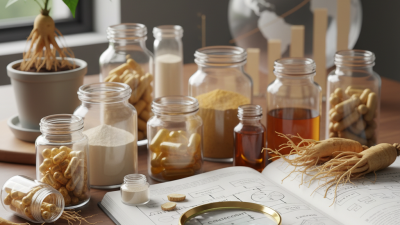
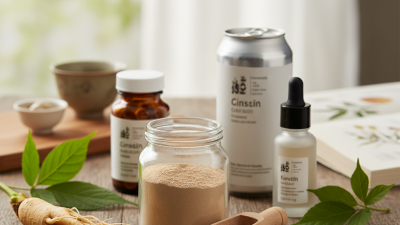
You'll find ginseng extract in all sorts of forms — capsules, teas, liquid drops, and even powders like the Ginseng Extract Powder. A lot of folks reach for it to boost their energy, shake off that tired feeling, or just keep themselves feeling okay day to day. But here's the thing: just because people use it for something doesn't mean it's actually been proven to do the trick. The research out there is all over the place, depending on which ginseng species you're looking at, how strong the extract is, and how the study was set up. You know, Asian ginseng and American ginseng really aren't interchangeable – like, at all. And it's not just about the name – the actual ginsenoside content in products can vary quite a bit, depending on the brand or how it's processed.
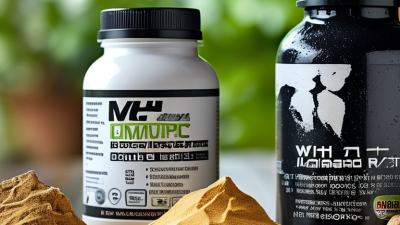
You know, Dr. Pieter Cohen—who's both a physician and a researcher digging into dietary supplements—makes a really good point here. Basically, if you boil down his work, it's something like: just because a label says it's a supplement doesn't mean it's actually safe or that it'll do what it claims. And that's a big deal, right? Think about it: you've got a jar sitting on your kitchen shelf, and it might list the plant's name, but it doesn't tell you much about how much of the active ingredient is actually in each dose. So, when you're checking out a supplement, look for things like the specific species, which part of the plant they used, the serving size, and whether they've done any quality testing. That's the stuff that really matters. Hey, before you start taking ginseng, definitely check with your doctor or a pharmacist—especially if you're on any meds or have a health issue. It can have side effects, and it might not mix well with certain drugs. Just a heads up: it's not meant to replace your prescribed treatment.
Look, the evidence here is all over the place, honestly. That's worth paying attention to. Some studies show potential benefits for certain things, but others are pretty limited or show almost no effect. I'd be careful about assuming that just because something has been used traditionally, it's guaranteed to work – that's a tempting shortcut, but not reliable. In this guide, we'll dig into common uses, what the research actually says (and doesn't), how different products vary, and some practical safety stuff. The finer points really matter – sometimes way more than those flashy claims on the front of the label.
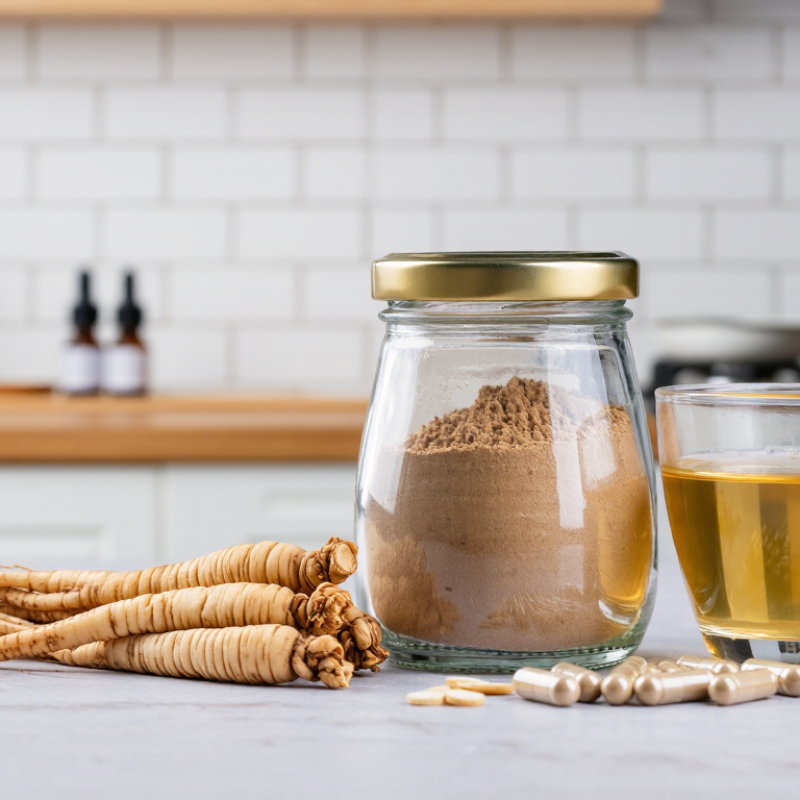
Ginseng Extract is made from roots of plants in the Panax genus, but “ginseng” does not describe just one plant. Panax ginseng is commonly called Asian or Korean ginseng, while Panax quinquefolius is American ginseng. They have different chemical profiles, so findings about one species may not apply to another. Siberian ginseng is not a Panax species, despite its familiar name.
The root is the main part used in commercial extracts. Its age, growing conditions, and processing can affect the final mixture. Some products use dried root; others use steamed root, often called red ginseng. Extraction methods also matter. A liquid extract and a powder may not contain the same proportions of plant compounds. Small differences count.
Ginsenosides are among the best-known compounds in Panax roots. They are a group of saponins, not a single ingredient, and their levels vary between species and preparations. Researchers study them for possible effects on energy, attention, and other aspects of health, but evidence differs by use and remains incomplete. The label can seem more precise than the product really is. Checking the named species, root preparation, and ginsenoside standardization gives a clearer picture than relying on “ginseng” alone.
What Is Ginseng Extract Used For? - What Ginseng Extract Is: Panax Species, Root Parts, and Ginsenosides
| Dimension | Details | Practical context |
|---|---|---|
| What ginseng extract is | A concentrated preparation made from ginseng plant material, most commonly the root. Extracts may be made with water, alcohol, or a combination, so their composition and concentration can differ. | “Ginseng extract” is not a single standardized substance. Check the plant species, plant part, preparation, and declared extract amount on a product label. |
| Panax ginseng | Also called Asian or Korean ginseng. Its root is used in traditional practices and in many modern supplements. | It is a different species from American ginseng. Research findings for one species should not automatically be applied to the other. |
| Panax quinquefolius | Also called American ginseng. Its root contains ginsenosides, but the relative amounts and types can differ from those in P. ginseng. | Species identification matters because “ginseng” on its own may not tell you which Panax species is present. |
| Panax notoginseng | A separate Panax species, traditionally used in different contexts. Its chemical profile is not identical to that of P. ginseng or P. quinquefolius. | Do not treat evidence about one Panax species as proof of the same effect for another. |
| Plant parts | Commercial ginseng extracts commonly use the root, which may include the main root and smaller rootlets. Some preparations use other plant parts, such as leaves. | Different plant parts can have different constituent profiles. The label should identify the part used when that information is available. |
| White and red ginseng | White ginseng is generally dried without steaming. Red ginseng is generally steamed and then dried; this processing can change the profile of ginsenosides. | These terms describe processing, not different plant species. Processing methods and resulting compositions can vary. |
| Ginsenosides | Ginsenosides are a group of saponin compounds often used to characterize Panax ginseng. Examples include Rg1, Re, Rb1, and Rd. | Ginsenoside levels vary with species, plant age, plant part, growing conditions, and processing. A higher stated amount does not by itself establish a greater health benefit. |
| Commonly promoted uses | Ginseng extracts are commonly promoted for fatigue, energy, mental performance, immune support, and sexual function. | These are areas of use or research, not guaranteed outcomes. Evidence differs by species, preparation, dose, and health concern. |
| Research on fatigue and cognition | Some studies have examined ginseng for fatigue or aspects of cognitive performance, but results are mixed and may not apply to every extract or population. | Ginseng extract should not be considered a proven substitute for assessment or treatment of persistent fatigue or cognitive symptoms. |
| Safety considerations | Possible effects include sleep disturbance, headache, or digestive symptoms. Ginseng may affect blood glucose and may interact with medicines, including some blood-thinning or diabetes medicines. | People who take prescription medicines, are pregnant or breastfeeding, or have a health condition should consult a qualified healthcare professional before using it. |
Note: Ginseng extracts are not interchangeable, and evidence for a specific use depends on the species and preparation studied. This table is for general information and is not medical advice.
It usually means an extract made from roots of plants in the Panax genus. The name alone is vague.
No. Panax ginseng and Panax quinquefolius have different chemical profiles. Siberian ginseng is not a Panax species.
The root is the main part used in commercial extracts. Its age, growing conditions, and processing can affect the final mixture.
They are a group of compounds found in Panax roots, not one single ingredient. Their levels vary. Small differences matter.
No. Powder is ground root, while an extract is concentrated using a specific process. A powdered-root dose cannot be applied directly to an extract.
A 4:1 ratio means four parts starting root were used for one part extract. It does not prove greater strength or effectiveness.
Research findings vary by health outcome, preparation, and study design. Traditional use mentions fatigue and weakness, but results are not guaranteed.
Check the named species, plant part, extraction solvent, ratio, and any standardized compounds. A label that says only “ginseng” leaves questions unanswered.
Look for botanical identity testing and screening for contaminants. A recent certificate should identify the tested batch and methods. Labels can still be confusing.
Ask before use if you take medication or have a health condition. Discuss the specific extract, not just its root-powder amount.
Ginseng Extract is made from the roots of Panax plants, though the species and root parts used can vary. Its active constituents, called ginsenosides, are often measured or listed to describe an extract’s composition. Because preparation methods and concentration differ, the amount of powdered root cannot be directly treated as an equivalent dose of extract.
Ginseng has traditionally been used for energy, fatigue, and general weakness. Human research offers limited support for possible effects on fatigue and cognition, so results should not be assumed for everyone. Safety considerations include potential interactions with medicines, effects on blood sugar, sleep disruption, and other side effects. When choosing a product, check the stated species, extract ratio, ginsenoside information, and testing practices. Supplements are not reviewed in the same way as medicines, so clear labeling and careful use are important.