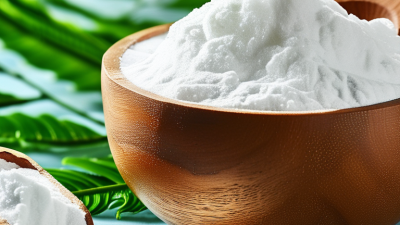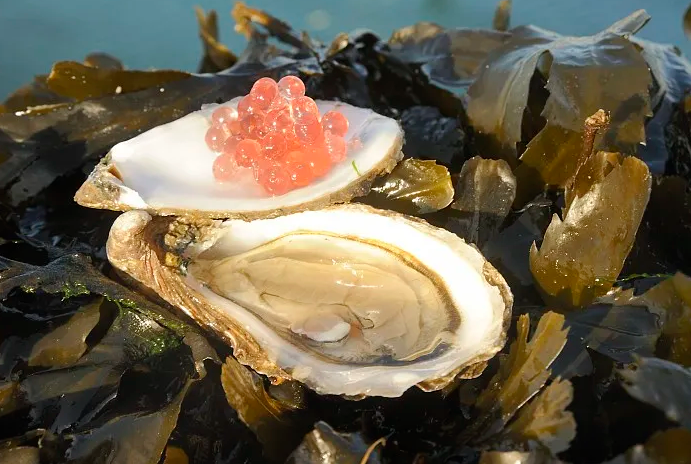
Picking the right Sodium Alginate Powder really comes down to understanding what you actually need it for — not just hunting for the cheapest option. Whether you're making food products, working on pharmaceuticals, cosmetics, or lab experiments, you'll find that different grades and performance features are required. For instance, a powder that creates a really firm gel might be perfect for certain structured foods but totally useless if you're looking for something smooth in a lotion.
Professor Øyvind Skjåk-Bræk, a well-known researcher in the field of alginate, once described it as literally "a versatile biomaterial." And honestly, that versatility can sometimes be a bit confusing. So, it's super important to check things like viscosity, levels of guluronic and mannuronic acids, particle size, moisture content, pH, and how easily it dissolves. All of these little details can really affect how quickly the powder hydrates, how strong the gel turns out, its texture, and consistency across different batches. Always ask for a current certificate of analysis — don’t just go on product names. Make sure microbial limits and heavy-metal test results are included. Trust me, relying solely on the product’s label isn’t enough.
Details matter a lot here. A fine powder might seem like a good choice because it disperses easily, but if you add it too quickly or if the water's too cold, or you don’t mix well enough, you could end up with stubborn lumps. And yes, even small things like pouring speed or using too much can totally change the final texture. I’ve seen specs that look perfect on paper but then perform pretty differently during actual pilot tests — so pay attention to that gap. Honestly, no product is perfect either.
A reliable supplier should be upfront about where their raw materials come from, how they process their products, packaging standards, and traceability details. They should also give you solid tech support tailored for your specific application. It’s a good idea to test a representative sample under real production conditions before going all-in on a large order. And don’t just compare one successful batch — check multiple batches for consistency. That practical approach makes choosing the right Sodium Alginate Powder way more trustworthy, ensures better quality control, and keeps things aligned with your expectations.
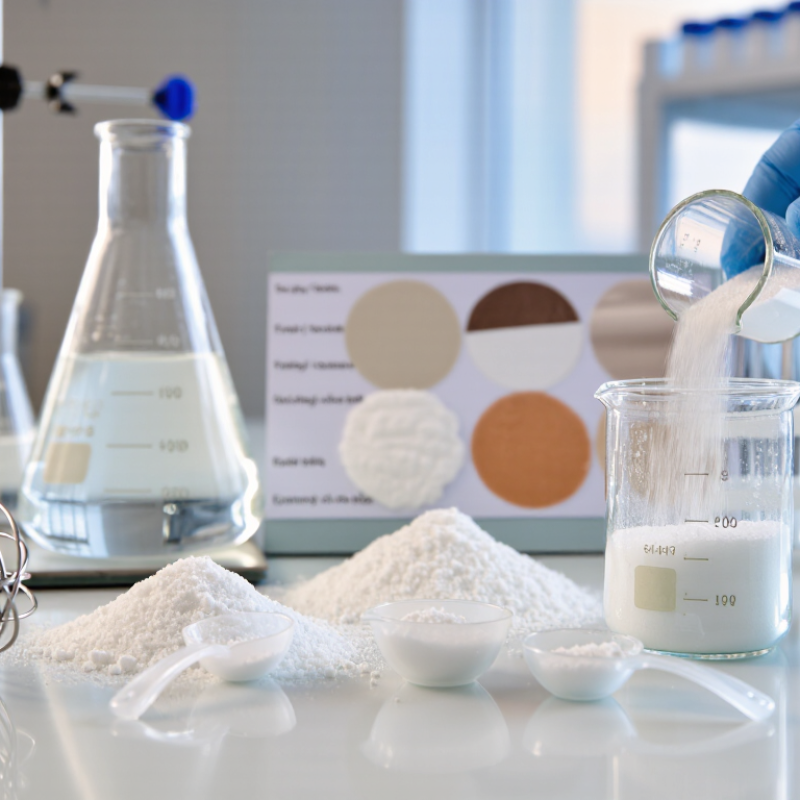
Sodium Alginate powder is a natural polysaccharide extracted from brown seaweed. It is commonly used as a thickener, stabilizer, and texture-forming ingredient. When mixed with water, its long chains hydrate and increase viscosity. The mixture may look smooth, yet undissolved lumps can hide inside. Slow sprinkling helps.
Its most distinctive behavior appears with calcium ions. Calcium links alginate chains, creating a soft gel rather than a simple thick liquid. This reaction explains its use in molded foods, laboratory work, and selected technical applications. A thin solution can form a delicate outer skin, while a stronger concentration creates a firmer structure. Temperature, pH, mixing speed, and calcium levels all influence the result. Small changes matter.
Choose a powder by intended texture, viscosity, purity, and regulatory suitability. For a pourable sauce, a lower-viscosity grade may disperse more easily. For a stable gel, higher viscosity or controlled calcium exposure may be more suitable. Check particle size, moisture content, storage conditions, and the certificate of analysis. A sealed, dry container matters because humidity can cause clumping before use. During testing, measure a fixed quantity with a scale and record hydration time. I would not trust appearance alone; a pale powder can still perform inconsistently. A small trial often reveals more than a specification sheet.
Sodium alginate is a water-soluble polysaccharide extracted from brown seaweed. Its main selection factor is solution viscosity, which depends on molecular weight, concentration, temperature, mixing, and measurement method. Lower-viscosity grades are easier to disperse and pump, while higher-viscosity grades provide stronger thickening, suspension, and film-forming performance.
The chart shows typical viscosity bands for a 1% aqueous sodium alginate solution measured at approximately 20°C. Actual specifications may vary, so confirm the supplier’s test method and viscosity range before purchasing.
Choosing sodium alginate powder starts with function, not price.
Viscosity is often the first property to compare. A 1% solution can range from thin and pourable to highly elastic, depending on molecular weight and grade. Check the test temperature, spindle, and shear rate. Without these details, viscosity numbers are hard to compare.
The G/M ratio also matters. Higher guluronic acid content usually supports stronger calcium-set gels, while mannuronic-rich alginate often provides softer, more flexible textures. Particle size affects hydration speed. Fine powder disperses quickly, but it can form stubborn fish-eyes when added too fast. Add it slowly into strong agitation. Hydration time should be tested in the real formula, not only in clean water.
Purity and stability need equal attention. The FAO/WHO JECFA specification for sodium alginate includes limits such as loss on drying of not more than 15% and acid-insoluble matter of not more than 2%. These figures provide a useful screening baseline, but they do not replace batch testing. Review microbial limits, heavy-metal results, moisture, ash, and traceability documents. Also ask whether the powder is suitable for food, pharmaceutical, cosmetic, or technical use.
Do not ignore calcium sensitivity. Even small calcium exposure can change viscosity or create premature gel particles. Alginate Oligosaccharide is a different material, not simply a lower-viscosity sodium alginate. A practical mistake is selecting by label alone. I would test three grades in the finished process, then compare flow, gel strength, storage stability, and sensory changes. Datasheets help. They are not the whole answer.
How to Choose Sodium Alginate Powder for Your Needs?
Choosing sodium alginate powder starts with the intended application, not the lowest price. A food formulation may need clean flavor, reliable hydration, and consistent viscosity. Cosmetic gels often require a smoother texture and controlled thickening. For edible films or molded products, gel strength and elasticity matter more. Match the grade to the final texture.
Check the viscosity range, particle size, moisture, purity, and microbiological specifications. These details affect mixing speed and batch consistency. Alginate with a higher guluronic acid content often forms firmer calcium gels. A higher mannuronic acid content may provide softer, more flexible structures. Test it in your actual formula. Water quality, pH, temperature, and calcium ions can change the result. Small differences become visible in a mixing tank.
Do not confuse sodium alginate with Sodium Caseinate Powder. They perform differently and should not replace each other without trials. Request a current certificate of analysis and confirm traceability before purchasing. I have found that a powder dispersing well in water may still produce an unsuitable finished texture. That is easy to miss. Run a small pilot test, record hydration time, and measure viscosity after standing. If the grade seems almost right, review the target again; “almost” can create costly rework. Keep samples from successful batches for comparison. Supplier technical support is useful, but your own application data should guide the final choice.
| Intended Application | Recommended Alginate Profile | Typical Viscosity Range1 | Gel Behavior | Key Selection Factors | Typical Use Level |
|---|---|---|---|---|---|
| Thickening beverages and liquid foods | Low- to medium-viscosity sodium alginate with good hydration and low insoluble matter | Approximately 100–500 mPa·s | Usually remains fluid when calcium is limited; may form a gel in the presence of calcium ions | Fast dispersion, neutral flavor, clear or low-haze appearance, controlled calcium reactivity | About 0.1–1.0% |
| Food sauces, dressings, and gravies | Medium-viscosity grade with strong shear-thinning behavior | Approximately 300–800 mPa·s | Provides body and suspension without necessarily producing a firm gel | Pourability, suspension stability, salt and acid tolerance, low syneresis | About 0.2–1.0% |
| Reformed foods and cold-set gels | Medium- to high-viscosity grade with predictable calcium-induced gelation | Approximately 500–1,000 mPa·s | Forms an elastic, thermally irreversible gel when cross-linked with calcium ions | Gel strength, elasticity, setting time, calcium concentration, and moisture retention | About 0.5–2.0% |
| Edible films and coatings | Medium- to high-molecular-weight grade with good film-forming ability | Approximately 500–1,500 mPa·s | Produces flexible films; calcium treatment can improve water resistance and mechanical strength | Film uniformity, tensile strength, elongation, drying behavior, and compatibility with plasticizers | About 1–4% in the coating solution |
| Textile printing pastes | Medium-viscosity grade with clean breakdown during washing | Approximately 300–800 mPa·s | Creates a temporary printing paste that helps control dye migration and edge definition | Print sharpness, shear response, ease of removal, electrolyte tolerance, and fabric compatibility | About 1–5% in the printing paste |
| Pharmaceutical and nutraceutical formulations | Purified, specification-controlled grade with documented microbiological and heavy-metal limits | Selected according to dosage-form requirements | Can act as a thickener, suspending agent, matrix former, or calcium-cross-linked gel former | Pharmacopeial compliance, purity, particle size, hydration rate, pH stability, and batch consistency | Formulation-specific; commonly about 0.5–5.0% |
| Dental impression and modeling materials | Dental-grade alginate system with controlled setting characteristics and compatible calcium salts | Defined by the complete powder formulation, not sodium alginate alone | Rapid irreversible gel formation after mixing with water and reactive calcium salts | Working time, setting time, elastic recovery, tear strength, dimensional stability, and regulatory requirements | System-specific; follow the validated formulation |
| Cosmetic gels and personal-care products | Low- to medium-viscosity cosmetic grade with smooth texture and good compatibility | Approximately 100–800 mPa·s | Can provide a smooth gel or viscosity increase; calcium can create a firmer network | Skin feel, clarity, electrolyte tolerance, pH range, hydration, and compatibility with preservatives | About 0.2–2.0% |
| Laboratory immobilization and encapsulation | Purified medium-viscosity grade with reproducible calcium-cross-linking performance | Approximately 200–1,000 mPa·s | Forms porous calcium alginate beads, capsules, or hydrogels under controlled conditions | Purity, gel porosity, bead size, diffusion rate, calcium concentration, and biocompatibility requirements | About 1–4% in the alginate solution |
| Water treatment and industrial binders | Technical grade selected for viscosity, binding performance, and process economics | Approximately 300–2,000 mPa·s | Can thicken solutions or form calcium-cross-linked matrices for immobilization | Cost, solids content, viscosity retention, ionic strength, pH, and required mechanical strength | Process-specific; commonly about 0.5–3.0% |
Selection Notes
1 Viscosity ranges are indicative and can vary substantially with test concentration, temperature, spindle or shear rate, measurement method, pH, ionic strength, and supplier specification. Always compare grades using the same test method.
Sodium alginate viscosity generally increases with concentration and molecular weight. Calcium ions can rapidly cross-link alginate, so calcium content, pH, mixing order, and processing time should be evaluated before final grade selection.
Purity should be checked before viscosity. The FAO/WHO JECFA Compendium specifies sodium alginate with no more than 15% loss on drying. It also sets water-insoluble matter at no more than 2%. These figures help screen moisture-heavy or poorly dissolved material. Request identity testing, ash, heavy metals, microbiological results, and production-lot traceability. A certificate without test methods is incomplete.
Viscosity must match your process, not just a supplier’s grade name. Compare results from the same concentration, temperature, spindle, and rotation speed. A 1% solution tested at 20°C is common, but laboratories may use different conditions. That difference can make two powders appear falsely similar. Ask for Brookfield or equivalent data, then test a small batch in your actual mixer. Test it cold. Processing shear can permanently change your judgement.
Gel strength depends on calcium level, pH, temperature, setting time, and the alginate’s M/G ratio. The Food Chemicals Codex and JECFA provide quality frameworks, but neither replaces an application-specific gel test. Prepare a fixed formula with calcium chloride or calcium lactate, then measure firmness after a defined setting period. A neat specification can still mislead. Even this approach is imperfect, because water hardness and storage humidity may alter performance. Use an independent ISO/IEC 17025 laboratory when results affect safety or major purchasing decisions.
Choosing sodium alginate powder starts with solubility, not simply viscosity grade. Ask whether the powder disperses evenly in cold water or needs gentle warming. Fine particles hydrate quickly, but they can form stubborn fish-eyes. Add the powder slowly while mixing. Avoid dumping it into still water. Check the supplier’s specification for viscosity, moisture, particle size, and ash content. These details affect texture and batch consistency. My first trial used excessive shear, and the solution trapped air. I had to revise the mixing method.
Processing conditions also matter. Calcium ions can trigger unwanted gel formation, even in small amounts. Hard water may therefore change the final texture. Measure water quality when results vary between batches. A pH check is useful, especially for sensitive formulations. High-speed mixing can improve dispersion, but it may create foam. Let the solution rest before evaluation. If your application includes Sodium Copper Chlorophyll Powder, test compatibility separately. It is a different ingredient and should not replace alginate.
Tips: Make a 1% trial solution first. Test it cold. Record mixing speed, hydration time, and pH. Compare the liquid after thirty minutes and again the next day. Look for sediment, lumps, color changes, or unexpected thinning. Small trials matter. Also, confirm whether the powder meets your food, cosmetic, or technical requirements. A reliable certificate of analysis supports better purchasing decisions, though it does not replace your own compatibility testing.
Choosing sodium alginate powder requires more than comparing prices. Supplier quality can affect viscosity, gel strength, color, and batch consistency. Request a current specification sheet, certificate of analysis, allergen statement, and lot traceability records. Check whether testing covers viscosity, moisture, pH, purity, and particle size. A reliable supplier should explain its sampling method and answer technical questions clearly.
Ask for a representative sample before placing a large order. Test it under your actual process conditions, including mixing speed, water temperature, and hydration time. I have found that a powder performing well in a small beaker may behave differently in production. That difference matters. Review production capacity, lead times, minimum order quantities, and replacement procedures for damaged goods. Supplier communication is easy to overlook.
Packaging should protect the powder from moisture, heat, light, and contamination. Look for sealed bags with strong moisture barriers, suitable liners, and readable labels showing the lot number and expiry information. Inspect cartons for crushed corners or broken seals during delivery. Store unopened containers in a cool, dry, clean area, away from direct sunlight and strong odors. Keep them off the floor on pallets. After opening, reseal the inner liner tightly and use clean, dry tools. Record opening dates and apply a practical first-in, first-out system. Humidity is often the hidden problem.
Demand for botanical extracts is being supported by expanding interest in natural colorants, functional ingredients, dietary supplements, and clean-label formulations. Grand View Research and Future Market Insights reports both identify steady growth in the broader botanical-extract sector, with market expansion generally projected at mid- to high-single-digit annual rates as manufacturers seek traceable, standardized plant ingredients. Within this trend, calendula is valued for its naturally occurring lutein and its versatility in nutraceutical, food, cosmetic, and wellness applications.
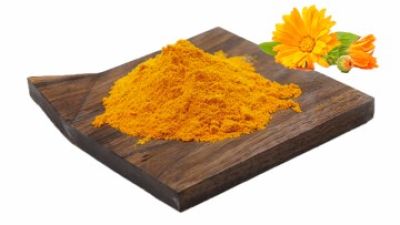
Calendula Officinalis Extract, also known as Marigold Extract, is supplied as a 10:1 orange fine powder, providing a concentrated botanical profile for formulation development. Lutein content can be evaluated using HPLC to support quality control and batch consistency. The product is packed in 25 kg drums and should be stored in a cool, dry place away from light to help preserve its characteristics. Available documentation may include cGMP, ISO 22000, ISO 9001, EU and NOP Organic, Kosher, BRC, Halal, and HACCP certifications. Standard payment options include T/T, VISA, XTransfer, and Alipay, while shipping can be arranged within 3–5 days, subject to order confirmation and logistics conditions.
Start with viscosity and intended function, not price. A 1% solution may pour easily or feel highly elastic. Check test temperature, spindle, and shear rate. Otherwise, viscosity values can mislead.
Higher guluronic acid content usually forms stronger gels with calcium. Mannuronic-rich powder often creates softer, more flexible textures. Test the finished formula. Texture can change unexpectedly.
Fine powder usually hydrates faster. However, it may form stubborn fish-eyes when added too quickly. Add the powder slowly under strong agitation. Do not dump it into still water.
Prepare a 1% trial solution. Test it in cold water first. Record mixing speed and hydration time. Check the liquid after thirty minutes and again the next day.
Yes. Calcium in hard water can increase viscosity or cause early gel particles. Measure water quality when batches behave differently. A small calcium change matters.
Request moisture, ash, microbial, heavy-metal, and traceability information. Review the certificate of analysis for every batch. Screening limits help. They do not replace your own testing.
High-speed mixing may improve dispersion but also trap air and create foam. Let the solution rest before evaluation. Check pH when the formula is sensitive. My initial trial used excessive shear.
Test three grades in the finished process. Compare flow, gel strength, storage stability, and sensory changes. Inspect lumps, sediment, color changes, and thinning. Datasheets guide decisions, but they are not the whole answer.
Choosing the right Sodium Alginate Powder begins with understanding how it works. Derived from brown seaweed, sodium alginate dissolves in water to create solutions with thickening, stabilizing, and film-forming properties. When exposed to calcium ions, it can form a gel, making it useful in food, pharmaceutical, cosmetic, textile, and industrial applications. Selection should focus on viscosity, gel strength, purity, molecular characteristics, color, and moisture content, as these properties directly affect performance and consistency.
The ideal alginate grade depends on the intended use. Buyers should assess whether they need rapid hydration, strong gel formation, smooth texture, high transparency, or controlled flow behavior. Solubility, mixing temperature, processing time, and compatibility with other ingredients should also be checked before purchase. In addition, reliable suppliers should provide clear specifications, quality documentation, suitable packaging, and practical storage guidance. Keeping the powder sealed, dry, and protected from heat and humidity helps preserve its quality throughout its shelf life.