Leave Your Message

Reasons for contact:

Where are you in your project?

Product Type(s) of Interest

0%

Picking the right Lactoferrin Powder supplier isn’t just about comparing prices or flipping through glossy brochures. I mean, product quality really starts from the source — like where the milk comes from, how it’s processed, and whether there’s proper traceability in place. A trustworthy supplier should be upfront about whether their powder is sourced from cows, exactly how they purify it, and how each batch gets tested.

Dr. Haruki Tamura, a well-respected researcher in the field of Lactoferrin, once said, “Lactoferrin is a multifunctional protein.” That’s a pretty important point to keep in mind when you're evaluating supplier claims. Reliable partners usually provide detailed specs—things like purity levels, iron content, moisture, microbial standards, allergens, and heavy metals. And seeing independent lab reports or a solid Certificate of Analysis can really boost your confidence.

But don’t just focus on the product samples. It’s super helpful to ask about production capacity, how consistent each batch is, packaging conditions, shelf life, and storage needs. If you can, visit their facility or ask for a documented quality audit—that way, you get a better sense of how things are actually managed. Certifications like ISO 9001, HACCP, GMP, or third-party testing are good signs, but don’t rely on them alone—sometimes gaps can still hide underneath.

For instance, one supplier might offer attractive prices but struggle with stable raw material sourcing. Another might provide super detailed technical documents but has slow responses whenever a shipment needs changes. These little details really matter because they affect real production schedules. A dependable Lactoferrin Powder supplier communicates openly, keeps records of any corrective actions, and supports regulatory checks without making exaggerated health claims.

Honestly, there’s no such thing as a perfect supplier. The best choice usually hits a sweet spot between verified quality, clear communication, reliable production, and good service. This guide is here to help you carefully weigh those factors before locking in a long-term partnership.
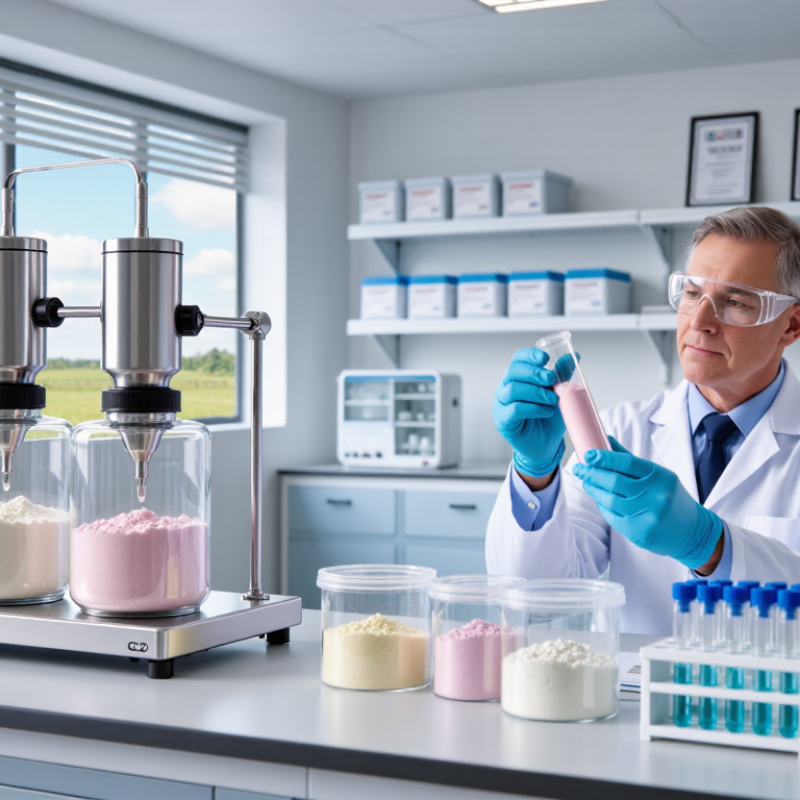
How to Choose the Best Lactoferrin Powder Supplier?

Understanding Lactoferrin Powder and Its Common Applications

Lactoferrin is a naturally occurring glycoprotein found in milk and other biological fluids. It binds iron, which helps explain its interest in nutrition and laboratory research. Bovine Lactoferrin is commonly selected because it is widely available and suitable for many product formulations. However, its function depends on processing, purity, dosage, and storage conditions.

Common applications include dietary supplements, functional foods, infant nutrition products, cosmetics, and research media. In a powder, appearance and handling also matter. A fine, pale powder should disperse consistently without strong odors or visible clumps. It may be blended into capsules, sachets, beverages, or powdered formulas. These uses require different solubility, microbiological, and packaging specifications.

A reliable supplier should provide batch-level identity testing, purity data, microbiological results, allergen information, and traceability records. Ask how the material is processed and stored. Moisture exposure can affect powder flow and stability. A certificate alone is not enough. It should match an independently verifiable batch.

No specification is perfect. A low moisture result does not prove strong performance in every formulation. Real application trials remain necessary. Supplier communication also reveals practical quality. Clear answers about origin, testing methods, lead times, and corrective actions are valuable. Careful buyers should compare evidence, not polished claims.

Defining Your Quality, Purity, and Formulation Requirements

Choosing a Lactoferrin powder supplier begins with a precise product brief, not a sales catalogue. Define the required protein content, source, processing method, color, odor, particle size, and solubility. A beverage powder may need fast dispersion, while capsules may prioritize flowability and bulk density. Write acceptable ranges before contacting suppliers. Small details matter. Record the target serving size and storage temperature. If the powder must remain stable in an acidic drink, request compatibility data under similar conditions.

Quality review should connect documents with physical evidence. Ask for recent certificates of analysis, batch-specific test results, allergen statements, heavy-metal data, microbiological limits, and identity testing. Verify whether testing is performed internally or by an independent laboratory. The method matters as much as the number. For example, protein purity should use a validated method, not a vague “high purity” claim. Inspect packaging details too, including sealed liners, lot codes, moisture barriers, and transport conditions. A clean sample can still fail after poor shipment.

Formulation discussions reveal a supplier’s technical depth. Request pilot quantities and test the powder in your actual recipe, using your mixer, water temperature, and target pH. Check sediment, foam, taste, and stability after storage. Ask how specifications change between batches. Reliable suppliers explain limitations instead of promising perfection. Do not guess. A first trial may look promising, yet the final formula can still disappoint. Keep written approval criteria, change-control expectations, and traceability records. Trust grows when answers remain consistent across sales, quality, and technical teams.

Checking Supplier Certifications, Testing, and Quality Controls

Choosing the best lactoferrin powder supplier requires more than comparing prices. Certifications provide a useful starting point, but they should match the supplier’s actual operations. Look for current GMP, HACCP, or ISO-based food safety certifications. Check the certificate scope, issuing body, site address, and expiration date. A document with missing details deserves questions.

Testing should cover identity, purity, microbial limits, heavy metals, allergens, moisture, and contaminants relevant to the raw material. Ask for a batch-specific certificate of analysis, not a generic template. The report should show test methods, specifications, actual results, and laboratory approval. Independent laboratory testing adds confidence. Verify whether the laboratory holds suitable accreditation and whether samples are tested regularly.

Quality control should remain visible from farm or collection source to sealed powder packaging. Ask about supplier approval, temperature control, cleaning records, traceability, and retained samples. Request a sample from a recent production batch. Compare its color, odor, solubility, and laboratory results with the specification. Small differences can matter.

A polished certificate is not enough. A common mistake is trusting paperwork without checking consistency across batches. Some suppliers may provide excellent samples but weak follow-up controls. That gap is easy to miss. Clear answers, complete records, and realistic lead times usually reveal more than sales language. Keep written evaluation notes, even when the supplier seems reliable.

Evaluating Sourcing, Production, and Manufacturing Capabilities

How to Choose the Best Lactoferrin Powder Supplier?

Evaluating Sourcing, Production, and Manufacturing Capabilities

A reliable supplier should explain where its lactoferrin comes from and how each batch is traced. Ask about the raw material source, collection controls, transport conditions, and supplier approval process. Traceability should reach the production lot, not stop at a general certificate. Request recent certificates of analysis and verify testing for protein content, moisture, microbiological limits, heavy metals, and allergens. Independent laboratory results can strengthen confidence.

Production capability matters beyond factory size. Review the separation, filtration, concentration, and drying methods used for the powder. Gentle processing may help protect protein functionality, but suppliers should support this claim with validated data. Check whether critical parameters are monitored and whether batch records are complete. A practical audit should include equipment cleaning, environmental controls, calibration, and employee training.

Manufacturing capacity must match your expected demand without weakening consistency. Discuss pilot batches, scale-up procedures, packaging protection, storage conditions, and stability studies. Change-control records are important when equipment, materials, or processes change. A polished facility tour can still hide weak documentation. That is worth remembering. Samples may also look excellent while later lots vary. Compare multiple batches, not one convenient sample. Clear communication about delays, deviations, and rejected lots often reveals more reliability than a sales presentation.

Comparing Product Specifications, Pricing, and Minimum Orders

How to Choose the Best Lactoferrin Powder Supplier?

A reliable supplier should provide more than a polished product page. In procurement reviews, I compare lactoferrin purity, protein content, moisture, solubility, and microbiological limits. Ask for a recent certificate of analysis, not a recycled template. Check whether each result matches the stated batch number. Do not guess. Packaging also matters. A sealed, light-resistant bag can protect powder during storage and transport. If your facility handles L-Carnitine Powder too, keep specifications and testing records clearly separated.

Price requires careful reading. A low quote may exclude testing, custom packaging, shipping, or documentation. Request a complete price breakdown per kilogram. Compare the delivered cost, not only the factory price. Review payment terms and lead times as well. A slightly higher price may be reasonable when it includes stronger quality control and stable supply. Still, do not assume expensive means better. I have made that mistake before.

Tips: Request a sample before placing a large order. Test its color, dispersibility, odor, and performance in your own formula. Ask whether the sample matches future production batches. Confirm the minimum order quantity for samples, pilot production, and regular orders. A flexible supplier may offer a small trial quantity, while larger orders may reduce unit pricing. Check production capacity before accepting a low MOQ. Low volume can sometimes mean irregular availability. Keep written records of every specification, quotation, and revision. Small details become expensive later.

Reviewing Supplier Reliability, Documentation, and Customer Support

Choosing the best lactoferrin powder supplier requires more than comparing prices. Reliability appears in small, repeatable actions. Ask whether the supplier maintains consistent batch quality, realistic lead times, and secure storage conditions. A dependable team should explain temperature control, packaging integrity, and shipment monitoring without hesitation.

Documentation reveals professional discipline. Request a current specification sheet, certificate of analysis, allergen statement, country-of-origin details, and microbiological test results. Heavy metal and identity testing should match the product’s intended use. Check whether each document carries a batch number, test date, method, and authorized signature. A polished PDF is not proof by itself. Documents must connect clearly to the physical lot.

Customer support matters when something changes. Test the supplier with practical questions before placing a large order. Notice response speed, technical accuracy, and willingness to provide samples. Strong support includes clear complaint procedures, investigation records, and corrective actions. Ask how they handle damaged cartons or unexpected test results. Silence is informative. So is vague language.

One detail deserves reflection: a supplier may offer excellent lactoferrin records but weak control across its wider catalog, including Pure L-Carnitine Powder. This does not automatically disqualify the supplier, but it deserves investigation. Review quality systems by product category, not by attractive presentation. Good purchasing decisions come from evidence, careful questions, and documented follow-up.

FAQS

What should be defined before contacting a powder supplier?

Specify protein content, source, processing method, color, odor, particle size, and solubility. Record serving size and storage temperature. Small details matter.

How can product specifications match the intended application?

Beverage powders may need rapid dispersion and acidic-drink stability. Capsules may require good flowability and suitable bulk density. Define acceptable ranges in writing.

Which documents should a supplier provide?

Request a current specification sheet, batch-specific certificate of analysis, allergen statement, and origin details. Also request microbiological, heavy-metal, and identity-testing results. A polished PDF proves little.

How should testing documents be checked?

Confirm the batch number, test date, method, and authorized signature. Ask whether testing uses an internal or independent laboratory. The method matters.

What physical packaging details deserve attention?

Inspect sealed liners, lot codes, moisture barriers, and transport conditions. Ask how temperature and storage conditions are monitored. A clean sample can still fail after poor shipment.

How can the powder be tested in a real formulation?

Request pilot quantities and use your actual mixer, water temperature, and target pH. Check sediment, foam, taste, and stability during storage. Do not guess.

What indicates reliable supplier support?

Look for consistent batches, realistic lead times, secure storage, and clear shipment monitoring. Test response speed with practical technical questions before ordering heavily. Silence is informative.

How should complaints or unexpected test results be handled?

Ask for written complaint procedures, investigation records, corrective actions, and traceability documents. Confirm how damaged cartons and failed results are managed. Vague answers deserve caution.

Should a supplier’s wider product range affect the decision?

Yes, but not automatically. Review quality controls by product category, rather than trusting attractive presentations. Strong records for one powder may not prove broader consistency.

What approval controls should be documented before purchasing?

Record acceptance criteria, change-control expectations, batch traceability, and formulation test results. A promising trial may still disappoint later. That possibility deserves reflection.

Conclusion

Choosing the best Lactoferrin Powder supplier begins with understanding how the ingredient will be used, such as in dietary supplements, functional foods, or specialized formulations. Define your requirements for purity, potency, solubility, particle size, packaging, and other technical characteristics before contacting suppliers. These details help ensure that the selected material fits your product design and quality objectives.

A reliable evaluation should include a review of certifications, batch testing, quality-control procedures, traceability, and manufacturing standards. Consider how the supplier sources raw materials, manages production capacity, and maintains consistency between batches. It is also important to compare specifications, pricing, minimum order quantities, lead times, and payment terms. Clear documentation, responsive communication, sample availability, technical assistance, and dependable after-sales support can further reduce purchasing risks and support long-term cooperation. A supplier that combines transparent information, consistent quality, flexible service, and dependable delivery is more likely to meet both current and future formulation needs.


Ethan

Ethan

Ethan is a dedicated marketing professional at Shaanxi Yuantai Biological Technology Co., Ltd., where he plays a pivotal role in promoting the company's extensive range of products. With a deep understanding of plant extracts, nutritional supplement raw materials, cosmetic raw materials, organic......
Previous 10 Best Sodium L-Aspartate Suppliers for Global Buyers
Next China Top 10 Pure Bovine Collagen Manufacturers?