Leave Your Message

Reasons for contact:

Where are you in your project?

Product Type(s) of Interest

0%

Choosing the right Bovine Collagen Powder isn’t just about size up against price, flavor, or protein content. It’s really about digging a bit deeper—starting with the quality of the raw ingredients. Look for products that clearly specify where the bovine sources come from, and make sure they use controlled processing methods and share transparent info about how it’s made. Hydrolyzed collagen peptides tend to mix better in coffee, smoothies, or water, but keep in mind that the texture can still vary from batch to batch.

Always take time to read the label carefully. It should tell you how much collagen you’re getting per serving—not just the total weight of the powder. You might see mentions of Type I and Type III collagen—just check that the labels clarify where those types come from and how they’re processed. It’s also a good idea to look for independent testing results—current certificates of analysis, heavy metal testing, microbiological safety, and clear allergen info. Products made following recognized quality standards are worth considering too.

And hey, don’t fall for the hype. Any product promising miraculous results just based on slick marketing isn’t worth your trust.

Remember, you can't judge a product solely by its marketing language. In real life, factors like a neutral flavor, low odor, how easily it mixes, and consistent packaging tend to matter way more than flashy claims. Storage conditions matter too—especially if your kitchen tends to be humid. Keep it sealed, use a dry scoop, and store it properly to keep quality intact.

Ultimately, the 'best' choice really depends on what you need, your dietary preferences, how much you're willing to spend, and what your body tolerates. Some folks prefer unflavored powder; others like single-serve packets for convenience. Honestly, convenience can easily be underrated—sometimes that’s what makes sticking with it easier. But keep in mind, personal experience isn’t the same as scientific proof. It can be a helpful clue but shouldn’t be your only guide. This little guide is designed to help you compare bovine collagen powders thoughtfully, with a clear head and a bit of skepticism when needed.
How to Choose the Best Bovine Collagen Powder?

Define Your Goals for Using Bovine Collagen Powder

Choosing bovine collagen powder starts with a clear purpose. Are you hoping to support skin appearance, add protein to a smoothie, or explore options for joint comfort? These goals are not interchangeable, and research does not guarantee a particular result. Collagen powder is also not a complete protein, so it should not replace varied protein sources in your diet. Be specific, but keep expectations realistic.

Tips: Write down one goal before shopping. Compare the serving size, collagen amount, added ingredients, and allergen information on each label. Look for clear quality-testing details, and ask the manufacturer or a qualified health professional if anything is unclear. Collagen Powder Bovine is a search phrase, not proof that a product suits your needs.

Give yourself a simple way to assess whether the choice fits. For example, note how easily a scoop mixes into your morning oatmeal and whether its cost works for your routine. If your goal involves a health concern, or you are pregnant, nursing, or maNAGing a medical condition, seek advice from a qualified clinician. Results may be subtle, and your original goal may need adjusting. That is worth acknowledging.

Check the Collagen Source, Type, and Processing Methods

How to Choose the Best Bovine Collagen Powder?

Check where the collagen comes from. Bovine collagen is commonly made from cattle hides or bones, and the label may identify the source. Look for clear sourcing information, including the country of origin and details about traceability. Collagen types I and III are commonly associated with bovine products; a transparent label should state which types are present. “Grass-fed” may describe how cattle were raised, but the claim is most useful when the company explains how it is verified. Labels can be vague. Compare the details, not just the front-of-package wording.

Processing also matters. Hydrolysis breaks collagen into smaller peptides, which generally mix more easily into drinks than gelatin. Check whether the powder dissolves in cold water or leaves clumps; that practical detail can affect daily use. Processing claims alone do not prove superior quality, and there is no single method that guarantees a better product. Look for accessible testing information for identity, microbial quality, and contaminants, ideally from an independent laboratory. A certificate of analysis can provide useful specifics, though not every label makes one easy to find. There is no perfect label. If sourcing or testing details remain unclear, that uncertainty is worth weighing before purchase.

Compare Purity, Ingredients, and Potential Allergens

Choosing Collagen Bovine Powder starts with checking what is actually in the tub. Look for a clearly named bovine source and a short ingredient list. If the label lists collagen peptides alone, that is easier to assess than a blend with flavors, sweeteners, or fillers. Simple is useful. It is not proof of purity, though.

Check whether the maker provides batch-specific testing for identity, heavy metals, and microbial quality. A certificate of analysis is more useful when it identifies the tested batch and the laboratory. Vague claims such as “premium” do not tell you much. I would compare the report with the product label, even if the paperwork feels tedious. Testing methods and limits can vary, so one document cannot answer every question.

Read allergen statements and manufacturing notes, especially if you react to particular foods. Bovine collagen comes from cattle, but cross-contact can happen in shared facilities. Added ingredients may also introduce allergens or dietary concerns. If you have a diagnosed allergy or a strict dietary requirement, ask the manufacturer for specific details rather than guessing from the front label. And remember: a clean-looking label is only one part of the decision.

Evaluate Product Testing, Certifications, and Manufacturer Quality

When comparing bovine collagen powders, look beyond the front label. Ask whether each batch is tested by an independent laboratory, and check that the results identify the product or lot number. A useful certificate of analysis reports collagen content and screens for relevant contaminants, such as heavy metals and microbes. It should be recent and traceable. A vague claim like “lab tested” gives little detail.

Certifications can support quality checks, but they are not all equivalent. Good manufacturing practice certification concerns production controls; it does not prove that a powder works better. Check who issued a certification and what it actually covers. Manufacturer transparency matters too. Look for clear information about bovine sourcing, facility standards, and how the company handles testing failures. A responsive manufacturer should be able to explain these points without making medical promises. Notice the small details: a sealed pouch, a readable lot code, and a consistent ingredient list. They do not guarantee quality, but missing details raise fair questions. No label tells the whole story. Even a tidy document can leave gaps, so compare the claims with the actual test scope before choosing.

Choose the Right Dosage, Format, and Flavor

Choosing Pure Bovine Collagen Powder starts with checking the serving size, not chasing the largest scoop. Compare the grams of collagen per serving and follow the product’s directions. A larger amount is not automatically better. Needs can vary, so ask a qualified health professional if you have a medical condition or specific dietary concerns. Look for clear ingredient and quality-testing information, too.

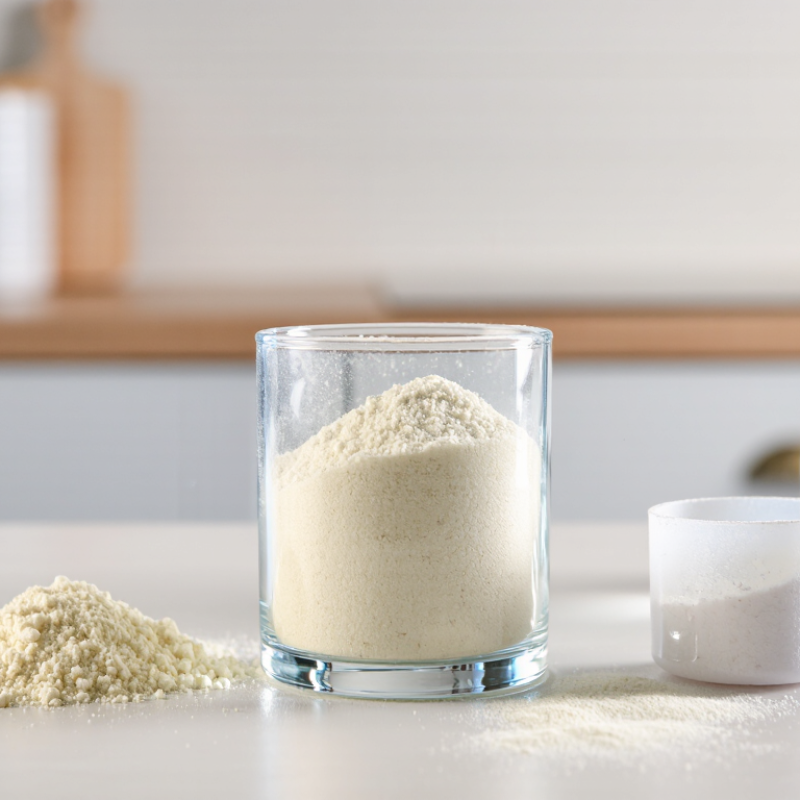
Format affects whether the powder fits your routine. A tub with a scoop may suit daily use at home; single-serve packets are easier to carry. Check whether the powder is hydrolyzed and how the maker recommends mixing it. Stir a small amount into warm coffee, oatmeal, or a smoothie, then see how it dissolves. Clumps happen. That part can be annoying.

Flavor is personal, and “unflavored” may still have a faint, savory note. Try a small serving in plain water before committing to a large container. If you prefer a flavored option, check the label for added sweeteners and other ingredients. I once expected an unflavored powder to disappear in tea; it didn’t, and the aftertaste changed my mind. Your own test matters.

How to Choose Bovine Collagen Powder

Illustrative daily amounts used in human collagen-peptide studies

Research uses varied doses, and there is no established recommended daily allowance for collagen. Check the serving size on the product label and ask a healthcare professional what is appropriate for you. Powder is easy to mix into drinks or foods; choose unflavored or flavored according to taste, since flavor does not determine the dose.

Compare Value, Packaging, Storage, and Buying Options

How to Choose the Best Bovine Collagen Powder?

Price alone can make a tub look like good value. Compare the cost per serving, then check how much collagen each serving provides. Hydrolyzed Bovine Collagen Powder may come in different serving sizes, so compare the actual amounts rather than the scoop size. Small details matter. Also review the ingredient list for added flavors, sweeteners, or other ingredients you may prefer to avoid.

Packaging affects everyday use. A sturdy, resealable pouch takes less cupboard space, while a wide-mouth tub can be easier to scoop from. Look for a clear serving guide and a lot number, plus a best-before date. If available, check whether the seller provides accessible quality or testing information. Not every attractive label tells you much; I still find that easy to overlook.

Store the powder tightly sealed in a cool, dry place, and use a dry scoop to reduce moisture exposure. Follow the package directions, especially after opening. Buying a smaller pack can make sense if you are trying it for the first time; larger packs may lower the cost per serving but need more storage space. Compare shipping costs, return terms, and the seller’s handling details before ordering. A low price is less useful if the package arrives damaged or close to its date.

Wholesale 10:1 Rosehip Extract Powder: Benefits, Applications, Quality Standards, and Sourcing Guide

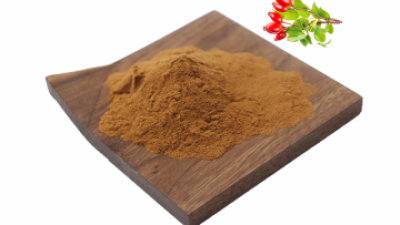
Wholesale 10:1 rosehip extract powder is a plant-derived ingredient for manufacturers seeking a concentrated rosehip option for product development. Its 10:1 designation describes the extract ratio, while its potential uses include dietary supplement formulations, functional food and beverage concepts, and personal-care products. Rosehip is commonly selected for its botanical profile and versatility; finished-product claims should be supported by appropriate evidence and comply with applicable requirements.

For quality assessment, confirm the botanical source, review the product specification and batch documentation, and use thin-layer chromatography (TLC) as an identification method. Request a sample to assess suitability for your formulation before placing a wholesale order. Discuss the required quality parameters and testing documentation with the supplier, since specifications can vary by application. The powder is available in 1 kg bags or 25 kg drums, with dispatch typically arranged within 1–3 days. Shipping options include express courier, air freight, and sea freight, depending on destination and order size. Payment may be arranged through bank transfer, card, or other available payment services.

FAQS

How should I choose a bovine collagen powder?

Start with one clear goal, such as adding protein to oatmeal or exploring joint comfort. Keep expectations realistic; results are not guaranteed.

Can collagen powder replace other protein sources?

No. Collagen powder is not a complete protein, so keep varied protein sources in your diet. That distinction is easy to miss.

How much collagen powder should I use?

Check the serving size and collagen amount on the label. Follow its directions; a larger scoop is not automatically better.

What should I check before buying?

Review ingredients, allergen information, and available quality-testing details. If anything is unclear, ask the seller or a qualified health professional.

How can I tell whether the powder mixes well?

Try a small amount in warm coffee, oatmeal, or a smoothie. Stir and check for clumps. They happen.

Does unflavored powder have no taste?

Not always. It may have a faint savory note or aftertaste. I expected it to disappear in tea, but it didn’t.

How can I compare the price of different powders?

Compare cost per serving and collagen amount per serving, not just container price or scoop size. Also check shipping costs and return terms.

How should I store an opened package?

Keep it tightly sealed in a cool, dry place, and use a dry scoop. Follow the package directions after opening. A damp scoop can cause trouble.

Conclusion

Choosing the best Bovine Collagen Powder starts with identifying your personal goals and considering how collagen may fit into your daily routine. Check the source, collagen type, and processing methods, then review the ingredient list for purity, unnecessary additives, and potential allergens. Clear labeling can help you understand what each serving contains and whether the product suits your dietary preferences.

Before buying, look for information about product testing, relevant quality certifications, and the manufacturer’s quality controls. Compare serving sizes, suggested dosage, powder format, and flavor to find an option that is convenient to use consistently. Finally, assess the overall value rather than price alone, and consider packaging, storage instructions, and where the product is available. A careful comparison of these factors can help you make an informed choice that aligns with your needs.
Ethan

Ethan

Ethan is a dedicated marketing professional at Shaanxi Yuantai Biological Technology Co., Ltd., where he plays a pivotal role in promoting the company's extensive range of products. With a deep understanding of plant extracts, nutritional supplement raw materials, cosmetic raw materials, organic......
Previous Who Is the Best Bovine Lactoferrin Supplier in China?