Deciding on the right Bovine Collagen Powder can sometimes feel a bit overwhelming, right? With so many brands and options out there, it’s totally normal to feel a bit lost. The key is to find a product that really matches what you're looking for. Sure, lots of companies claim they’ve got the best formula, but not everything on the shelf is actually equal. Doing a bit of research and knowing what to look for really helps make the decision easier.
When you’re picking out collagen, think about your health goals. Are you mainly after better skin? Or maybe you want to support your joints or recover muscles faster? Different products offer different perks, so understanding what each does can really point you in the right direction. Also, try to choose high-quality sources like Grass-Fed or Hydrolyzed Collagen—it tends to be easier for your body to absorb.
And a quick heads up—collagen powders aren’t one-size-fits-all. Some folks might have tummy issues or dietary restrictions, so it’s super important to read labels carefully. If you’re ever in doubt, chatting with a healthcare pro can be a smart move. Remember, everyone’s body reacts differently, and being flexible with your choice is totally fine. There’s no such thing as a perfect brand, so trust your instincts and find what works best for you.
Understanding Bovine Collagen: Sources and Types Available
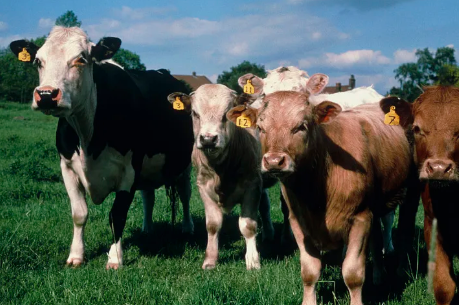
Bovine collagen is derived from cows and is popular for its rich amino acid profile. It is often used to support skin, joint, and gut health. There are different types of bovine collagen available, mainly collagen type I and type III. Type I is the most abundant in the body, providing structure to skin, bones, and connective tissues. Type III is found alongside Type I and is crucial for maintaining skin elasticity.
When choosing Collagen Powder Bovine, consider the source. Grass-fed cows often yield higher quality collagen. The extraction method matters too. Hydrolyzed collagen is easier for the body to absorb, making it a favorable option. Always check the ingredients list. Additives or fillers can compromise the purity of the product.
However, not all bovine collagen powders are created equal. Some users report that the taste or texture can be off-putting. Others may experience digestive issues initially. It’s wise to start with a small amount to assess personal tolerance. Keep a journal of your experiences, noting any changes in your skin or joints. This reflection helps determine what works best for you.
Evaluating the Nutritional Profile of Bovine Collagen Powders
When evaluating the nutritional profile of bovine collagen powders, consider the source and composition. Quality collagen is derived from grass-fed cattle. This ensures a higher nutrient density and better overall health benefits. Check for hydrolyzed collagen, as it’s more easily absorbed by the body. It enhances skin elasticity and supports joint health.
Other factors include amino acid content. Collagen primarily contains Glycine, proline, and hydroxyproline. These amino acids are vital for maintaining skin, hair, and nails. Look for powders that list a complete amino acid profile. Some products might contain additives; these can dilute the nutritional value.
The presence of additional nutrients can enhance the benefits of collagen. Ingredients like Vitamin C or hyaluronic acid may improve absorption and provide more comprehensive support. However, not all powders include these extras. Pay attention to serving sizes, too. More isn’t always better; take time to understand proper dosages. Research and knowledge will guide you toward the best choice for your needs.
Identifying Key Health Benefits Supported by Clinical Research
When selecting bovine collagen powder, understanding its health benefits is crucial. Clinical research reveals that collagen supports joint health, skin elasticity, and muscle recovery. A study published in the "Journal of Agricultural and Food Chemistry" found that collagen supplements can reduce joint pain by 43% after 24 weeks of regular consumption. This statistic underscores the potential effectiveness of bovine collagen in enhancing mobility for individuals with joint issues.
Skin health is another significant benefit. Research from "Skin Pharmacology and Physiology" indicates that collagen may improve skin hydration by up to 30%. Participants reported smoother skin texture and reduced wrinkles after 12 weeks of supplementation. These findings suggest that collagen plays a pivotal role in maintaining youthful skin, yet individual results may vary and require further exploration.
Furthermore, muscle recovery stands out, especially for active individuals. A clinical study in the "British Journal of Sports Medicine" notes that collagen supplementation aids muscle mass recovery after exercise. This data is particularly valuable for athletes looking to enhance recovery times. However, the methods of consumption can influence effectiveness, demanding more detailed research. It's essential to weigh these insights against personal health goals and consult healthcare professionals before making a decision.
Factors to Consider: Grass-Fed vs. Conventional Bovine Collagen
Choosing between grass-fed and conventional bovine collagen powder can significantly impact your health and wellness journey. Grass-fed options are sourced from cows that roam freely on pastures, often resulting in a higher nutrient profile. Reports indicate that grass-fed collagen can contain more omega-3 fatty acids and antioxidants compared to conventional sources, which may enhance skin health and joint support.
However, grass-fed bovine collagen powder is not always widely available. Price and accessibility are critical factors. Grass-fed options generally come at a premium, which might lead consumers to settle for conventional collagen. Conventional sources often use grain-fed cattle. This practice might contribute to lower omega-3 content and higher omega-6 levels, potentially leading to inflammation in some individuals.
Another aspect to consider is the sourcing and production practices. Not all grass-fed products are created equal. Some may still include additives or undergo excessive processing. Look for transparency in sourcing. Certifications from reputable organizations can provide peace of mind. Reviewing the product’s nutritional information can also help you make an informed choice. If you’re on a journey to improve your health, pay close attention to the quality of your Collagen Bovine Powder.
Comparative Analysis of Grass-Fed vs. Conventional Bovine Collagen
Assessing Quality: Purity, Processing, and Testing Standards
When selecting a bovine collagen powder, purity, processing, and testing standards are essential. Many products available have varying levels of these traits. According to industry reports, 30% of collagen powders fail to meet claimed purity levels. This highlights the need for consumers to thoroughly assess label claims.
Processing methods can greatly affect quality. Hydrolyzed collagen, for instance, is broken down into smaller peptides for better absorption. However, excessive heat during processing can degrade some beneficial properties. A study published in the Journal of Nutraceuticals indicates that collagen processed at lower temperatures retains more bioactive components. Consumers should look for brands prioritizing low-temperature methods to ensure they are getting Pure Bovine Collagen Powder with maximum efficacy.
Testing standards vary widely among manufacturers. Many do not conduct third-party testing, leading to questions around quality control. Research indicates that products subjected to rigorous quality assessments report higher safety and effectiveness. Transparency in sourcing and processing is crucial. Look for certifications that guarantee both safety and efficacy. Some manufacturers may claim purity without sufficient verification; always demand evidence of testing results.
How to Choose the Best Bovine Collagen Powder for You? - Assessing Quality: Purity, Processing, and Testing Standards
| Quality Dimensions | Description | Measurement | Recommended Standard |
| Purity | Free from contaminants and impurities | Percentage of collagen in the product | ≥ 90% |
| Processing Method | How the collagen is extracted and processed | Type of extraction and processing | Hydrolyzed via cold processing |
| Testing Standards | Quality assurance through third-party testing | Certification from independent labs | ISO 17025 certified |
| Amino Acid Profile | Composition of essential amino acids | Amount of each amino acid per serving | Complete profile with high glycine and proline |
| Origin | Source of bovine collagen used in the product | Geographic and quality sources | Grass-fed, pasture-raised bovine |
How to Read Labels: Ingredients, Dosages, and Certifications
When selecting bovine collagen powder, scrutinizing labels is crucial. Start with ingredients. Look for "Hydrolyzed Bovine Collagen Powder" as this form is more easily absorbed. Ensure there are no fillers or additives. Natural ingredients tend to be preferable for your health. Beware of overly complicated ingredient lists, as these can indicate lower quality.
Dosage matters. Many brands suggest varying daily amounts. The common recommendation ranges from 10 to 20 grams. Understanding your needs is essential. Consulting a healthcare professional can help clarify suitable dosages for you.
Certifications add another layer of trust. Look for third-party testing or certifications that confirm the product's purity and quality. Not all brands will have this, so check diligently. Consider how the sourcing of the collagen might affect its quality. Transparency from the manufacturer can reflect on their reliability. Always question what you see on the label.
Customer Reviews and Expert Recommendations in Collagen Selection
When selecting bovine collagen powder, customer reviews bring valuable insights to your decision-making. Many individuals share their experiences online, detailing how various collagen products impacted their skin, hair, and joint health. Some reports highlight improvements in skin elasticity and a reduction in wrinkles. However, not every user finds the same results. Some express dissatisfaction, noting little to no change after a few weeks of use.
Expert recommendations can also provide guidance. Nutritionists encourage looking for hydrolyzed collagen for quicker absorption. They advise choosing products with minimal additives to ensure purity. However, expert opinions can sometimes vary. Some emphasize high protein content, while others focus on the source of the collagen. This discrepancy can make it challenging for consumers to decide.
Transparency in sourcing and manufacturing processes is crucial. Potential buyers should always check for third-party testing and certifications. While good reviews can affirm quality, they should not be the sole basis for your choice. Balancing personal needs, expert advice, and consumer experiences requires careful thought and reflection on what matters most for your health.
FAQS
: Bovine collagen is derived from cows and contains a rich amino acid profile. It supports skin, joint, and gut health.
The main types are collagen type I and type III. Type I provides structure, while type III maintains skin elasticity.
Grass-fed cows often produce higher quality collagen. They may have more omega-3 fatty acids and antioxidants.
Always check the source, extraction method, and ingredients. Additives can reduce product purity.
Some users report an off-putting taste or texture. Starting with a small amount can help you adjust.
Yes, some people may experience digestive issues initially. It’s wise to monitor your tolerance over time.
Keeping a journal of your experiences can help. Note any changes in skin or joint health.
No, not all grass-fed products are created equal. Look for transparency and certifications in sourcing.
Conventional collagen may come from grain-fed cattle, potentially leading to inflammation in some individuals.
Grass-fed collagen is usually more expensive. Weigh its potential benefits against what fits your budget.
Conclusion
When choosing the best Collagen Powder Bovine for your needs, it's essential to understand the different sources and types available. Bovine collagen is sourced from cattle and is known for its numerous health benefits, particularly for skin, joints, and bones, with supporting clinical research highlighting its effectiveness. Evaluating the nutritional profile of these powders is crucial, as factors such as amino acid content and presence of additives can vary significantly between products.
Additionally, consider the source of the collagen, whether it is grass-fed or conventional, as this impacts its quality and nutritional value. Assessing purity, processing methods, and testing standards is vital for ensuring you're selecting a high-quality product. Reading labels carefully to understand ingredients, dosages, and certifications will also aid in making an informed decision. Finally, customer reviews and expert recommendations can provide insight into which Collagen Powder Bovine products stand out in terms of effectiveness and overall satisfaction.