Leave Your Message

Reasons for contact:

Where are you in your project?

Product Type(s) of Interest

0%

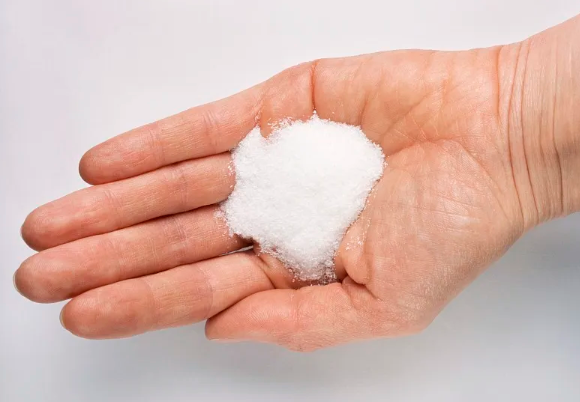
When it comes to choosing Resveratrol Powder, international buyers really need more than just a low price tag. Sure, a cheap quote might catch your eye, but what really matters is having solid proof that the product matches its label, lab results, and what you actually get in your shipment. A trustworthy supplier should be upfront about things like the botanical source, extraction process, percentage of trans-Resveratrol, particle size, storage conditions, and traceability of each batch. Looks can be deceiving, too — it’s often just a fine beige powder sealed up in a pouch. So, don’t judge a book by its cover!

Dr. David Sinclair, a prominent aging researcher, once explained that “resveratrol is a molecule that activates a gene called SIRT1, which is believed to help protect cells from aging.” That sounds impressive, right? But honestly, that kind of statement doesn’t guarantee how well the finished product will perform. It's super important to separate the science from marketing hype. Things like human studies, proper dosage, purity, stability, and what you plan to use it for all need to be carefully considered.

Always ask for an independent Certificate of Analysis—this is key. You want to see confirmed HPLC results, checks for heavy metals, microbiological testing, residual solvents, and allergen info. Also, make sure you know whether the percentage listed refers to trans-resveratrol specifically or total resveratrol, because that detail can totally change your comparison.

The experience of the supplier matters, too. Reputable manufacturers like NutraBio or specialized botanical processing firms usually have better quality systems in place, but never just rely on a name. Always verify by checking the actual facility—not just their website. Trust, but verify.

Now, let’s face it—there’s always room for doubt. Some buyers get so caught up in purity levels that they forget about oxidation during storage, which can ruin the product. Others might be wowed by impressive claims without bothering to confirm batch numbers. The smart approach? Test for both purity and oxidation. It’s kind of a double-check to make sure you’re not getting ripped off.

This guide walks you through everything — from sourcing and specs to testing, compliance, packaging, and how to gauge supplier reliability around the world. And here’s a sneaky truth: the cheapest Resveratrol Powder might end up costing you more in the long run if there are delays, rejected samples, or inconsistent batches. Always do your homework—and don’t settle for just a good deal on price.
2026 How to Choose Resveratrol Powder for Global Buyers?

What Is Resveratrol Powder and Why Does Its Source Matter?

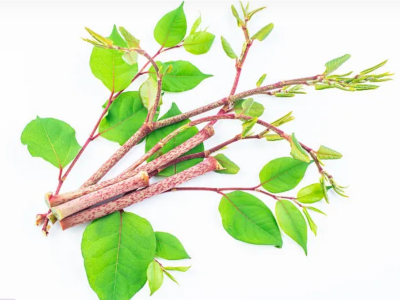
Resveratrol powder is a fine, concentrated ingredient containing resveratrol, a naturally occurring polyphenol. It is found mainly in grape skins, red grapes, and Japanese knotweed. The source matters because plant varieties can produce different resveratrol levels and impurity profiles. Extraction methods also influence color, odor, solubility, and stability.

In practical procurement, global buyers should request the botanical source and confirm whether the material is trans-resveratrol or a mixed form. Trans-resveratrol is commonly preferred for research and formulation purposes, but the stated percentage needs independent verification. A serious supplier should provide a current certificate of analysis, identity testing, assay results, microbiological limits, heavy metal data, pesticide screening, and residual solvent results. Documentation should match the actual batch.

Liposomal Resveratrol Powder may improve dispersibility, but “liposomal” does not automatically mean more effective. Buyers should ask about the carrier materials, particle-size testing, encapsulation data, and storage conditions. Moisture, heat, and light can gradually affect powder quality. Opaque packaging helps. Still, packaging alone proves little.

A high assay is not the whole story. I would not choose a source from price alone. One weakness in many comparisons is limited stability data under real shipping conditions. Seasonal crops, transport delays, and regional compliance requirements deserve attention before purchase. Some specifications may look impressive, yet remain difficult to verify.

How to Compare Resveratrol Purity, Potency, and Active Content

When global buyers evaluate Resveratrol powder, purity is only the first checkpoint. Ask whether the reported percentage refers to total resveratrol or trans-resveratrol. These values are not interchangeable.

A powder labeled 98% may describe an HPLC assay, while another supplier may report purity on a dry basis. Request the latest certificate of analysis, not a recycled sample document. Check the test method, laboratory identity, batch number, and testing date.

Details matter.

Potency explains how much active material each serving can deliver. Active content depends on purity, moisture, particle uniformity, and the recommended dosage.

For example, one gram of 98% trans-resveratrol provides approximately 980 milligrams of assayed active compound, before formulation losses. Confirm whether the calculation uses anhydrous weight or the material as received.

It is easy to miss. Review heavy metal, microbial, residual solvent, and stability results alongside the assay. Independent verification adds confidence, especially when purchasing across borders.

However, laboratory data is not a guarantee of performance in every finished product. Storage conditions can change the powder; heat, humidity, and repeated opening may reduce consistency.

In practical sourcing, I would compare three batches rather than trust one impressive number. A lower assay with transparent, repeatable testing may be more reliable than a higher claim with unclear definitions.

Which Resveratrol Sources and Production Methods Are Available?

For global buyers, resveratrol powder usually comes from Japanese knotweed root, grape skins, grape seeds, or microbial fermentation. Japanese knotweed often provides a higher starting concentration. A 2021 review in Molecules reported resveratrol levels of roughly 0.4% to 1.5% in its dried roots, while grape materials commonly contain much less. Source matters.

Extraction methods change both purity and cost. Ethanol-water extraction is widely used for botanical material because it can reduce harsh solvent residues. Supercritical carbon dioxide may improve selectivity, but equipment costs are higher. Fermentation uses engineered microorganisms to produce trans-resveratrol under controlled conditions. It can offer consistent batches, although buyers should verify the production organism and downstream purification records. Not every “natural” claim is equally clear.

The 2024 Grand View Research market analysis identifies dietary supplements as a major resveratrol application, supporting continued demand for standardized powders. Buyers should request HPLC chromatograms, residual-solvent results, heavy-metal testing, microbiological limits, and stability data. The USP dietary-supplement framework also emphasizes identity, strength, quality, and purity testing. Ask for trans-resveratrol content, not only total resveratrol. A powder labeled 98% may still need closer review: assay method, moisture, particle size, and storage conditions can change practical performance. Some supplier documents look complete. They are not always complete.

2026 How to Choose Resveratrol Powder for Global Buyers? - Which Resveratrol Sources and Production Methods Are Available?

Comparative guide to common resveratrol sources, manufacturing methods, quality indicators, and international purchasing considerations

Source or Method Raw Material / Process Typical Product Profile Main Advantages Main Limitations Best-Fit Buyer Applications Key Verification Documents
Japanese Knotweed Extract Roots and rhizomes of Polygonum cuspidatum or Fallopia japonica; commonly extracted with water, ethanol, or hydroalcoholic solvent, followed by concentration, purification, drying, and milling. Commercial extracts may be standardized to approximately 50%–98% total resveratrol, with trans-resveratrol commonly specified separately. The exact profile depends on extraction and purification conditions. Widely used botanical source; scalable supply; suitable for standardized powders; generally competitive for bulk purchasing. May contain emodin or other anthraquinones unless controlled; botanical identity, pesticide residues, heavy metals, and solvent residues require verification. Dietary supplements, capsules, tablets, functional foods, and botanical formulations requiring a plant-derived ingredient. Botanical identification, assay by HPLC, trans/cis-resveratrol profile, emodin result, pesticide panel, heavy-metal test, residual-solvent test, microbiology, and certificate of analysis.
Grape Skin and Grape Seed By-Products Grape skins, seeds, or winery residues; extracted using aqueous or hydroalcoholic processes and then concentrated and dried. Usually a broader polyphenol extract rather than a highly purified resveratrol powder. Resveratrol content can vary significantly by grape variety, growing conditions, and processing. Uses an agricultural by-product; supports sustainability claims; may provide resveratrol together with other grape polyphenols. Often lower and less consistent in resveratrol concentration; difficult to use where a high-purity or tightly standardized specification is required. Whole-food supplements, antioxidant blends, beverages, and products emphasizing grape-derived polyphenols. Species and plant-part identification, resveratrol assay, total polyphenol profile, pesticide residues, ochratoxin and other mycotoxins where relevant, heavy metals, microbiology, and origin records.
Chemical Synthesis Resveratrol is produced through organic chemical reactions using controlled starting materials, followed by purification, crystallization, drying, and particle-size adjustment. Can achieve high assay levels, commonly around 98% or higher when adequately purified. The cis/trans ratio and impurity profile depend on the reaction and purification route. Consistent composition; scalable production; suitable for high-purity specifications and applications requiring tight batch-to-batch control. Not naturally plant-derived; residual solvents, catalysts, reagents, and process-related impurities must be controlled and documented. High-purity supplement ingredients, research materials, formulated products, and buyers prioritizing analytical consistency. Assay and purity by validated HPLC, impurity profile, residual solvents, elemental impurities, reaction-residue statement, stability data, batch traceability, and safety data sheet.
Biotechnological / Fermentation Production Engineered microorganisms or cell-based systems produce resveratrol from carbon sources through a controlled biosynthetic pathway; downstream purification yields a powder. Potentially high-purity trans-resveratrol, although commercial specifications vary. The final classification may depend on the production organism, process, and destination-market rules. Potential for controlled production, reduced dependence on agricultural supply, and a lower-solvent or lower-land-use process compared with some botanical routes. Technology availability, regulatory acceptance, process transparency, and cost may vary; buyers need clear information about the microorganism and downstream purification. Innovative nutraceuticals, sustainability-focused products, and customers seeking consistent fermentation-derived ingredients. Production-organism statement, genetic-modification disclosure where applicable, allergen and allergen-cross-contact assessment, assay, impurities, residual media components, microbiology, regulatory status, and traceability.
Supercritical CO₂-Assisted Extraction Plant material is processed with pressurized carbon dioxide, sometimes combined with a co-solvent, followed by concentration and drying. May provide a relatively clean extract, but resveratrol recovery and concentration depend on pressure, temperature, raw material, and co-solvent use. Low residual-solvent potential; process can reduce thermal exposure; useful for selected botanical extraction applications. Equipment-intensive; polar compounds may require a co-solvent; the method alone does not guarantee high resveratrol purity. Premium botanical extracts and formulations where clean-label processing or reduced solvent residue is commercially important. Process description, solvent and co-solvent information, resveratrol assay, residual-solvent analysis, pesticide and heavy-metal tests, microbiology, and stability data.
Spray-Dried or Freeze-Dried Powder A liquid extract or purified solution is converted into powder by spray drying or freeze drying, often with carriers such as maltodextrin or modified starch. Powder assay is influenced by carrier percentage, moisture, drying temperature, and particle size. The label should distinguish active resveratrol from carrier material. Improves handling, flowability, and incorporation into capsules, sachets, beverages, or premixes; freeze drying can reduce heat exposure. Carriers reduce active concentration; hygroscopicity and caking may occur; excessive heat or light can affect stability. Finished-product manufacturing, beverage premixes, powders, direct-compression blends, and customized delivery systems. Carrier identity and percentage, moisture, water activity, bulk density, particle-size distribution, assay, dissolution or dispersibility, light/heat stability, and packaging specification.
Micronized or Encapsulated Resveratrol Purified resveratrol is reduced to a smaller particle size or incorporated into lipid, phospholipid, polymer, or other delivery systems. Active content may remain high, but the product is not directly comparable with ordinary powder. Performance depends on particle size, carrier system, and release characteristics. May improve dispersibility, handling, or apparent dissolution compared with coarse crystalline material. Higher cost; more complex specifications; some delivery claims require product-specific evidence and must comply with local regulations. Premium capsules, functional beverages, advanced formulations, and products requiring improved dispersion. Particle-size distribution, active-load percentage, carrier composition, dissolution or dispersibility data, physical stability, assay, residual solvents, and regulatory claim support.
Global buyer checklist: Confirm whether the specification refers to total resveratrol or trans-resveratrol, request a recent batch-specific certificate of analysis, verify the botanical or production origin, review contaminant and residual-solvent limits for the destination market, check stability and packaging requirements, and confirm applicable food, supplement, novel-food, or other regulatory status before purchase.

Note: Concentration ranges and production characteristics are typical industry descriptions, not guarantees for every batch. Final acceptance should be based on an agreed specification, validated analytical methods, and destination-country requirements.

How to Verify Testing, Certifications, and Regulatory Compliance

2026 How to Choose Resveratrol Powder for Global Buyers?

Grand View Research estimates that the global resveratrol market reached about USD 96 million in 2023. Growth attracts new suppliers, but documents can look stronger than the powder itself. Request a batch-specific certificate of analysis, not a template. Confirm trans-resveratrol content by HPLC, with identity supported by LC-MS or an equivalent method. Check the laboratory’s ISO/IEC 17025 accreditation and verify its scope online.

Look closely at testing dates, sample numbers, and detection limits. Heavy metals, pesticides, residual solvents, microbial counts, and adulterants need separate results. “Pass” alone is weak evidence. The report should show units and accepted limits.

A certificate is not a clean batch. It is only a system signal. ISO’s 2022 Survey recorded more than 1.26 million ISO 9001 certificates worldwide, yet ISO 9001 does not prove product purity or regulatory approval.

GMP, HACCP, and food-safety certifications can support supplier control, but buyers must check the issuing body and certificate validity.

Regulatory review also changes by destination. Verify whether the ingredient is accepted as a dietary ingredient, food ingredient, or novel food in the target market.

Review permitted claims before using “anti-aging” or disease-related language. In practical audits, traceability often fails at the extraction-site level. Ask for the botanical source, extraction solvent, country of processing, allergen statement, and change-control records.

I would not rely on one impressive report; independent retesting remains sensible, especially when the color, odor, or particle size differs from the approved sample.

How to Evaluate Solubility, Stability, Packaging, and Shelf Life

2026 How to Choose Resveratrol Powder for Global Buyers?

When evaluating resveratrol powder, solubility should be tested in the intended formula, not only in water. Resveratrol has limited water solubility, and results can change with particle size, temperature, pH, and carrier materials. Ask for a practical dispersion test with clear conditions. A transparent method is more useful than a vague “high solubility” claim. Small details matter.

Stability testing should cover heat, humidity, oxygen, and light exposure. Request both real-time and accelerated data when available. A certificate of analysis should show purity, moisture, microbial results, heavy metal limits, and batch identification. Independent laboratory verification adds confidence. Still, one test cannot predict every shipping route. That assumption needs review.

Packaging protects the powder before the customer opens it. For international transport, consider sealed inner bags, moisture barriers, oxygen control, and suitable outer cartons. Desiccants may help, but they cannot repair poor sealing. Confirm storage conditions, production date, retest date, and shelf-life evidence. A cool, dry warehouse is usually safer than a warm loading area. Inspect the powder after transit, not just at arrival. Color, odor, clumping, and assay results may reveal changes.

How to Assess Suppliers, Manufacturing Capacity, and Traceability

Global buyers should assess resveratrol suppliers beyond a polished website. Ask for recent certificates of analysis, batch records, and independent laboratory results. These documents should confirm identity, purity, microbial limits, heavy metals, and residual solvents. Check whether each result matches a specific production lot.

Capacity needs practical verification. Request monthly output, equipment details, quality staffing, and average lead times. A supplier producing ten tons annually may not support a sudden large order.

For Liposomal Resveratrol, ask about encapsulation methods, particle-size testing, stability data, and storage conditions. A sample can look excellent while large-scale performance changes. That risk deserves attention.

Traceability should follow the material from raw botanical source to sealed cartons. Each lot should connect to supplier records, processing dates, test results, and shipment documents.

Visit the facility when possible, or arrange a credible third-party audit. Look for clean production areas, calibrated instruments, retained samples, and controlled warehouse temperatures. Ask how deviations and customer complaints are handled. Small details matter. I have seen impressive paperwork hide weak internal communication, so verify answers across departments. No audit is perfect. Buyers should still record gaps, request corrective actions, and review performance after delivery. Reliable cooperation is demonstrated through consistent evidence, not confident promises.

How to Compare Pricing, Logistics, and Long-Term Supply Terms

2026 How to Choose Resveratrol Powder for Global Buyers?

Comparing resveratrol powder requires more than checking the lowest price. A practical review starts with assay results, particle size, moisture, and packaging conditions. Ask for a recent certificate of analysis from an independent laboratory. Confirm whether the quoted price includes testing, export documents, and protective inner bags. A low price can become expensive after delays, damaged cartons, or repeated inspections.

Logistics often decide the real purchase cost. Compare air and sea freight separately, then review delivery terms, minimum order quantities, and expected lead times. For humid routes, moisture-resistant packaging matters. For large orders, request batch reservation and a written production schedule. My earlier comparisons were too focused on unit price. That was a mistake. Currency changes, port congestion, and customs questions can quickly alter the calculation. Resveratrol Softgels manufacturers may also need a different particle specification than powder blenders, so confirm the intended application before signing.

Tips: Request three complete quotations, not three product prices. Check the same specifications across all offers. Ask how suppliers handle rejected batches, delayed shipments, and specification changes. Long-term terms should include forecast flexibility, batch consistency, inspection rights, and a clear replacement process. Keep a small approved sample from each shipment for internal comparison. It is simple, but often overlooked. Also review payment milestones carefully. A generous credit term may hide a less reliable supply commitment.

FAQS

: What are the common sources of resveratrol powder?

: Common sources include Japanese knotweed root, grape skins, grape seeds, and controlled microbial fermentation. Source matters.

How do production methods affect resveratrol quality?

Ethanol-water extraction can limit harsh solvent residues. Supercritical carbon dioxide may improve selectivity but requires costly equipment. Fermentation may provide consistent batches. Verify the production organism and purification records.

What testing documents should buyers request?

Request HPLC results, residual-solvent testing, heavy-metal limits, microbial results, moisture, and stability data. Check trans-resveratrol content specifically. Total resveratrol can hide important differences.

Is a high-purity label enough for purchasing decisions?

No. A 98% label still needs its assay method, particle size, moisture, and storage conditions. Numbers need context. Some documents look complete but remain incomplete.

How should solubility be evaluated?

Test solubility in the intended formula, not water alone. Particle size, temperature, pH, and carrier materials can change dispersion. Request clear test conditions. Vague claims are weak evidence.

What stability information is important?

Stability testing should examine heat, humidity, oxygen, and light. Request real-time and accelerated data when available. One laboratory test cannot represent every shipping route. Review that assumption carefully.

Which packaging features can protect the powder during transport?

Use sealed inner bags, moisture barriers, oxygen control, and suitable outer cartons. Desiccants may help, but poor sealing remains a problem. Confirm storage temperature, production date, retest date, and shelf-life evidence.

How can buyers assess supplier capacity and traceability?

Request monthly output, equipment details, quality staffing, lead times, batch records, and independent test results. Each lot should connect raw materials, processing dates, testing, and shipment documents. A sample may look excellent. Large-scale performance can change.

What should buyers inspect after delivery?

Check color, odor, clumping, packaging seals, and assay results. Compare findings with the original batch documents. Record gaps. Ask for corrective actions and review performance after delivery.

Conclusion

Choosing the right Resveratrol Powder requires more than comparing quoted prices. Global buyers should first understand the material’s source, extraction method, purity, potency, and active content, since these factors directly affect product performance and consistency. Reliable evaluation also includes reviewing independent test results, contaminant screening, certifications, regulatory documentation, solubility, stability, packaging, and stated shelf life. Clear specifications and complete technical records help buyers make informed decisions for different applications.

Supplier capability is equally important for long-term purchasing. Buyers should assess manufacturing capacity, batch-to-batch consistency, traceability systems, quality control procedures, and responsiveness to documentation requests. Pricing should be evaluated together with production scale, minimum order quantities, lead times, shipping conditions, and payment terms rather than viewed in isolation. A dependable supplier should offer transparent communication, stable quality, practical logistics support, and sustainable supply arrangements that reduce procurement risks and support reliable global distribution.


Ethan

Ethan

Ethan is a dedicated marketing professional at Shaanxi Yuantai Biological Technology Co., Ltd., where he plays a pivotal role in promoting the company's extensive range of products. With a deep understanding of plant extracts, nutritional supplement raw materials, cosmetic raw materials, organic......
Previous 2026 Best Docosahexaenoic Acid Suppliers for Global Buyers?
Next How to Find a Reliable Supplement Raw Material Supplier?