Leave Your Message

Reasons for contact:

Where are you in your project?

Product Type(s) of Interest

0%

Honestly, picking a dietary supplement factory in China isn't like flipping through a brochure. It's really about ensuring you get consistent quality, transparent records, and dependable communication—every single time. Just look at the numbers: the global market was worth about $177.5 billion in 2023, and it's expected to grow nearly 9% each year through 2030. That kind of growth sounds exciting, but it also means there's a lot more pressure to vet your suppliers carefully. A snazzy showroom might look impressive, but in the end, it doesn't tell you much about what matters. You know, it's worth asking to review their production records, testing procedures, and also how they handle a failed batch. Those details can really tell you a lot about their quality control.

Now, for this guide, we've actually leaned on some work by Dr. Pieter Cohen, a researcher at Harvard Med School who really digs into supplement quality and safety. And one key thing we took away from his research is this: verify claims against records, not just fancy brochures. Basically, treat that as a rule of thumb, not an exact quote. So when you're checking out a factory, see if they can explain where they source ingredients, how they trace batches, and if they do independent testing—all in plain English, no jargon. If they can't? Then you might want to pause right there. Here's the thing – you can have a supplier who's absolutely rock-solid at their job, but communication? Sometimes that's their weak spot. And that becomes a real issue when, say, the specs change overnight or a shipment runs late. Suddenly, everything's a scramble.

Honestly, when you search for a "dietary supplement factory China," you're looking at a pretty diverse bunch of manufacturers. They're definitely not all the same when it comes to capability. So don't just compare their product catalogs—you really need to look at how they actually do things, their real processes. And here's a tip: if a supplier also presents itself as a China Sodium Copper Chlorophyllin Powder Factory, make sure you verify that product's specifications and testing on its own, not just assume it's all good. You can't get every answer from just one supplier visit, that's for sure. And those factory photos? They might look reassuring, but the actual records could be a totally different story. It's an uncomfortable thought, but it's worth hanging onto while you go through the ten tips ahead.
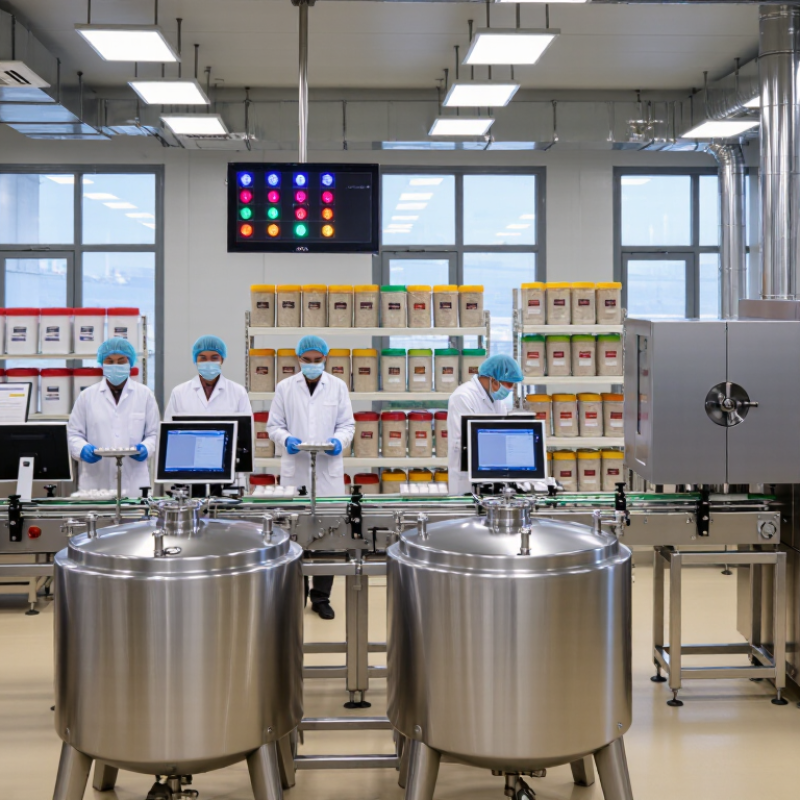
10 Tips for Choosing a Dietary Supplement Factory in China

Define Your Product Needs and Manufacturing Scope

Before contacting a factory, define the product you actually want to make. Write a one-page brief covering ingredient form, serving size, target users, flavor, and packaging. Specify whether you need capsules, tablets, powder sachets, or another format. Small choices affect equipment and minimum order quantities. This part is easy to rush.

Decide which manufacturing steps belong in scope: blending, filling, packaging, or sourcing ingredients. Ask which steps the factory performs on site and which it assigns elsewhere. Set a realistic first-batch quantity and identify any required product testing. Request a sample made to your draft specification, not just a similar item from the factory’s catalog. A polished sample can still hide a mismatch.

Agree on the records you need, such as ingredient specifications, batch records, and test reports. Confirm which tests are available and who performs them; details matter more than a general quality claim. The search phrase “China Sodium Copper Chlorophyllin Powder Suppliers” may surface during ingredient research. Treat it as a lead, not proof that a supplier can manufacture your finished product. Compare the ingredient identity and documentation with your brief. Factories cannot resolve unclear requirements for you.

Verify Licensing, Certifications, and Regulatory Compliance

A certificate on the wall is not enough. Ask the factory for its current business license and any production permits required for the product category. Check that the registered company name and facility address match the documents. A small mismatch can matter. Verify expiry dates directly, and confirm that each certificate covers the actual site and manufacturing activities—not just an affiliated office.

Review the scope of food-safety certifications, such as GMP, HACCP, or ISO 22000, and confirm who issued them. Request recent audit findings and evidence that corrective actions were completed. For a Blueberry Extract Supplement, ask how incoming materials are identified, tested, and traced through production. Check sample batch records and independent laboratory reports, including test methods and dates. Requirements may differ by destination market, so have a qualified regulatory professional review the product documents before production. Paperwork can look tidy while a process remains unclear; ask follow-up questions, and note where answers are vague.

Assess Quality Systems, Testing, and Traceability

When choosing a dietary supplement factory in China, ask to see its quality procedures in action, not just a polished certificate. The Council for Responsible Nutrition’s 2023 Consumer Survey found that 74% of U.S. adults use dietary supplements, making reliable quality controls important at scale. Request recent audit findings, corrective-action records, and training logs. Check that staff can explain how a deviation is investigated and closed. A tidy document folder is not enough.

Tip: For a Milk Thistle Extract Supplement, review lot-specific tests for identity, potency, and contaminants. Ask which methods the lab uses and whether it is independent. Compare the certificate of analysis with raw-material records and finished-product results. Verify traceability from supplier lot to packaged batch, including labels and shipment records. Ask the factory to demonstrate a mock recall using one real batch number. No checklist catches every weak handoff.

Look for documented change control, equipment calibration, and clear responsibilities when results fall outside limits. Confirm that retained samples are stored under defined conditions. Then test the system with a practical question: can the factory trace a finished lot back to its incoming extract and packaging materials? If answers rely on memory, investigate further. Quality systems are only as dependable as their daily records.

Review Ingredients, Formulation, and Production Capabilities

When choosing a dietary supplement factory in China, examine ingredient controls before discussing price. Ask for specifications, supplier qualification records, and recent certificates of analysis for key materials. Check how the factory identifies incoming ingredients and handles mismatches. A tidy sample room is useful, but paperwork and routine controls matter more. Small details count.

Tip: Request a sample batch record. Compare ingredient names, amounts, and lot numbers against the product specification. Ask how the team prevents mix-ups during weighing and blending. If your formula contains flavors, minerals, or botanical extracts, discuss taste, solubility, and sourcing variability early. A formula can look good on paper and still be difficult to manufacture.

Review formulation support and production capacity together. Ask about pilot runs, equipment suited to your dosage form, and realistic lead times. Request stability data relevant to the proposed packaging and storage conditions. Also clarify testing responsibilities, release criteria, and how deviations are documented. A factory’s answer should be specific, not just reassuring.

Tip: If a document is unclear, ask for an example with sensitive details removed. I would not treat one successful sample as proof of consistent production; that assumption can be costly.

Inspect Facility Standards and Supply Chain Controls

A clean production room is only the visible part of a reliable factory. Ask to see its current good manufacturing practice audit, corrective-action records, and procedures for approving raw-material suppliers. NSF/ANSI 455-2 provides a useful benchmark for dietary supplement GMP audits. Check whether the audit scope covers the actual site and product category, not just a sister facility. Details matter.

Traceability should work in both directions. Pick a finished batch and ask staff to trace it back to ingredient lots, receiving records, and test results. Then follow one ingredient forward into every affected batch. For Creatine Supplement Capsules, inspect how the factory verifies ingredient identity, manages humidity, and segregates materials. Request sample certificates of analysis, but confirm how results are checked and whether outside laboratories are used. Paperwork can look tidy. The records should match the physical process.

The Council for Responsible Nutrition’s 2023 Consumer Survey reported that 74% of U.S. adults use dietary supplements. That figure describes consumer use, not factory quality, but it underscores the need for consistent controls. Ask how the supplier monitors transport conditions, screens new vendors, and reports changes in ingredient source. A mock-recall exercise can reveal gaps in lot tracking. I would still ask to see the evidence myself; a polished audit summary does not answer every practical question.

Compare Communication, Contracts, Pricing, and Lead Times

Tip: Test communication before discussing a large order. Send a short specification with serving size, ingredient list, packaging type, and target quantity. Notice whether the factory asks useful questions or replies with a vague price. Ask who will handle updates and how quickly they usually respond. A clear contact process helps prevent small changes from becoming costly surprises. Ask for specifics.

Tip: Read the contract line by line. Confirm the product specification, sample approval process, payment milestones, inspection steps, and remedies for delays or defects. Make sure revised artwork or formulas require written approval. If a clause is unclear, request a plain-language explanation before signing. It may feel slow, but assumptions are harder to fix later.

Tip: Compare complete quotes, not just the unit price. Check whether setup, testing, packaging, freight, and minimum order quantities are included. Request a dated production schedule with sample, production, and shipping estimates. Ask what could shift those dates, such as packaging availability or an approval delay. Add a reasonable buffer. Lead times are estimates, not promises, and I would still want that point stated clearly. A neat spreadsheet can help, though it will not catch every surprise.

FAQS

What documents should I request before discussing price?

Ask for ingredient specifications, supplier approval records, and recent certificates of analysis. Request a sample batch record, too. Check names, amounts, and lot numbers.

How can I check whether ingredients are handled carefully?

Ask how incoming materials are identified and mismatches are managed. Find out how staff prevent mix-ups during weighing and blending. Small details matter.

What should I discuss when reviewing a formula?

Talk about taste, solubility, and sourcing changes for flavors, minerals, or botanical extracts. A formula may look simple on paper but prove difficult to produce.

How can I judge production readiness?

Ask about pilot runs, suitable equipment, and realistic lead times. Request stability data for the planned packaging and storage conditions. One good sample proves little.

What facility records are worth reviewing?

Request the current manufacturing audit, corrective-action records, and raw-material supplier approval procedures. Confirm the audit covers the actual site and product category.

How do I test whether batch traceability works?

Choose a finished batch and trace it back to ingredient lots and test results. Then trace one ingredient forward into affected batches. Follow the records.

What should I ask about testing and product release?

Clarify who performs each test, the release criteria, and how deviations are recorded. Ask for an example document with sensitive details removed if needed.

How can I evaluate supply-chain controls?

Ask how transport conditions are monitored, new suppliers are screened, and ingredient-source changes are reported. A mock recall can expose tracking gaps. Still, I would check the evidence myself.

Conclusion

Choosing a Dietary supplement factory China begins with a clear definition of your product, target market, dosage form, and expected production volume. Before moving forward, verify the factory’s licenses, relevant certifications, and ability to meet applicable regulatory requirements. Review its quality management system, testing procedures, batch records, and traceability practices to understand how materials and finished products are monitored.

Next, assess whether the factory can handle your ingredient requirements, formulation development, and production scale. Consider facility hygiene, equipment, supplier oversight, and controls for storing and handling materials. Finally, compare communication practices, contract details, pricing, and lead times. A careful evaluation of these factors can help you select a manufacturing partner that fits your needs and supports consistent, transparent production.
Ethan

Ethan

Ethan is a dedicated marketing professional at Shaanxi Yuantai Biological Technology Co., Ltd., where he plays a pivotal role in promoting the company's extensive range of products. With a deep understanding of plant extracts, nutritional supplement raw materials, cosmetic raw materials, organic......
Previous China Top Yerba Mate Tea Extract Suppliers for Wholesale