Looking for reliable Zinc Pyrithione suppliers in China? You’re in the right place. We’ve rounded up the top 10 Chinese suppliers that global buyers should really keep an eye on. These aren’t just random companies—they’ve got the experience, quality control, and export know-how to back it up. Whether you’re sourcing for personal care, cosmetics, or industrial applications, this list is a solid starting point. Of course, you’ll still want to do your own due diligence—check certifications, request samples, ask about lead times—but this should save you a ton of research time. Hope it helps!
So when you're on the hunt for a zinc pyrithione supplier, honestly, it's way more than just comparing prices. You've got to dig into the nitty-gritty—like, do they give you clear specs? Is their documentation actually reliable? And what about production stability—can they keep up consistently? Plus, you really want a team that's quick to help when you have technical questions. Here's the thing: even a tiny difference in assay, particle size, or even how they package the stuff can totally mess with your downstream formulation. So before you even think about placing a big order, ask for the current technical data sheet, a batch-specific certificate of analysis, and a representative sample. And don't just take their word for it—see how they handle traceability and quality concerns. It makes a world of difference, trust me. You know, the little things really do matter.
Our guide's editorial voice, Dr. Mira Bennett, puts it this way: “A reliable supplier makes quality visible in every batch, not just in the brochure.” And honestly, that's not a quote from some interview—it's just a smart observation. Here's the deal: a slick website can make anyone look good, but it can't hide the absence of real, verifiable records. So, when you're talking to a supplier, don't be shy—ask about their manufacturing controls, how they handle inspections, what their lead times are like, and even how they pack stuff for export. And here's the trick: compare the answers you get across different suppliers, but do it consistently. Otherwise, you're just comparing apples to oranges.
So, here's a rundown of ten suppliers based in China that global buyers might want to check out. This isn't about ranking them or anything—more like giving you the lowdown on what they offer: product details, how they communicate, their quality systems, and whether they're ready to get down to business. Honestly, supplier capabilities can shift over time, and the info you find online might not always tell the whole story. That's something worth keeping in mind. So, before you commit to an order, make sure you do your own homework on the current specs and whatever rules apply in your market. Just a heads-up, not trying to sell you anything—just saying it's better to be safe than sorry. So, when you're reaching out to suppliers, keeping it short and sweet—like mentioning the grade you need, what it's for, how much you'll be ordering each year, and where it's headed—makes a world of difference. They can actually give you useful answers instead of guessing. And here's the thing: the best shortlist isn't necessarily the one with the most names on it. Nope, it's the one that's backed by solid evidence.

Understanding Zinc Pyrithione and Its Main Applications
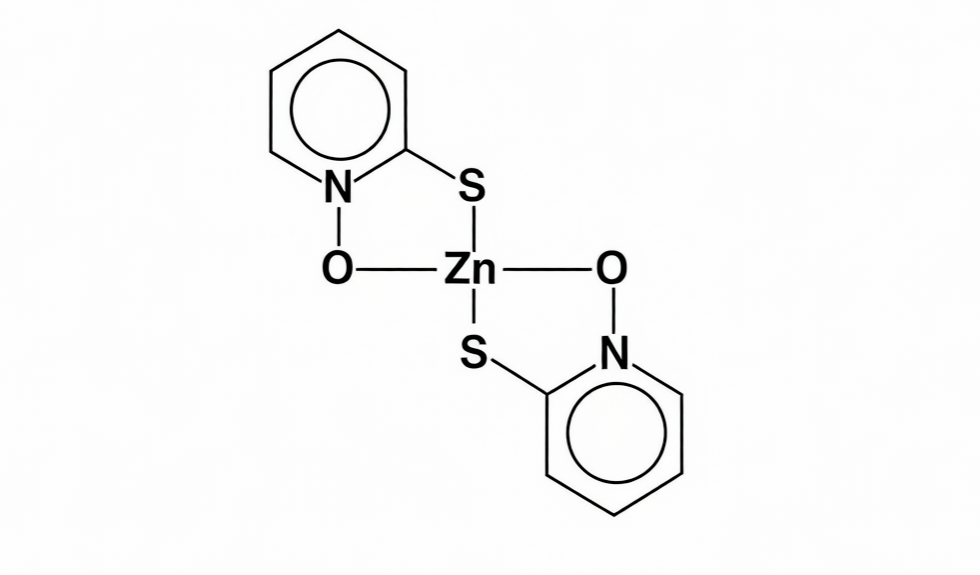
Zinc pyrithione is a zinc-based compound valued for its ability to limit the growth of certain fungi and bacteria. Its best-known application is in some anti-dandruff hair products, where it may help maNAGe scalp flaking. It has also been used in selected coatings to protect surfaces from microbial growth. These uses are not interchangeable: formulation, exposure, and local rules all matter. The details matter.
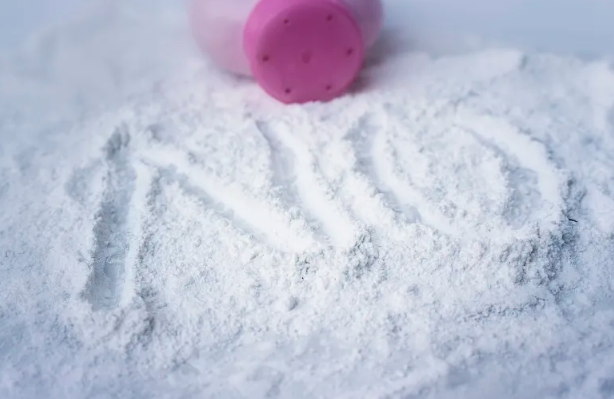
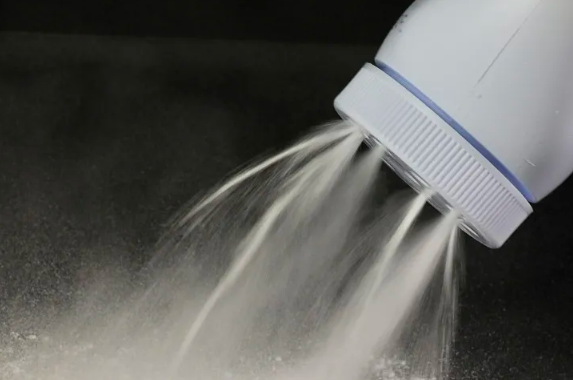
For global buyers, Zinc Pyrithione Powder should be assessed against its intended use, not just its quoted price. Check the specification, assay, particle size, moisture level, and batch documentation. A fine powder may disperse differently from a coarser grade, affecting processing and product consistency. Ask for a certificate of analysis and safety data sheet, then confirm that the material suits the target formulation. Regulatory status varies by country and product category, and permitted uses can change. Verify current requirements before purchasing or developing a product. A supplier’s technical documents are useful, but they do not replace independent checks or application testing. Even a small trial batch can reveal settling, clumping, or compatibility problems.
How China’s Zinc Pyrithione Supplier Market Is Structured
China’s zinc pyrithione supplier market is not one uniform group. It generally includes production-focused companies, export-oriented trading firms, and suppliers that coordinate production with outside facilities. Their capabilities can differ in batch consistency, packaging options, and export documentation. A polished website is not proof of manufacturing capacity. That distinction matters.
For global buyers, compare technical details before comparing price. Request a current specification sheet, safety data sheet, and representative batch documentation. Check the declared assay, appearance, packaging weight, storage guidance, and stated shelf life. Ask whether samples come from the same production process as commercial orders. A 25-kilogram drum may suit one operation, while smaller packaging can help with testing and handling. Response quality is useful, but it cannot replace document checks. I would also confirm who handles quality complaints; this point is easy to overlook.
Tips: Ask for a written quotation that states product grade, packaging, lead time, and shipping terms. Verify documents with the issuing party where practical. Keep a retained sample from each approved batch. The process takes time, admittedly, but clear records make supplier comparisons more reliable.
Criteria for Selecting China’s Top 10 Suppliers
For a China-based Zinc Pyrithione supplier shortlist, compare documented quality systems, batch consistency, and shipment controls—not catalogue claims alone. The ISO Survey 2022 recorded 1,265,216 valid ISO 9001 certificates worldwide, showing how widely quality systems are adopted; certification itself does not verify a chemical’s purity or performance. Ask for a current certificate and confirm its scope. Request a batch-specific certificate of analysis, test methods, impurity limits, and retained-sample policy. Check that the sample label, COA, and shipping documents show matching product and lot details. Small mismatches matter.
Assess manufacturing capacity, lead times, packaging integrity, and traceability through a site audit or documented remote review. Ask how the supplier handles out-of-specification batches and whether test results come from an appropriately accredited laboratory. Samples can mislead. Compare at least two production lots, including appearance and key assay results; one clean sample is not enough. Keep Zinc Pyrrolidone Carboxylate Acid in a separate specification file, since it is a different material and should not be confused with Zinc Pyrithione. Finally, verify that the proposed grade, safety documents, and intended use meet current requirements in the destination market. Supplier rankings should reflect evidence, not promotional language.
Profiles of 10 Chinese Zinc Pyrithione Suppliers
China’s zinc pyrithione market includes manufacturers and export-focused trading firms with different strengths. These ten profiles describe useful supplier types, not verified company listings. An export-oriented producer may offer batch records and consistent packaging. A high-volume factory may compete on price, but buyers should confirm current specifications. One detail matters: a low quote is not proof of reliable quality.
A smaller producer may handle trial orders or tailored particle sizes. A coastal supplier can offer convenient shipping, though delivery still depends on documentation and schedules. An inland manufacturer may have larger production capacity; ask for recent quality-control results. A testing-focused supplier should explain its methods and provide a certificate of analysis. Formulation support can help buyers assess compatibility, but request evidence for each claim. That distinction is easy to miss.
A trading company may coordinate sourcing and export paperwork, so clarify who made each batch. A supplier serving multiple industries may offer flexible packaging, yet confirm storage conditions and traceability. A newer exporter may respond quickly, but check its inspection process before placing a large order. Request samples, specifications, and safety documents, then verify that intended use follows local rules. Zinc PCA is a separate ingredient, not a substitute; compare the two only against a defined product requirement. I would still ask for clearer evidence.
Comparing Product Grades, Capacity, and Customization Options
For global buyers comparing Chinese zinc pyrithione suppliers, grade consistency matters as much as quoted price. Request recent certificates of analysis showing assay, moisture, particle-size distribution, and batch-to-batch variation. Ask whether the grade is intended for a specific formulation type, then test dispersion in your own base. A fine powder can still form stubborn clumps. Capacity claims also need context: confirm typical batch size, monthly output, lead time, and how much production is reserved for repeat orders. OECD’s Global Chemicals Outlook II reports that global chemical sales more than doubled from 2000 to 2017, reaching USD 5.68 trillion. That broad growth figure is not zinc pyrithione demand, but it underlines why scalable, traceable supply deserves scrutiny.
Customization should be concrete, not just a sales promise. Buyers can ask about particle-size targets, packaging formats, private-label documentation, and technical support for trial batches. Compare these options against minimum order quantities and the supplier’s ability to keep specifications stable at scale. Keep PCA Zinc separate in specifications: it is not another name for zinc pyrithione, and confusing the two can derail sampling and purchasing. A neat spreadsheet can still mislead. Verify claims with samples, test records, and a clearly defined acceptance range; then review whether the same parameters appear in the purchase agreement. Some details will only become clear after a production trial.
Verifying Quality Standards and Export Compliance
For global buyers, supplier verification should begin with batch-level evidence, not a polished brochure. Request a certificate of analysis that lists assay, moisture, particle-size range, test methods, batch number, and release date. Compare those values with a retained sample and, where appropriate, results from an independent laboratory. ISO’s 2022 Survey reported 1,265,216 ISO 9001 certificates worldwide, but certification alone cannot verify a chemical batch. Check the certificate’s scope, production site, and validity. Details matter. Ask for traceable raw-material records and documented change control, too.
Export readiness is equally concrete. Confirm that the current safety data sheet, specification, invoice, and packing list use consistent product and batch identifiers. Ask the exporter to document destination-specific registration and labeling requirements for the intended application. Rules differ by market, so have a customs broker or local compliance specialist review the shipment file. UNCTAD’s Review of Maritime Transport 2023 reported 2.4% growth in global maritime trade. That scale does not make paperwork automatic. A tidy folder can still conceal an outdated SDS or an inconsistent tariff classification; check both against the actual shipment. Keep a sealed reference sample.
Assessing Pricing, Shipping, and Global Sourcing Risks
Zinc pyrithione quotes can vary with assay, particle size, packaging, and order volume. A low price may exclude testing documents or export packing. Ask suppliers to state the specification, batch size, payment terms, and quote validity in writing. Compare landed cost, not just the price per kilogram. Freight, insurance, customs charges, and local taxes can change the total sharply. A quote can look clean. It rarely tells the whole story.
Shipping time depends on production readiness, port schedules, and the destination’s import requirements. Before payment, request a recent certificate of analysis and safety data sheet, then confirm that the documents match the offered grade. Check current rules for the intended use and market; requirements may differ by country. Ask the freight provider to verify handling and transport classification from the product documents. Keep a buffer for delays. It matters. A small trial order can reveal packaging damage, slow communication, or inconsistent paperwork before a larger commitment. Still, samples do not prove every future batch will match. Record agreed specifications and inspection steps in the purchase contract, and review them when placing repeat orders.
China Top 10 Zinc Pyrithione Suppliers for Global Buyers — Assessing Pricing, Shipping, and Global Sourcing Risks
Regulatory due diligence: the chart compares the maximum zinc pyrithione concentration permitted for OTC dandruff products in the United States with its status in EU cosmetics. It does not rank suppliers or represent market prices or shipping times.
United States: 0.3–2% is the permitted concentration range for pyrithione zinc in OTC dandruff products under 21 CFR Part 358. EU: zinc pyrithione is prohibited in cosmetic products under Regulation (EU) 2021/1902, applicable from 1 March 2022. Check current rules and intended product classification before sourcing.
Conclusion
This guide helps global buyers understand Zinc Pyrithione, its common applications, and the structure of China’s supplier market. It explains how to assess potential suppliers using practical criteria such as product consistency, manufacturing capacity, technical support, and responsiveness. The article also outlines how buyers can compare available grades, discuss customization needs, and evaluate whether a supplier can support their target order volumes and delivery schedules.
To reduce sourcing uncertainty, the guide highlights the importance of reviewing quality documentation, confirming export requirements for the destination market, and checking that product specifications match the intended use. It also considers pricing, packaging, shipping arrangements, lead times, and common supply-chain risks. By taking a systematic approach to supplier evaluation and due diligence, buyers can make more informed decisions and build reliable sourcing plans for Zinc Pyrithione.