More and more global buyers are starting to notice Oat Peptide, especially as demand for clean-label, plant-based nutrition ingredients continues to grow. The opportunities are definitely there, but the reality is, product quality can be all over the place from one supplier to another.
According to the 2023 State of the Industry report by the Good Food Institute, there's still a steady influx of investment worldwide into plant-based food innovation. Meanwhile, Grand View Research points out that interest in oat-based functional ingredients is booming—people are really into protein boosts and digestive health benefits. But here’s the thing—these reports aren’t just talking about Oat Peptide alone. That’s a bit of a problem because, honestly, the market still doesn’t have a solid, unified standard globally.
If you’re looking for a reliable supplier, don’t just go by a fancy datasheet. You need to dig deeper—check the peptide content, molecular weight distribution, amino acid makeup, solubility, allergen controls, and how consistent their batches are. A good Certificate of Analysis helps a lot, but so does knowing exactly where the oats came from—traceability from certified farms all the way to the sealed export cartons. And little details matter, like if there’s sediment sitting at the bottom after five minutes in water—those things tell you about the quality.
Dr. Jianping Wu, a respected researcher in the world of food-derived bioactive peptides, said it well: “Food protein-derived peptides have great potential for health promotion.” That’s not just hype—there’s real science behind it. So, Oat Peptide should only be evaluated using proper testing, stability studies, and responsible formulation guidelines, not exaggerated claims.
China has a solid edge when it comes to processing oats and manufacturing. But let’s be clear—’best’ doesn’t mean just the lowest price. It should mean proven reliability, helpful technical support, and transparent export processes. Sadly, some suppliers still fall short on providing complete data. Before you jump into long-term contracts, it pays to ask lots of questions and make sure you’re not missing those crucial details.
What Is Oat Peptide and Why Does Its Quality Matter?
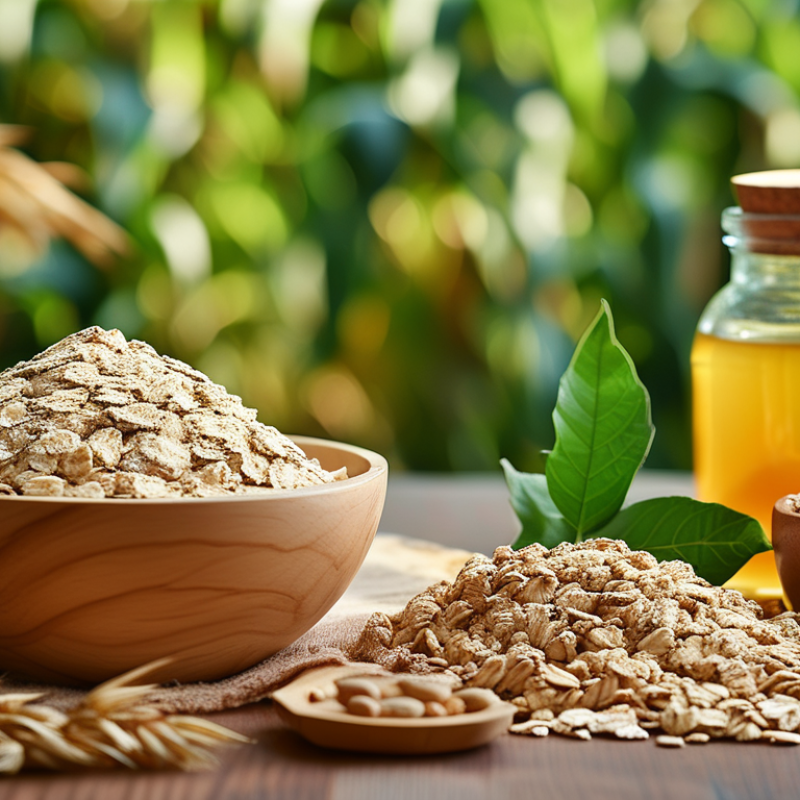
Oat peptide is a water-soluble fraction created when oat proteins are enzymatically hydrolyzed into smaller chains. It is not the same as oat fiber or Oat beta Glucan. That distinction matters. USDA FoodData Central reports about 16.9 grams of protein per 100 grams of raw oats. The same database lists roughly 10.6 grams of fiber. Cultivar and processing can change these values. Peptide yield depends on protein recovery, enzyme selection, hydrolysis degree, and filtration. A pale powder may still hide inconsistent molecular profiles.
Quality matters because peptide size influences solubility, taste, dispersion, and formulation performance. However, clinical evidence for oat peptides remains less standardized than evidence for oat beta-glucan. The EFSA Journal scientific opinion reports that three grams of oat beta-glucan daily can support cholesterol reduction under defined conditions. This evidence should not transfer automatically to oat peptides. Do not confuse marketing language with clinical proof.
For global buyers, a dependable Chinese supplier should provide batch-specific COAs, molecular-weight distribution, protein assay methods, moisture, microbiology, heavy metals, pesticides, allergens, and residual enzyme data. Request retained samples and compare three consecutive batches. Check whether testing uses validated methods and independent laboratories. Moisture-resistant packaging is essential; clumping is an early warning sign. I would question unusually high purity claims without a clear calculation basis. Supplier evaluation is not perfect. Document the uncertainty.
Key Applications of Oat Peptides in Global Industries
Oat peptides are gaining attention across global food, nutrition, and personal care industries. Their practical value depends on solubility, flavor, peptide profile, and processing stability. In beverage trials, formulators may add them to protein drinks, powdered mixes, and nutrition bars. The texture matters. A sample that feels gritty can fail quickly.
Sports and active nutrition products may use oat peptides as part of balanced protein systems. They can complement plant proteins in recovery-oriented formulas without creating strong animal-derived notes. In bakery applications, oat peptides may support protein enrichment in biscuits, cereal snacks, and convenient breakfast products. Oat Glucan Powder is often evaluated alongside them, especially when developers want oat-based fiber positioning and a smoother product story.
Personal care manufacturers are also testing oat peptide ingredients in creams, serums, and cleansing products. Here, dispersibility and odor control become important during heating and mixing. Buyers should request a certificate of analysis, amino acid data, microbiological results, heavy metal limits, allergen statements, and batch traceability. Supplier audits and stability samples provide stronger evidence than a sales description alone. Some pilot batches disappoint. That is normal, but it reveals whether the supplier can adjust particle size, processing conditions, or dosage guidance. Global projects also require a careful review of local ingredient rules, labeling expectations, and documentation before commercial launch.
How to Evaluate an Oat Peptide Supplier in China
Best Oat Peptide Supplier in China for Global Buyers
How to Evaluate an Oat Peptide Supplier in China
A reliable oat peptide supplier should provide more than a polished website. Request a recent certificate of analysis for each production batch. Check peptide content, moisture, ash, microbiological limits, and heavy metals. Ask how oat materials are sourced and stored. Clear lot numbers should connect raw materials, processing records, and final packaging. This traceability matters when products cross borders.
Product samples reveal practical details. Observe solubility in cold water, flavor, color, and sediment after several hours. Confirm the hydrolysis method and whether processing aids are declared. A supplier should explain allergen controls, food safety systems, and export documentation without vague answers. Independent laboratory testing is useful, especially for buyers serving strict markets. A low price can be attractive, but it may reflect weaker testing or inconsistent raw materials. That is not always true.
Tips: Compare at least three suppliers using the same specification sheet. Visit the facility, or arrange a live video audit. Check whether the factory makes the product or only trades it. Review certificates with the issuing organization when possible. Also, test a second batch before signing a long contract. One sample can look perfect. It may not represent regular production. Ask for realistic lead times, packaging options, minimum order quantities, and written handling instructions. Keep every technical promise in the contract.
How to Evaluate an Oat Peptide Supplier in China
Suggested buyer evaluation weights for selecting an oat peptide supplier for global procurement
Quality and safety receive the highest weighting because buyers should verify specifications such as protein content, peptide profile, microbiological limits, heavy-metal testing, allergen control, batch traceability, and certificates of analysis. The remaining criteria cover technical documentation, export compliance, production reliability, customization capability, and supplier communication. These percentages are a practical evaluation framework rather than performance data for any specific company.
Manufacturing Standards and Quality Control Requirements
A reliable oat peptide supplier in China should treat manufacturing standards as daily controls, not decorative certificates. A qualified facility normally follows GMP principles, documented sanitation procedures, and a traceable quality management system. Production rooms should separate raw material handling from peptide processing. Staff need controlled access, protective clothing, and recorded cleaning checks.
For Oat Extract and oat peptide production, raw materials require clear identity and supplier verification. Incoming oats should be tested for moisture, microbial safety, pesticides, heavy metals, and unwanted allergens. Each batch needs a lot number. Traceability should connect the farm documentation, processing records, laboratory results, and final shipment. Temperature and humidity records matter, especially during storage. Small deviations can affect color, solubility, or peptide consistency.
Laboratory testing should include peptide content, moisture, microbiological limits, and relevant contaminant screening. A Certificate of Analysis must match the actual batch, not a copied template. Independent testing can strengthen buyer confidence. Packaging should protect the powder from moisture, light, and accidental contamination. No factory is flawless. A strong supplier admits process gaps, investigates root causes, and records corrective actions. Buyers should review recent audit reports, retention samples, change-control procedures, and complaint responses before placing large orders. Clear communication prevents many quality failures. Testing alone is not enough.
Export Capabilities, Documentation, and Regulatory Compliance
A reliable oat peptide supplier in China should treat export documentation as part of product quality. Experienced teams provide a commercial invoice, packing list, certificate of origin, and batch-specific certificate of analysis. The COA should show peptide content, moisture, microbiological results, heavy metals, and allergen information. Each lot should carry a traceable code. Buyers can match that code with production and testing records.
Export readiness also requires practical warehouse control. Sealed inner bags, moisture-resistant cartons, and pallet photographs reduce avoidable disputes. Suppliers should explain lead times, minimum order quantities, loading ports, and available Incoterms clearly. They should also confirm whether the product is shipped as food, a dietary ingredient, or another permitted category in the destination market. Documentation for Pea Peptide Powder may look similar, but its specifications and labeling requirements are not interchangeable with oat peptides.
Regulatory compliance depends on the buyer’s country and intended use. A responsible supplier can provide ingredient specifications, allergen statements, origin details, and supporting test reports. It should not promise universal approval or make unsupported health claims. In practice, minor document differences can delay customs clearance. Sometimes, even a missing lot number causes questions. Buyers should review labels, certificates, and import rules before shipment. A pre-shipment document check is useful, although it cannot replace local regulatory advice.
Pricing, Packaging, and Supply Chain Considerations
Choosing the best oat peptide supplier in China requires more than comparing a price sheet. Buyers should request production records, peptide specifications, and recent certificates of analysis. USDA Foreign Agricultural Service forecasts global oat production near 23.5 million metric tons for 2024/25. This broad supply base supports competitive raw-material pricing, but processing quality still varies. Enzymatic hydrolysis level, protein content, solubility, minimum order quantity, and Incoterms can change the final quote significantly. A low factory price may hide expensive testing or export charges.
Packaging must protect the powder from moisture, oxygen, and warehouse handling. Common options include 20 or 25-kilogram kraft bags with polyethylene liners, fiber drums, and customized pallets. Ask whether inner liners are heat-sealed. They should be. For supply-chain planning, the World Bank’s 2023 Logistics Performance Index gave China a score of 3.7, showing strong logistics capability, but port delays can still affect delivery windows. Request batch numbers, retain samples, pallet dimensions, loading photos, and a documented traceability process. These details support reliable receiving inspections.
Tips: Compare landed cost, not factory price. Confirm lead times during peak harvest periods. Ask for moisture and microbiological limits. One practical weakness remains: supplier documents may look complete but lack independent verification. Use third-party testing for the first shipment, then review performance after three production lots. That small expense can reveal packaging leaks, inconsistent peptide strength, or unexpected freight assumptions. Sources: USDA FAS Grain: World Markets and Trade, 2024/25; World Bank Logistics Performance Index 2023.
How to Select the Best Oat Peptide Supplier for Your Market
Best Oat Peptide Supplier in China for Global Buyers
How to Select the Best Oat Peptide Supplier for Your Market
Selecting an oat peptide supplier requires more than comparing prices. Start with a clear product specification for your market. Check peptide content, molecular weight distribution, moisture, solubility, and allergen information. Ask for recent batch testing from an independent laboratory. Do not rely only on a polished certificate.
In supplier evaluations, traceability often separates a reliable factory from a trading intermediary. Request raw material origin, processing records, lot numbers, and retention sample policies. A capable supplier should explain its quality system without using vague promises. Review food safety certifications and export documents carefully. Requirements can differ between countries, so confirm them with your local regulatory adviser.
Request samples before signing a large order. Test flavor, color, dispersibility, and stability in your actual formula. A peptide that performs well in water may behave differently in a beverage or nutrition powder. Discuss minimum order quantities, packaging, lead times, and temperature control during shipping. Communication matters too. Slow answers may create larger problems later.
Price is only one factor. Very low offers deserve questions. In practice, some buyers overlook documentation until customs delays the shipment. That mistake is expensive. Another imperfect point is sampling: one batch cannot prove long-term consistency. Ask for multiple lot results when possible, and keep your acceptance standards written and measurable.
Bulk Supply 1% Oat Peptide Liquid: Benefits, Applications, Quality, and Sourcing Guide
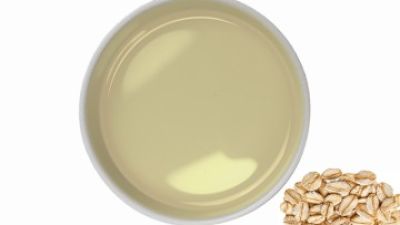
Bulk supply of 1% Oat Peptide Liquid, also known as Avena Sativa Peptide, offers formulators a convenient ingredient for skincare, haircare, and personal-care products. Its pale yellow, transparent liquid appearance supports easy incorporation into serums, lotions, creams, shampoos, and conditioners. Oat-derived peptides are valued for their skin-conditioning and moisturizing support, while helping create gentle formulas suitable for daily-use products. The standard specification is 1% active content, with a 75% powder specification also available upon request for customers seeking a more concentrated format or different processing flexibility.
For reliable sourcing, buyers should confirm specification, batch documentation, packaging, and storage requirements before placing a bulk order. The liquid should be stored in a cool, dry location away from direct light to help maintain quality during handling and transportation. Quality systems and certifications may include cGMP, ISO 22000, ISO 9001, EU and NOP Organic certification, Kosher, BRC, Halal, and HACCP, depending on the required supply program. Shipping can be arranged within approximately 3–5 days, while payment options include T/T, VISA, XTransfer, and Alipay. Product samples, technical documents, and details for the 75% powder specification can be requested for formulation evaluation and procurement planning.
FAQS
: Oat peptides may support protein enrichment in drinks, nutrition bars, biscuits, and breakfast products. Texture matters greatly.
Yes. They may complement plant proteins in recovery-focused formulas. Developers should check taste, solubility, and protein balance.
Manufacturers may test them in creams, serums, and cleansing products. Dispersibility and odor control remain important during mixing.
Request a certificate of analysis, amino acid data, microbiological results, allergen statements, and heavy metal limits.
Review production records, batch traceability, stability samples, and supplier audit results. Sales descriptions are not enough.
Common options include kraft bags with polyethylene liners, fiber drums, and customized pallets. Inner liners should be heat-sealed.
Protein content, hydrolysis level, solubility, order quantity, testing, freight, and delivery terms can change the landed cost.
Not always. A cheaper quote may exclude testing, export charges, or special packaging. Compare landed costs instead.
Independent testing can check moisture, microbial limits, peptide strength, and heavy metals. Small costs may reveal larger problems.
A pilot batch may disappoint. Documents can look complete but still lack independent verification. That deserves careful review.
Conclusion
Oat Peptide is a functional ingredient derived from oats and valued for its nutritional, sensory, and formulation benefits. Its quality depends on factors such as raw material selection, peptide profile, solubility, purity, stability, and consistency between batches. It can support applications in food and beverages, sports nutrition, dietary supplements, cosmetics, and other health-oriented products. For global buyers, understanding the intended market and product function is essential when selecting a suitable specification.
A reliable supplier in China should demonstrate controlled manufacturing processes, documented quality management, product testing, traceability, and compliance with applicable food, supplement, or cosmetic regulations. Buyers should also assess export experience, technical documentation, certificates, labeling support, packaging options, lead times, minimum order quantities, and supply continuity. Transparent pricing should be evaluated together with product quality, logistics, and long-term service rather than considered alone. The best Oat Peptide supplier is one that offers consistent performance, clear communication, flexible solutions, dependable documentation, and the capacity to support the buyer’s target market from sampling through regular production.