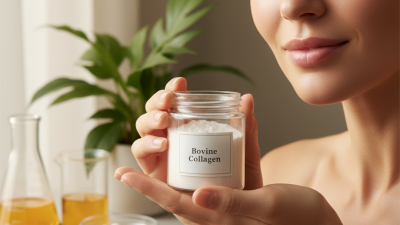
Picking a supplier for hydrolyzed bovine collagen in China isn’t just about comparing prices or skimming through those slick product brochures. You really have to dig into where the collagen comes from, how it’s hydrolyzed, what specs they can offer, and whether the paperwork actually backs it all up. Collagen Hydrolyzed Bovine is usually sold as a powder, but let’s be real—just eyeballing it won’t tell you if it’s the right one, if it’s consistent, or if it’ll actually work in your product. Those little details make all the difference.
You know, Dr. Keith Baar offers a really grounded scientific take here. His lab digs into collagen nutrition and connective-tissue biology, and he’s big on a pretty simple idea: check collagen claims against the actual evidence, not just whatever the marketing says. That’s a good rule to keep in mind when you’re sorting through supplier info, honestly. You should ask them directly for clear ingredient specs, batch-level test results, traceability details, and how exactly they keep product consistency in check. A good technical team will also be upfront about what their documents actually prove—and, just as importantly, what they don't.
Okay, so this guide is basically about what to think through when you're comparing Chinese suppliers—things like how they communicate, how transparent they are about production, their documentation, and whether the product actually fits what you need. I’m not going to tell you one supplier is the best for everyone, because that’s not how it works. Your requirements depend on your application, your target market, and your own quality standards. Honestly, not every supplier is going to make the cut. And some stuff you just can't verify from public materials alone, so you'll want to ask suppliers directly and keep a record of what they say. Honestly, a measured, realistic assessment is way more useful than a confident ranking. You know, it just helps procurement teams spot partners that actually fit — without getting everyone’s hopes too high.
China Best Hydrolyzed Bovine Collagen Suppliers
Hydrolyzed bovine collagen is often specified at 2–5 kDa, but that figure describes a peptide profile, not every molecule in a batch. A 2020 review in Molecules reports that collagen hydrolysates commonly fall around 3–6 kDa, illustrating how source material, enzyme treatment, and measurement methods can shift reported ranges (León-López et al., 2020). The difference is worth checking. A supplier’s headline number means little without a test method and a molecular-weight distribution.
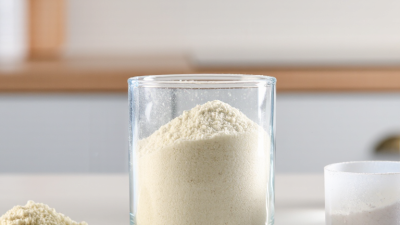
For buyers comparing suppliers in China, ask for batch-specific size-distribution data, ideally measured by size-exclusion chromatography, alongside protein content and microbiological results. A useful report should show the proportion of peptides within the stated range, not only a single average. Short peptides may dissolve quickly in a glass of water, yet solubility alone does not confirm their size or quality. Check the evidence.
Processing conditions can alter taste, odor, and peptide distribution, so request samples from more than one production batch. One limitation remains: test methods do not always produce directly comparable results. A neat 2–5 kDa claim can sound reassuring, but real batches have spread. That detail deserves scrutiny.
Hydrolyzed Bovine Collagen begins with cleaned bovine hides, a collagen-rich by-product of meat processing. Consistent sourcing matters: hide thickness, age, and storage conditions can affect the material entering production. FAO’s 2023 Statistical Yearbook puts the global cattle inventory at roughly 1.5 billion head in 2021. That scale does not guarantee uniform raw materials; traceability still matters.
After pretreatment, collagen is extracted and converted into gelatin. Enzymes then cut its long protein chains into shorter peptides under controlled temperature and pH. The reaction is stopped at a target degree of hydrolysis, then the solution is filtered and dried into powder. Small process changes matter. Gómez-Guillén and colleagues’ 2011 review in Food Hydrocolloids describes collagen hydrolysates as peptide mixtures, often around 3–6 kDa on average. The figure is a guide, not a universal specification.
For buyers, a credible supplier should provide batch-level data, including peptide-size distribution, protein content, moisture, and microbiological results. Ask how the supplier verifies hide origin and controls each processing step. A clear specification helps compare lots, but it cannot erase natural variation. That part deserves scrutiny. A pale powder may look consistent in a sample jar; analytical results reveal more about what is actually inside.
For buyers comparing China-based hydrolyzed bovine collagen suppliers, glycine is a useful composition check. Collagen’s repeating Gly-X-Y sequence places glycine at roughly every third residue. A technical review in Annual Review of Biochemistry describes this structural pattern (Shoulders and Raines, 2009). Mammalian collagen amino-acid analyses also report glycine near one-third of residues (Eastoe, 1955, Biochemical Journal). The exact profile can vary with source material and analytical method.
Ask suppliers for a batch-specific amino-acid profile, not only a headline protein percentage. Check whether glycine is reported as a share of total amino-acid residues or as grams per 100 grams of product; those figures are not interchangeable. Collagen Bovine Hydrolyzed is often sold as peptides, but hydrolysis breaks proteins into smaller chains rather than changing the identity of their amino acids. Details matter. A certificate of analysis should identify the test method and batch. If the glycine value appears unusually low or high, request clarification and supporting laboratory data. One report is not the whole story. Amino-acid composition helps assess material consistency, but it does not, by itself, establish peptide size, purity, or performance in a finished formulation.
Approximate share of amino-acid residues in collagen
Glycine occurs at roughly every third position in the collagen protein sequence. The remaining two-thirds comprises other amino-acid residues; exact composition varies by collagen type and source.
When evaluating China-based suppliers of Hydrolyzed Bovine Collagen Powder, request a batch-specific certificate of analysis, not only a general product specification. Check the protein result, test date, batch number, and analytical method. A nitrogen-based method can help estimate protein, but hydrolysis and free amino acids may affect interpretation. Ask how the supplier verifies the result. Details matter.
Heavy metals need clear limits and credible testing. Request results for lead, cadmium, arsenic, and mercury, with the laboratory method stated. ICP-MS is commonly used for trace-level analysis. Check that the report identifies the same lot being offered. A certificate is useful, but it is not the whole story. Independent verification may be sensible when order volumes or risk levels are high.
Microbiology reports should show actual results, test methods, and sampling dates. Review total aerobic counts, yeast and mold, and relevant specified pathogens against your own product requirements. Powder can be exposed to moisture during handling, so packaging condition and storage records deserve attention too. Ask how samples are collected and retained. Small gaps count. I would also compare several batches before relying on one clean report; consistency is easy to assume and harder to prove.
For buyers comparing China Best Hydrolyzed Bovine Collagen Suppliers, traceability should begin at the animal source, not at the finished powder. Request source-country and species records, slaughterhouse or collection-site identification, and lot links for bones or hides entering production. The WOAH Terrestrial Animal Health Code describes identification and traceability as tools for managing animal-health risks; they do not, by themselves, prove ingredient quality. Ask how each raw-material lot connects to a finished batch. Paper trails can still have gaps.
Processing records should show the hydrolysis date, enzyme or process parameters, filtration steps, and batch-level testing. A certificate of analysis is more useful when its results match the lot number on the product and shipping documents. OECD-FAO Agricultural Outlook 2024–2033 projects global meat consumption to rise about 12% by 2033 compared with the 2021–2023 average. That broader supply-chain growth makes consistent lot control increasingly important, though it says nothing directly about collagen purity. Hydrolyzed Bovine Collagen Peptides buyers should verify identity, protein content, microbiological results, and relevant contaminant tests with dated reports.
Export documentation should reconcile product name, quantity, origin, batch codes, packing list, invoice, and certificate details. Check that manufacturing records support the declared origin and that documents match the shipment, not a generic sample. Keep copies of specifications and test methods. Small gaps matter. A supplier may provide extensive paperwork, yet unclear links between raw material, processing batch, and exported lot deserve follow-up.
Comparing Chinese Suppliers by Certifications, Testing, Capacity, and Lead Time
Choosing a Chinese supplier takes more than comparing price per kilogram. Grand View Research estimated the global collagen market at USD 5.1 billion in 2023, with an 8.3% projected annual growth rate through 2030. That growth makes documented quality controls especially important. Check whether certifications cover the actual manufacturing site and collagen process, not just an affiliated office. Ask for current audit dates and the certificate’s scope. Small details matter.
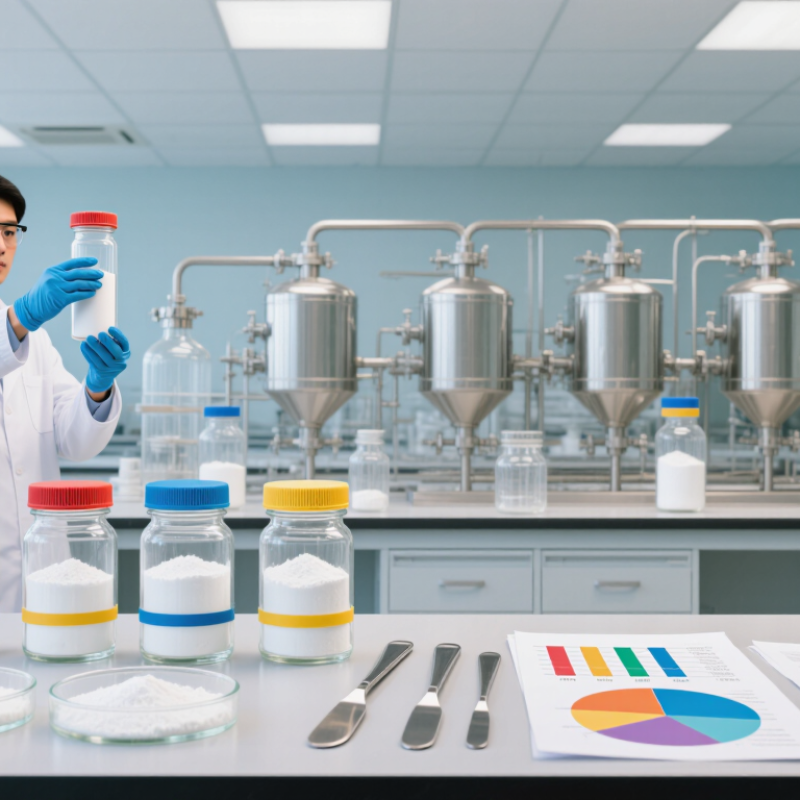
Testing should match the intended application. Request batch-specific results for protein, hydroxyproline, molecular-weight distribution, microbiology, and heavy metals. Confirm the laboratory’s methods and whether it holds ISO/IEC 17025 accreditation for relevant tests. A neat certificate of analysis is not enough; compare it with an independent sample when possible. Capacity also needs evidence: ask about monthly output, typical batch size, and production during peak seasons. A quoted capacity can look impressive while concealing bottlenecks. Ask for evidence.
Lead times should separate sample approval, manufacturing, testing, and shipping. Request recent on-time delivery records, plus written timelines for both stocked and made-to-order material. I would still treat a polished audit sheet as incomplete evidence; production records and lot-level test results tell a fuller story. A small pilot order can reveal gaps before a larger commitment.
China Best Hydrolyzed Bovine Collagen Suppliers
Choosing a bovine collagen supplier starts with the intended use, not a broad “premium” claim. A clear beverage may need fast dispersion and low odor; a capsule blend may prioritize powder flow and a defined peptide profile. Ask for the molecular-weight distribution, test method, protein assay, moisture, ash, and microbiological results. Method matters: two suppliers can report different distributions if their measurement approaches differ.
Batch consistency is practical, not cosmetic. Request certificates of analysis from several recent lots, then compare key values rather than reviewing one polished sample. Check whether the supplier retains samples and can trace each lot to its raw material and production record. Grand View Research estimated the global collagen market at USD 9.1 billion in 2022 and projected a 9.0% compound annual growth rate for 2023–2030. That market estimate signals rising demand, but it does not verify any supplier’s quality. Ask for evidence.
Application claims also need nutritional context. The FAO report Dietary Protein Quality Evaluation in Human Nutrition (2013) explains the use of digestible indispensable amino acid scoring to assess protein quality. Bovine collagen is not a complete protein, so it may not suit products that rely on one ingredient to provide all essential amino acids. Request amino-acid data alongside solubility and sensory checks. A tidy specification sheet helps. It is not the whole story. Temperature, pH, and mixing time can change performance, so test the ingredient in the actual formula before approving routine orders.
Use this matrix to compare suppliers against your product’s intended application. The figures below are indicative buyer-side screening targets, not claims about any specific supplier or universal regulatory limits; confirm the required specification and test method for each destination market.
| Application | Indicative Product Specifications | Batch Consistency Checks | Supplier Evidence to Request |
|---|---|---|---|
| Powdered dietary supplements | Request a defined protein assay and reporting basis; a buyer may screen for protein around 90% or higher on a dry basis. Specify the desired molecular-weight distribution rather than relying on a single average value. | Compare protein, moisture, ash, molecular-weight profile, color, odor, and solubility across multiple production lots. Agree written acceptance limits before ordering. | Recent lot-specific certificates of analysis (COAs), test methods, traceability records, and documentation supporting applicable food-safety and destination-market requirements. |
| Ready-to-mix drinks and beverage powders | Set requirements using the finished beverage’s pH, processing conditions, and serving temperature. Test dispersion, dissolution time, clarity or turbidity, and taste in the actual formula; performance depends on the peptide profile and formulation. | Run the same in-house dissolution and sensory protocol on samples from different lots. Check for changes in sediment, foaming, odor, and appearance after processing and storage. | Representative samples from more than one lot, product-specific application data, and written confirmation of any processing or formulation limitations. |
| Capsules and tablets | Evaluate protein content, moisture, particle size, bulk density, flow, and compatibility with the intended excipients and manufacturing process. Define limits according to equipment and dosage-form requirements. | Check lot-to-lot variation in particle size, density, moisture, and flow using agreed methods. Confirm that pilot runs produce consistent filling or compression performance. | COAs, particle-size and bulk-density data, packaging and storage conditions, and samples suitable for a production-scale trial. |
| Food bars, gummies, and other formulated foods | Assess solubility or dispersion, flavor and odor, color, moisture, and behavior under the product’s heat, pH, and storage conditions. Set functional criteria for the finished product rather than assuming all hydrolysates perform identically. | Compare pilot batches made with separate supplier lots. Track texture, processing behavior, sensory results, and stability against agreed reference samples. | Application samples, lot traceability, shelf-life and storage information, and a documented change-notification process for raw materials or production conditions. |
| General procurement and supplier qualification | Specify bovine source and relevant origin documentation, hydrolysis type where disclosed, appearance, odor, protein, moisture, ash, solubility, packaging, and shelf life. Set microbiological and contaminant limits according to applicable regulations and product risk assessment. | Review COAs from several consecutive lots and independently verify selected parameters. Agree a written specification, sampling plan, retest procedure, and process-change notification terms. | Facility and quality-system information, audit or assessment records as appropriate, batch traceability, relevant test reports, and documentation required for the intended market. |
Comparison note: Request the same specification, analytical methods, and recent lot records from every prospective supplier. Confirm all acceptance limits, certifications, and regulatory documents directly before purchase.
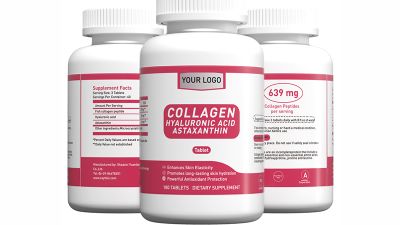
Collagen Hyaluronic Acid Astaxanthin Tablets combine three popular ingredients in a convenient daily tablet format. Collagen is commonly included in beauty and wellness routines, while hyaluronic acid is valued for its role in helping maintain skin hydration. Astaxanthin, a naturally occurring antioxidant, adds another appealing ingredient to the formula. Individual needs and results vary, so the product should be presented with clear, responsible usage information rather than promises of specific outcomes.
For retailers and distributors, this formula offers a flexible option for developing a private-label supplement line. Each serving is three tablets, with 60 servings per container and 180 tablets total. Full OEM and ODM customization is available, alongside bulk wholesale options, allowing businesses to tailor product details and packaging to their market needs. Payments can be made by T/T, VISA, Alipay, or XTransfer, and shipping options include DHL, FedEx, and air or sea freight.
It describes a peptide-size profile, not every molecule in the powder. Collagen hydrolysates are also reported around 3–6 kDa. The range can vary with processing and testing methods.
Hide quality, enzyme treatment, and measurement methods can affect reported values. A single average may hide the peptide-size spread. Ask how the result was measured. Not glamorous, but important.
Request batch-specific size-distribution data, preferably measured by size-exclusion chromatography. Ask for protein content, moisture, and microbiological results, too. Reports should identify the tested lot.
Ask for source-country and species records, plus links between raw-material lots and finished batches. Traceability helps track material. It does not prove quality by itself.
Cleaned hides are processed into collagen, then gelatin. Enzymes cut long protein chains into shorter peptides under controlled conditions. The mixture is filtered and dried into powder. Small changes matter.
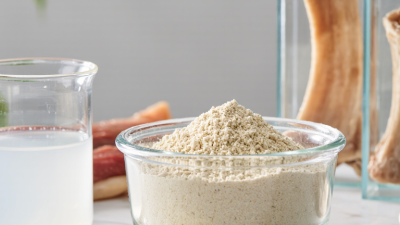
No. A spoonful may dissolve quickly in a glass of water, but solubility alone confirms neither size nor quality. A clear glass can be misleading.
Temperature, pH, and enzyme treatment can influence peptide distribution, taste, and odor. Request samples from more than one production batch. A pale powder proves little.
Check that the product name, quantity, origin, batch codes, and certificate details agree across shipment documents. Ask for dated, batch-matched test reports. Paperwork can still have gaps.
Hydrolyzed bovine collagen is produced by extracting collagen from bovine hides and using enzymes to break it into smaller peptides, commonly ranging from 2–5 kDa. These peptides are valued for their solubility and versatility in food, beverage, and nutritional applications. Glycine is a major component of collagen, making up roughly one-third of its amino acid residues. The term Collagen Hydrolyzed Bovine refers to this processed form, but product characteristics can vary depending on raw materials and manufacturing methods.
When evaluating suppliers in China, buyers can review protein content, heavy-metal levels, microbiological results, source traceability, and export documentation. Certifications, testing procedures, production capacity, and lead times also help distinguish suppliers. The best choice depends on the intended application, required specifications, and the supplier’s ability to maintain consistent quality across batches. Requesting clear technical data and recent batch test results can support a more informed comparison.