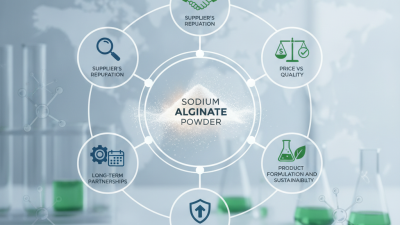
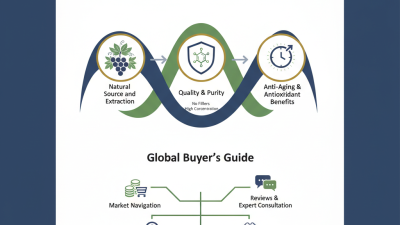
Have you noticed how Sodium Alginateis really making waves lately? It's become pretty popular across a bunch of industries—especially in food, pharma, and cosmetics. I read somewhere that, according to this recent report from Allied Market Research, the global market for sodium alginate could hit around $1.1 billion by 2025. A big reason? Its growing range of uses. If your company is looking to buy in bulk, though, it’s really important to get a good handle on how to find trustworthy suppliers.
Dr. Emily Johnson, who’s pretty much a go-to expert on polysaccharides, mentioned that "The versatility of sodium alginate makes it a key ingredient in so many sectors." That really highlights just how important it is to make smart purchasing choices. When you're hunting for suppliers, factors like quality, where they source from, and the price really matter. Building good relationships with reputable vendors can make all the difference in staying reliable and effective in your operations.
Buying Sodium Alginate isn’t always a walk in the park, though. For many businesses, figuring out if a supplier is legit or if the product is top notch can be tricky. Doing your homework is crucial—take a look at certifications, read reviews, and don’t be afraid to ask questions. Not every supplier will check all your boxes, and that’s okay. The key is to approach this carefully so you end up with the best materials for your needs, without getting lost in all the industry jargon or shady deals. So, yeah, a little due diligence goes a long way in navigating the sodium alginate world.

Understanding Sodium Alginate: Properties and Applications in Industry
Sodium alginate is a natural polysaccharide derived from brown seaweed. It has unique properties that make it valuable across various industries, particularly in food, pharmaceuticals, and textiles. Its gel-forming capability allows it to create stable emulsions, making it a popular thickening and gelling agent.
In the food industry, sodium alginate is often used in molecular gastronomy. For example, it helps create caviar-like spheres due to its ability to form gels in the presence of calcium ions. According to market research, the global sodium alginate market was valued at over $500 million in 2020, and it is projected to grow as food trends evolve. In pharmaceuticals, it acts as a stabilizer and drug delivery agent, demonstrating its versatility and importance.
Tip: When sourcing sodium alginate, consider the viscosity grades for your specific applications. Not all grades are suitable for food or pharmaceutical use.
Despite its many benefits, sodium alginate can also have drawbacks. It can be sensitive to pH changes and may not gel as effectively in certain conditions. Understanding the specific requirements for your application is crucial.
Tip: Experiment with different concentrations before scaling up. Small changes can significantly impact the final product's quality.
Market Trends: The Demand for Wholesale Sodium Alginate
The demand for wholesale sodium alginate is rising rapidly across various industries. This increases interest in Sodium Alginate Powder, often used for thickening and gelling in food production. It plays a crucial role in creating textures that appeal to consumers. Recent trends indicate a growing interest in plant-based and natural products, driving up the demand for sodium alginate.
Manufacturers look for reliable sources of sodium alginate powder. Businesses often face challenges in sourcing high-quality suppliers. The inconsistency in product quality can lead to disappointing results. It's essential to analyze potential suppliers' certifications and production methods. Understanding the market landscape helps businesses make informed decisions.
Price fluctuations also impact the purchasing process. Small fluctuations can disrupt budgets and forecasts. Evaluating market trends, such as competition and raw material costs, is vital. This can help companies secure better pricing. Overall, the evolving landscape of sodium alginate highlights the importance of strategic sourcing and market awareness.
Identifying Reliable Suppliers for Sodium Alginate Bulk Purchases
Identifying reliable suppliers for sodium alginate can be challenging yet crucial for your business. After all, sodium alginate is widely used in food, textile, and cosmetic industries. You need suppliers who understand quality and can deliver consistently.
Start by researching suppliers with certifications. Look for those that comply with international quality standards. An ISO certification is a good sign of a supplier’s commitment. Checking reviews from other businesses can also provide insight. A few negative reviews should raise a flag, but don’t dismiss a supplier over one comment.
Consider contacting potential suppliers directly. Ask about their sourcing methods and production processes. Reliable suppliers will gladly share this information. Transparency indicates commitment to quality. Don’t hesitate to request samples before placing bulk orders. This step can prevent future disappointments. Ultimately, a thorough vetting process can lead you to trustworthy partners in your sodium alginate procurement journey.
Evaluating Quality Standards and Certifications for Sodium Alginate
When purchasing wholesale sodium alginate, quality standards are crucial. Sodium alginate is derived from brown seaweed and is commonly used in food, pharmaceuticals, and cosmetics. The purity of sodium alginate can significantly impact its performance in various applications. According to industry reports, a quality sodium alginate should have a minimum purity of 90%. Products exceeding 95% purity offer even better functionality.
Certifications play a vital role in ensuring the quality and safety of sodium alginate. Look for certifications like Food and Drug Administration (FDA) approval and Good Manufacturing Practices (GMP). These ensure that the product meets stringent safety protocols. In addition, ISO certifications highlight the manufacturer's adherence to international quality standards.
However, not all suppliers display their certifications clearly. It's important to verify these claims. Request documentation to ensure compliance. Also, fluctuations in alginate quality arise based on its source and extraction methods. Conducting thorough testing and quality evaluations before making large purchases can help mitigate risks related to inconsistent quality. Ultimately, investing time in supplier evaluations can enhance product reliability for your business.
Comparative Pricing: How to Assess Cost-Effectiveness in Wholesale Deals
When purchasing wholesale sodium alginate, cost-effectiveness is crucial. You need to compare different suppliers carefully. Start by gathering quotes from multiple sources. Analyze the pricing while considering shipping costs. Sometimes, a cheaper price may not account for hidden fees. A reliable supplier should provide transparent pricing.
Assess the quality of sodium alginate alongside its cost. Sometimes, lower prices indicate inferior quality. Look for suppliers who offer certifications or quality assurance. Check their experience in the industry. This will help ensure you receive a product that meets your needs. It may be worth investing a bit more for a trusted supplier.
Additionally, consider the supplier's customer service. Prompt responses can indicate a reliable partner. You might face challenges during large orders, and good support is valuable. Reflect on past experiences with suppliers. Did they meet your expectations? Did they provide timely deliveries? Such reflections can guide your future purchasing decisions. In the world of Alginate Oligosaccharide, quality matters. The right choice can enhance your business outcomes significantly.
Logistics and Shipping Considerations for Sodium Alginate Procurement
When procuring sodium alginate, logistics and shipping can significantly impact your business operations. Understanding these factors ensures timely delivery and minimizes disruptions. Transportation timeframes vary, often influenced by supplier location and shipping methods. According to industry data, sea freight can take several weeks, while air freight is quicker but more costly. This balancing act between price and speed is crucial for maintaining supply chain efficiency.
Proper packaging is essential for sodium alginate to prevent moisture absorption. Suppliers typically use moisture-proof bags, which help maintain product integrity during transit. Research indicates that improper storage and handling can lead to a 10% loss in efficacy. Businesses must be vigilant about choosing reliable shipping partners who understand the nuances of transporting sensitive materials like Sodium Caseinate and sodium alginate.
Unexpected delays often arise from customs clearance. Documentation must be accurate and complete to prevent holds. Transparency with your supplier can alleviate potential issues. Companies that invest time in logistics planning tend to experience fewer disruptions, enhancing overall reliability in product delivery. Hence, evaluating logistics strategies should be a priority for businesses aiming to procure sodium alginate effectively.
How to Buy Wholesale Sodium Alginate for Your Business Needs? - Logistics and Shipping Considerations for Sodium Alginate Procurement
| Supplier Location | Minimum Order Quantity (kg) | Shipping Options | Estimated Delivery Time (Days) |
| China | 500 | Air Freight, Sea Freight | 10-20 |
| USA | 200 | Ground Shipping, Air Shipping | 5-12 |
| India |
300 | Sea Freight, Air Freight | 7-15 |
| Germany | 400 | Express Shipping, Standard Shipping | 3-8 |
| Brazil | 250 | Air Freight, Sea Freight | 12-18 |
Sodium Alginate Regulations: Compliance for Different Industries
Sodium alginate is a versatile ingredient used in various industries, including food, pharmaceuticals, and cosmetics. Compliance with regulations is crucial for businesses sourcing this compound. Each industry has specific guidelines regarding purity, sourcing, and labeling, mandated by agencies like the FDA and EFSA. For instance, food-grade sodium alginate must have stringent quality controls to ensure safety. A report from the Food Chemicals Codex states that food-grade versions should have a minimum purity of 90%.
Understanding the regulations can be daunting. Businesses should focus on sourcing sodium alginate from reputable suppliers who adhere to good manufacturing practices (GMP). Establishing these connections can provide access to more reliable products.
Tip: Always verify the supplier’s certifications before making a purchase. This prevents potential compliance issues later.
Another crucial factor is the handling of sodium alginate in production. Each industry has unique storage requirements, impacting the quality of the product. For example, pharmaceutical applications may require vacuum-sealed containers to maintain integrity. According to recent studies, improper storage can reduce the effectiveness of Sodium L-Aspartate when used as an excipient.
Tip: Set strict storage protocols. This ensures that sodium alginate remains viable for your specific applications.
Businesses should strive for clarity in their sourcing strategies to avoid costly errors. Comprehensive knowledge of sodium alginate regulations can foster a more compliant and successful operation.
FAQS
: Sodium alginate is a natural polysaccharide derived from brown seaweed.
It is used in food, pharmaceuticals, and textiles for its unique properties.
It acts as a thickening and gelling agent, especially in molecular gastronomy.
The quality affects the final product, especially in food and pharmaceuticals.
Look for suppliers with certifications, preferably ISO, indicating quality commitment.
Yes, it can be sensitive to pH changes and may not gel effectively under some conditions.
Experiment with different concentration levels to find what works best for your application.
Always request samples to ensure quality before committing to larger purchases.
A few negative comments might not disqualify them, but consider them carefully.
Suppliers willing to share their sourcing and production details are often more reliable.
Conclusion
Sodium Alginate is a versatile substance widely used across various industries, owing to its unique properties and applications. This article addresses crucial factors for businesses looking to purchase wholesale Sodium Alginate, including the current market trends indicating rising demand, and the importance of identifying reliable suppliers for bulk purchases. Businesses must evaluate quality standards and certifications to ensure they receive a product that meets industry requirements.
Furthermore, assessing cost-effectiveness in wholesale deals is essential for maximizing value. Logistics and shipping considerations are also discussed, as they play a vital role in the procurement process. Lastly, the article highlights the importance of compliance with Sodium Alginate regulations across different industries to ensure safe and legal usage. By understanding these key aspects, businesses can make informed decisions regarding their Sodium Alginate needs.