Leave Your Message

Reasons for contact:

Where are you in your project?

Product Type(s) of Interest

0%

Picking a trustworthy supplier for Bovine Collagen Peptides is more than just comparing prices or browsing a fancy product page. Buyers from around the world really need solid proof that the quality stays consistent, supply is reliable, and communication isn’t a nightmare. Little things often make all the difference—things like a certificate of analysis for each batch, clear lot codes, and packaging that keeps the powder safe from moisture during shipping.

Don't forget to ask where and how the collagen is sourced and processed. It’s totally worth requesting documentation that backs up those answers. Take a close look at the specs—things like how much protein is in there, how well it dissolves, and any microbiological or contaminant testing. And make sure those test results match the actual batch you’re thinking about buying, not just some generic sample. Traceability and consistency are key—you want to know exactly what you’re getting and that it’s the same every time.

Of course, the commercial details matter too. Check out the minimum order quantities, how fast they can produce, whether you can get samples to test first, and if they keep you in the loop with updates on shipping. A sample might dissolve perfectly in a glass of water, but larger runs can sometimes show differences—like changes in color, smell, or how it performs during processing. Don’t overlook this stuff. It’s worth chatting about it upfront before locking in a deal.

The term Collagen Bovine Peptides can show up in supplier catalogs in different grades, formats, or for various uses. It’s important to compare apples to apples and verify their claims with up-to-date technical info. No single checklist can clear up every doubt, and having a confident conversation about their sales pitch doesn’t mean you fully trust it. This guide is just a practical way to help you ask sharper questions, spot gaps for follow-up, and really evaluate your options. Remember, the biggest company isn’t always the best choice—you want a supplier whose evidence, service, and capacity actually match what you need.
Top Bovine Collagen Peptides Suppliers for Global Buyers

What Bovine Collagen Peptides Are and How They Are Produced

Bovine Collagen Peptides are small protein fragments made by breaking down collagen from cattle. Collagen is found in connective tissues, including skin, bones, and cartilage. Hydrolysis makes the protein easier to disperse in liquids than intact collagen. It does not make every product identical. The starting tissue and processing conditions can affect the final peptide profile, color, and taste.

Production typically begins with cleaned, traceable bovine materials. The collagen is extracted, filtered, and treated with enzymes that cut long protein chains into smaller peptides. The mixture is then concentrated and spray-dried into a powder.

Small details matter. Temperature, enzyme activity, and drying time require careful control; a change in any of them may alter the product’s properties.

Manufacturers commonly test for protein content, moisture, microbiological quality, and other relevant specifications. Buyers can review these results alongside sourcing and batch records.

Even with testing, natural raw materials can vary, so a neat specification sheet should not replace questions about process controls and consistency.

Key Quality Standards for Evaluating Bovine Collagen Peptides

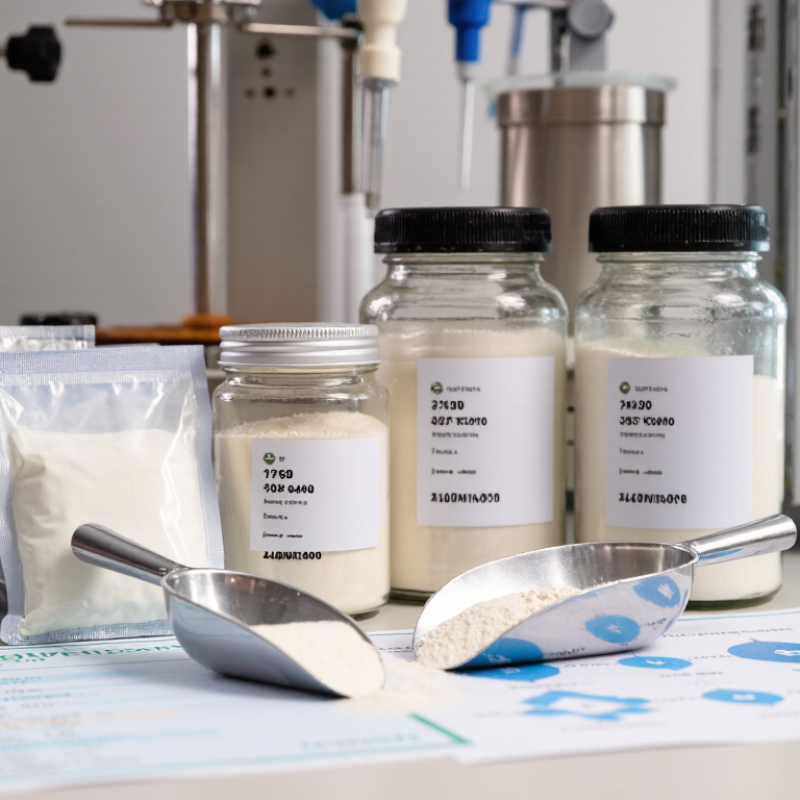
For global buyers, evaluating Hydrolyzed Bovine Collagen Peptides starts with verified identity and consistent batch data. A certificate of analysis should report protein content, moisture, ash, and microbiological results. Ask which test methods were used; numbers are difficult to compare when methods differ. Details matter. A clear specification should also describe solubility, odor, color, and peptide-size distribution. These properties can affect formulation and handling, even when basic protein values look similar.

Traceability deserves equal attention. Buyers should review documentation for bovine origin, processing controls, and lot identification, then check whether supplier records match the shipment. Request current testing for relevant contaminants, including heavy metals, and confirm that limits align with the intended market and application. Ask for evidence. One overlooked point is sampling: a passing result represents the tested sample, not automatically every part of a lot. Independent verification can help resolve uncertainty, though it adds time and cost. Compare suppliers using the same specification and review changes across multiple batches, not just a polished sample. Some variation is normal; unexplained variation is worth questioning.

Top Bovine Collagen Peptides Suppliers for Global Buyers - Key Quality Standards for Evaluating Bovine Collagen Peptides

Use these criteria to assess supplier capability and product suitability. Numerical targets are common buyer specifications, not universal legal limits; confirm requirements for the product, intended use, and destination market.

Evaluation Dimension Useful Buyer Benchmark Evidence to Request Why It Matters Supplier Review Questions
Product identity and composition Confirm the material is hydrolyzed bovine collagen peptides. A protein target of at least 90% on a dry basis is commonly specified, but should be agreed in the product specification. Current specification, batch certificate of analysis (CoA), and a suitable protein test method, such as a validated Kjeldahl or Dumas method. Verifies that the supplied ingredient matches the agreed product type and composition. Is protein reported on an as-is or dry basis? How is the result measured?
Source and traceability Document bovine species, country or region of origin, raw-material type, and traceability from incoming material to finished batch. Origin statement, traceability procedure, batch records, and applicable animal-health or export documentation. Supports supply-chain transparency and destination-market import checks. Can each finished batch be linked to its raw-material origin and production records?
Molecular-weight profile Set a target range suited to the application; collagen peptide products commonly have low molecular weights, often in the several-thousand-dalton range. The distribution matters, not only an average value. Molecular-weight distribution data and the analytical method, such as size-exclusion chromatography with an appropriate detection system. Hydrolysis conditions affect peptide size, solubility, and product performance. What proportion falls within the agreed range, and how is the distribution tested?
Moisture and ash Many buyers set moisture at no more than about 8% and ash at no more than about 2%; agree limits based on the product grade and application. Batch CoA with test methods and results for moisture and ash. These measures help assess powder composition, consistency, and storage suitability. Are limits and test methods consistent across the specification and CoA?
Microbiological quality Set limits appropriate to the product category and destination rules for total aerobic count, yeast and mould, and specified pathogens. Require absence of relevant pathogens in the stated test portion where applicable. Batch microbiological results, sampling details, test methods, and documented hygiene controls. Confirms that the product meets the buyer's microbiological requirements and intended-use conditions. Which organisms are tested, at what frequency, and against which market-specific limits?
Heavy metals and contaminants Define limits for relevant elements, including lead, cadmium, mercury, and arsenic, according to applicable law and the buyer's risk assessment. Recent test reports from a qualified laboratory; ICP-MS is a commonly used method for elemental analysis. Limits and reporting requirements differ by jurisdiction and product category. Are results reported for each batch or under a documented periodic testing plan?
Food-safety system and audits Look for a documented food-safety maNAGement system and applicable third-party certification, such as an FSSC 22000- or BRCGS-recognized programme, where relevant to the facility and buyer. Current certificate, scope, issuing body, audit status, and corrective-action process. A certificate is useful only when its scope and validity cover the relevant manufacturing site and activity. Does the certification cover the actual production site and collagen-peptide processing?
Batch consistency and change control Require defined acceptance limits for key parameters and documented approval of changes to raw materials, processing, or specifications. Several recent CoAs, batch release procedures, deviation records, and change-control policy. A stable specification reduces variation between orders and supports qualification of the ingredient. How are out-of-specification results investigated, and how are customers notified of changes?
Solubility, sensory, and application fit Evaluate solubility, clarity where relevant, odour, colour, and taste against the buyer's finished-product requirements. Representative samples, agreed test protocol, and application trials under the intended processing conditions. Performance can vary with peptide profile, formulation, temperature, pH, and processing conditions. Can the supplier provide technical guidance and sample material for application testing?
Documentation and market suitability Confirm required documents for the intended market, which may include a specification, CoA, allergen statement, GMO statement, country-of-origin declaration, and applicable religious or dietary certificates. A current, controlled document set and certificates that match the product and manufacturing site. Requirements depend on local law, customer policies, and the product's intended use. Which documents are available, and how often are they reviewed and renewed?
Packaging, shelf life, and logistics Check food-contact packaging suitability, moisture protection, lot identification, storage instructions, and a shelf life supported by stability information. Packaging specification, label example, storage conditions, shelf-life support, and shipping or handling procedures. Packaging and handling affect traceability and help protect powder quality during transport and storage. How are lot codes, storage requirements, and transport conditions maintained through delivery?

Types of Bovine Collagen Peptide Suppliers in the Global Market

Global buyers usually encounter three types of bovine collagen peptide suppliers: direct manufacturers, ingredient distributors, and contract processors or exporters. Direct manufacturers operate hydrolysis and drying lines, so they may provide clearer batch records and technical data. Ask whether peptide size distribution, protein content, and microbiological results are tested for each lot. Details matter.

Distributors often hold stock closer to customers and can consolidate smaller orders across product grades. They may suit buyers needing flexible volumes, but the original production site should remain identifiable. Request a recent certificate of analysis, source documentation, storage conditions, and a sample matching the quoted specification. Paperwork can look complete. Compare the lot number on the sample, documents, and shipment; mismatches deserve clarification before purchase.

Contract processors and export-focused suppliers may coordinate custom specifications, packaging, or freight while relying on partner facilities for production. Confirm who controls quality release and how changes in raw materials or processing are communicated. Ask practical questions: can the supplier explain solubility in a cool-water drink, or provide handling guidance for humid warehouses? Not every answer will be neat. That is useful to notice.

How to Compare Suppliers by Origin, Specifications, and Capacity

Global buyers should compare Bovine Collagen suppliers by origin, documentation, and production consistency. Ask which animal sources are used and whether origin records can be linked to each lot. A clear answer matters. Traceability should cover the raw material, processing site, and finished batch. Request recent test reports, not only a general product brochure.

Specifications need to match the intended use. Compare protein content, moisture, solubility, particle size, and microbiological limits using the same units and test methods. Check whether results apply to a specific lot. If a specification sheet omits a method or testing frequency, ask for clarification. Small gaps can slow approval later. Capacity also deserves careful review. Ask about standard lead times, minimum order quantities, and how the supplier handles seasonal demand. A large stated capacity does not always mean steady availability.

Tips: Request a sample and review its documents together. Confirm packaging sizes, storage conditions, and shipment timelines in writing. Compare at least two production lots when possible. Supplier comparisons are not perfectly tidy; figures may use different methods, and follow-up questions take time. Still, that extra checking can reveal whether the quoted product fits your process.

International Certifications and Regulatory Requirements for Buyers

For global buyers, certification is only a starting point. Ask suppliers for current certificates covering the actual production site and collagen process, not just the company’s headquarters. ISO 22000 or a recognized food-safety scheme can support review, while HACCP records should show controls for raw hides or bones, heat treatment, drying, and foreign material. Check the certificate’s scope and expiry date. Small details matter.

Requirements vary by destination. In the United States, applicable facilities must meet FDA food-safety requirements, and importers may have Foreign Supplier Verification Program duties. In the European Union, buyers should verify relevant hygiene and animal-by-product controls, including applicable rules under Regulations (EC) No 852/2004 and 1069/2009. Request veterinary and origin documents where required, plus batch-level traceability and test results. WHO’s 2015 food-safety estimates reported 600 million foodborne illnesses and 420,000 deaths worldwide each year; the figures underscore why supplier controls deserve scrutiny. For Pure Bovine Collagen, review species, country of origin, microbiological results, and contaminant specifications against the destination market. Paperwork can look complete while a lot code fails to link back to its source. Verify a real batch trail before placing a large order.

Shipping, Documentation, and Supply Chain Considerations for Global Orders

Global orders of bovine collagen peptides depend on more than a competitive quote. Ask suppliers to confirm production lead time, available lot size, and dispatch location before booking freight. Small details matter. Request a current certificate of analysis tied to the specific lot, along with product specifications and country-of-origin information. Health or export certificates may also be needed, depending on the destination and product use. Have the importer or customs broker review the documents before shipment. Batch numbers and product descriptions should match across the invoice, packing list, and certificates.

Packaging and routing deserve equal attention. Collagen peptides are shipped as dry powder, but moisture exposure can still cause caking or complicate handling. Confirm sealed inner liners, intact outer bags or drums, pallet protection, and container cleanliness in writing. Ask for estimated transit time, planned transshipment points, and a clear process for delays or damaged cargo. Keep a retained sample from each received lot, then compare its label and appearance with supplier records. That takes effort. One awkward reality: schedules sometimes shift, and paperwork can arrive late even with an experienced supplier. Build buffer time into launch plans; a few missing pages can hold up an entire production run.

A Practical Guide to Factory Supply Hydrolyzed Collagen Powder

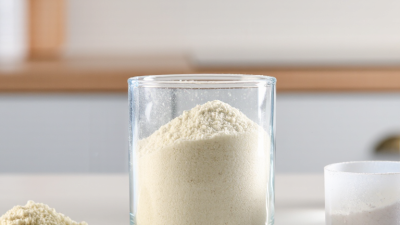
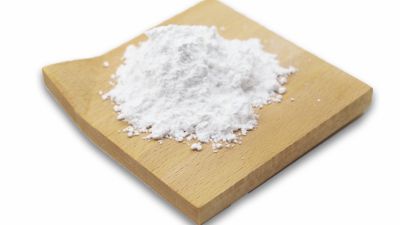
Factory supply hydrolyzed collagen powder is designed for manufacturers seeking a practical ingredient for cosmetic and food formulations. Its white powder appearance supports easy handling and blending into suitable product systems. With cosmetic and food grades available, buyers can select the option that best fits their intended application and formulation requirements. The product is identified by CAS 92113-31-0, and specifications should be reviewed to confirm suitability for each finished product.

When evaluating a supplier, consider documentation, consistency, and delivery planning alongside the ingredient itself. Available certifications include cGMP, ISO 22000, ISO 9001, EU and NOP Organic, Kosher, BRC, Halal, and HACCP, subject to the applicable product and documentation scope. Shipping time is typically 3–5 days, while the stated shelf life is 24 months. Request current specifications and relevant certificates before placing an order, and store the powder according to the supplier’s handling guidance to help maintain its quality throughout its shelf life.

FAQS

What are bovine collagen peptides?

They are small protein fragments made by breaking down collagen from cattle. Hydrolysis helps them disperse in liquids.

How are the peptides produced?

Cleaned bovine materials are processed to extract collagen. Enzymes cut long protein chains into smaller peptides. The mixture is filtered, concentrated, and spray-dried into powder. Small details matter.

Why can products differ between batches?

Starting tissues and processing conditions can affect peptide profile, color, and taste. Temperature, enzyme activity, and drying time also matter. Natural materials vary.

What documents should buyers request?

Ask for recent test reports, sourcing records, and batch information. Check whether records connect the raw material, processing site, and finished lot. A tidy sheet can still leave gaps.

Which specifications should buyers compare?

Compare protein content, moisture, solubility, particle size, and microbiological limits. Use the same units and test methods. Ask which lot the results describe.

How can a buyer check traceability?

Ask which animal sources are used and whether origin records link to each lot. Confirm that traceability covers processing and the finished batch. Be specific.

What should buyers ask about production capacity?

Confirm standard lead times, minimum order quantities, and plans for seasonal demand. Large stated capacity does not guarantee steady availability.

How should buyers evaluate a sample?

Review the sample alongside its documents. Confirm packaging, storage conditions, and shipment timelines in writing. One sample is useful, not conclusive. Compare two lots when possible.

Conclusion

Bovine Collagen Peptides are protein ingredients produced by processing bovine collagen into smaller, soluble peptides. For global buyers, evaluating a supplier starts with understanding the product’s origin, production approach, and specifications, including peptide profile, solubility, and consistency between batches. Quality systems and clear testing documentation can help buyers assess whether a product fits its intended application and internal requirements.

Supplier comparisons should also consider production capacity, supply continuity, international certifications, and the documentation available for import and quality review. Before placing an order, buyers can confirm that product specifications and supporting records align with the requirements of their destination market. Shipping terms, packaging, lead times, customs paperwork, and communication throughout the supply chain are also important. A careful review of these factors can support reliable purchasing decisions and help establish a practical, long-term supply relationship.
Ethan

Ethan

Ethan is a dedicated marketing professional at Shaanxi Yuantai Biological Technology Co., Ltd., where he plays a pivotal role in promoting the company's extensive range of products. With a deep understanding of plant extracts, nutritional supplement raw materials, cosmetic raw materials, organic......
Previous Who Is the Best Beta Hydroxybutyrate Supplier in 2026?