Leave Your Message
- Phone
- E-mail
- Whatsapp
- WeChat
Ever wonder what makes carrots orange, or why some fruit-flavored sNACks look so bright and shiny? That’s often thanks toBeta Carotene. It gives foods their yellow, orange, or red color—from the warm tone of a drink to the glossy surface of a fruity product. But it’s not just about looks. It’s also a provitamin A carotenoid, meaning your body can turn some of it into vitamin A. That’s the stuff that helps keep your vision sharp and your immune system running smoothly. How much actually gets converted really varies from person to person. So if you're eating beta carotene or taking it as a supplement, you can't assume you're getting the same vitamin A benefit as someone else. And honestly, that's a pretty big deal.
You’ve probably seen beta carotene in carrots and sweet potatoes—it’s what gives them that orange color. In processed foods, manufacturers use it as a color ingredient, and it also shows up in supplements, either by itself or with other vitamins. Because it’s so familiar, it’s easy to think it’s no big deal. But here’s the thing: details matter. Taking a supplement isn’t the same as eating a varied diet, and what works for one person might not work for another. Plus, there’s been some concern in research about high-dose beta carotene supplements, especially for people who smoke or have had significant asbestos exposure. That’s exactly why you should talk to a qualified health professional before going all-in on supplements—not assume every bit of beta carotene is out to get you. Sure, product labels tell you how much is in a serving, but they can’t tell you if it’s right for you personally. So to really understand why beta carotene matters, you have to look past its bright orange hue: what it does as a pigment, how it connects to vitamin A, and where supplement promises fall short.
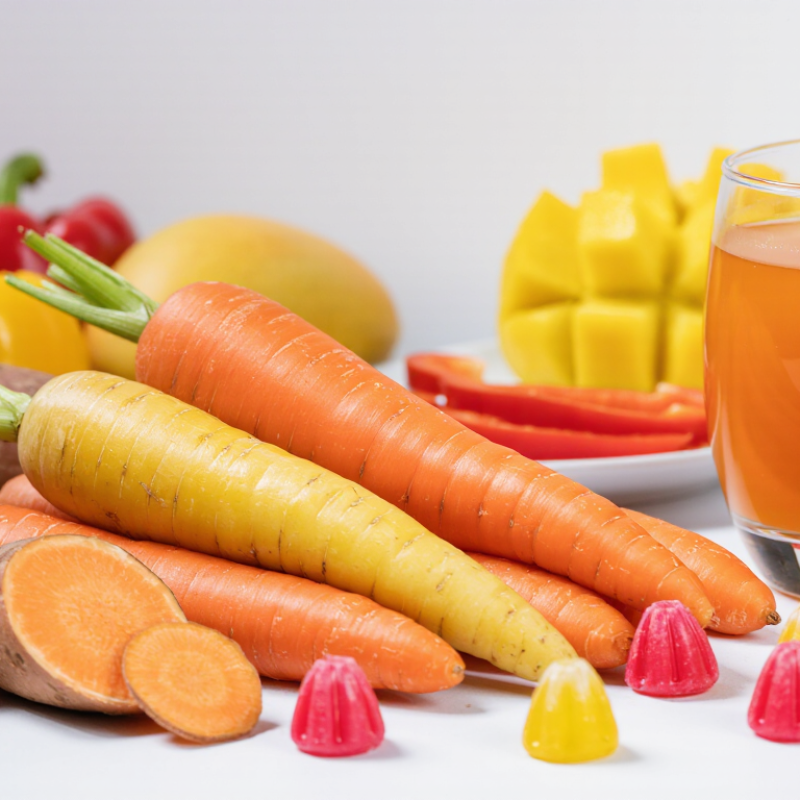
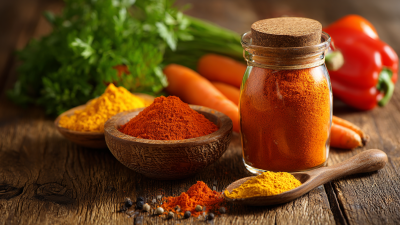
Beta-carotene is a naturally occurring orange-red pigment in a group of plant compounds called carotenoids. It gives carrots, pumpkins, and sweet potatoes their familiar warm color. Dark leafy greens contain it too, though chlorophyll hides the orange tones. Look closely at a cut pumpkin. The color is right there.
Plants make beta-carotene as part of their own biology; people obtain it through foods or supplements. The body can convert some beta-carotene into vitamin A, which supports normal vision and immune function. But conversion varies between people, so the amount eaten does not translate neatly into the same amount of vitamin A for everyone. That detail matters. It is not a simple swap.
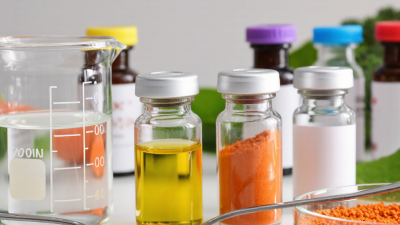
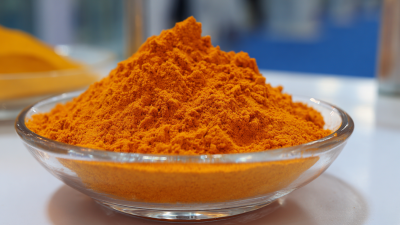
In foods, beta-carotene may provide color as well as nutritional value. Supplement ingredients can come from plant sources or controlled production processes, and Beta Carotene Powder is one form used in some products. Powders can differ in concentration and formulation, so the name alone tells you little about the amount in a serving. I used to assume a brighter orange meant more nutrients. That is not a reliable way to judge it. Check the ingredient and nutrition details instead.
| Topic | Fact | Examples and Uses |
|---|---|---|
| What it is | Beta-carotene is a naturally occurring carotenoid pigment. It is also a provitamin A compound, meaning the body can convert some of it into vitamin A. | Its yellow-orange color is visible in many fruits and vegetables. In leafy greens, the pigment can be masked by chlorophyll. |
| Natural sources | It occurs in a variety of plant foods, with amounts varying by variety, growing conditions, and preparation. | Common sources include carrots, sweet potatoes, pumpkin, winter squash, spinach, and kale. |
| Use as a food color | Beta-carotene can provide yellow to orange color in foods. It may be obtained from plant sources or produced for use as a food ingredient. | Depending on the food and local regulations, it may be used to add or restore color in products such as beverages, sauces, and baked goods. In the European Union, beta-carotene is designated E160a. |
| Use in fortified foods | Because it can be converted to vitamin A, beta-carotene may be added to some foods as a source of provitamin A. | Fortification practices differ by product and country; check the ingredient list and nutrition label for details. |
| Use in supplements | Supplements may provide beta-carotene as a provitamin A source. The body’s conversion of beta-carotene to vitamin A is regulated and varies among individuals. | Supplement labels may list beta-carotene in micrograms or describe its vitamin A activity. The listed amount is not always the same as the amount of vitamin A the body ultimately produces. |
| Vitamin A conversion | For dietary calculations, 12 micrograms of beta-carotene from food equals 1 microgram of retinol activity equivalents (RAE). For beta-carotene from supplements, 2 micrograms equals 1 microgram RAE. | These are standard conversion factors for estimating vitamin A activity; they do not predict an individual’s exact absorption or conversion. |
| Absorption | Beta-carotene is fat-soluble. Having some dietary fat in a meal can support absorption of carotenoids from food. | For example, a small amount of oil in a vegetable dish can help the body absorb carotenoids from the meal. |
| Safety consideration | Eating beta-carotene-rich fruits and vegetables is different from taking high-dose beta-carotene supplements. Large supplemental doses have been associated with increased lung-cancer risk in studies of people who smoke or have been exposed to asbestos. | People who smoke, have a history of asbestos exposure, or are considering high-dose supplements should seek advice from a qualified health professional. |
Key takeaway: Beta-carotene is used in foods for its color and, in some products, as a source of provitamin A. Whole plant foods are common dietary sources; supplement use and high-dose products require more careful consideration.
It gives foods yellow-orange shades, from soft gold to deeper orange. A pale batter may look warm yellow.
It can color drinks, sauces, baked goods, and powdered mixes. The final shade depends on the recipe.
Food texture and ingredients affect the result. A thick sauce may look more vivid than a pale batter. Small changes matter.
No. It is fat-soluble, so it generally disperses more easily in oil-containing foods than in water-based products. This can make recipe testing fiddly.
Heat, light, oxygen, and storage conditions can affect it over time. Color can shift, and batches may not match perfectly.
The body can convert it to vitamin A as needed. It may be included in multinutrient formulas, but an orange color does not prove potency.
The article distinguishes beta-carotene-rich foods from high-dose supplements. In a trial of male smokers, 20 milligrams daily was associated with an 18% higher lung-cancer incidence. That detail deserves care.
They should seek clinical guidance before taking beta-carotene supplements. More is not automatically better. The distinction is easy to overlook.
Beta Carotene is a naturally occurring pigment found in many yellow, orange, and dark-green plants. It gives foods such as carrots and squash their warm colors, and food makers may use it as a colorant to create an appealing, consistent appearance. Because it comes from plant sources and can provide color without relying on synthetic dyes, it is used in a range of foods.
The body can convert Beta Carotene into vitamin A as needed, supporting normal functions such as vision and immune health. It is also included in supplements for people seeking an additional source of this nutrient precursor. How much the body absorbs depends on factors such as the food it is eaten with, digestive health, and individual needs. Since high intakes from supplements may not be appropriate for everyone, it is wise to consider dosage carefully and seek professional guidance when needed.