Leave Your Message

Reasons for contact:

Where are you in your project?

Product Type(s) of Interest

0%

When you're buying Beta Carotenefor international markets, it’s not just about comparing prices. You really need to dig deeper—check the source, concentration levels, how stable it is, what kind of documentation they have, and what you plan to use it for before you even sign a deal. Sure, a bright Orange Powder can look pretty impressive, but don’t let color fool you. Sometimes it’s hiding oxidation, uneven potency, or just poor packaging.

Dr. Elizabeth J. Johnson, a well-known expert on carotenoids who used to work at Tufts University, often says, “The food matrix is important,” and that really hits home when you're selecting Beta Carotene for different stuff—whether it’s drinks, supplements, food, or even animal feed. Things like solubility, how well your body can absorb it, carrier oils, and the temperatures used during processing can all affect how it performs. Having a detailed specification sheet is helpful, but remember, it’s not the whole story.

Smart buyers should ask for up-to-date certificates of analysis, details about where it came from, allergen info, stability results, and traceability of batches. Also, check if the supplier follows recognized quality standards and can support your needs in the target market. Companies like DSM-Firmenich and BASF show us why reputation, technical support, and consistent manufacturing matter—they’re essential. But never rely on reputation alone—do your own due diligence and ask tough questions.

To help out, this guide has ten practical tips for buying Beta Carotene on the global market. It covers everything from natural versus synthetic sources, how it behaves when formulated, packaging considerations, shelf life, testing, and effective communication across borders. Keep in mind, not every decision is perfect. Opting for the cheaper product might turn out to be costly later if you need to reformulate, deal with delays, or handle documentation issues. On the flip side, the fanciest, most premium stuff might not fit every application either. So, be thorough in your comparisons and really think about what your product truly needs—which can sometimes mean accepting some imperfections along the way.
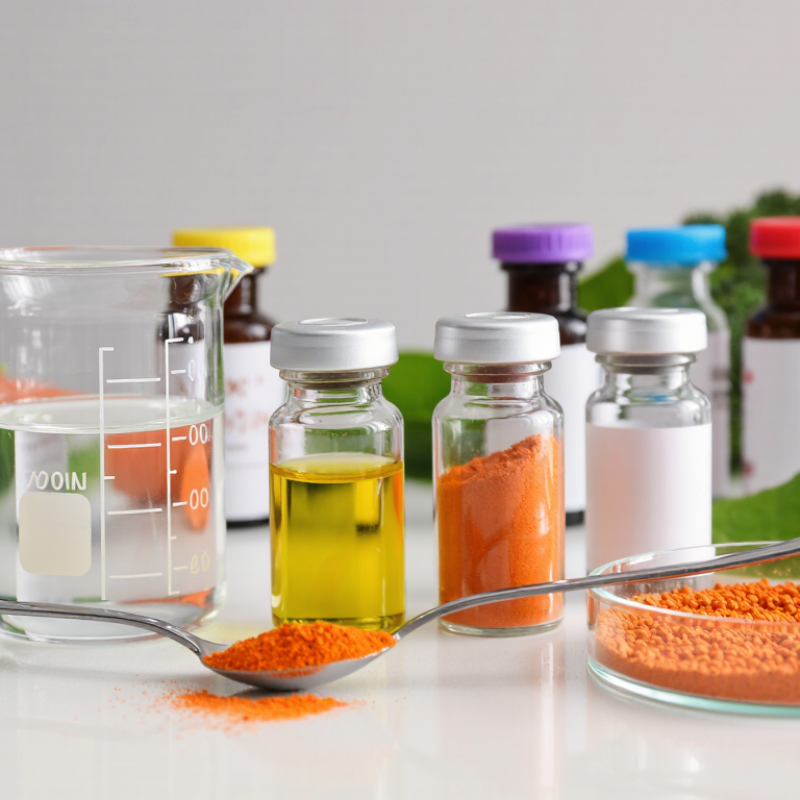
10 Beta Carotene Buying Tips for Global Buyers

Understanding Beta Carotene Forms and Their Intended Uses

Beta carotene is not one uniform ingredient. Buyers should match its form to the final product. Synthetic beta carotene commonly offers consistent color and assay levels. Natural forms may come from algae, fungi, or vegetable sources. Their shades can vary between batches. Oil suspensions suit softgels and emulsions. Water-dispersible beadlets work better in powdered drinks, tablets, and instant mixes. Beta Carotene Powder may require a carrier to improve flow and dispersion.

The NIH Office of Dietary Supplements reports that 1 microgram RAE equals 2 micrograms of supplemental beta carotene, but 12 micrograms from food sources. This difference matters when checking nutrition panels. EFSA assessments also distinguish provitamin A activity from simple coloring use. A color additive does not automatically provide meaningful vitamin A. Check the assay, isomer profile, carrier, and stability data. Light can fade an exposed orange powder quickly.

Tip: Request three retained samples. Test them in your real formula.

Recent market analyses from Grand View Research describe steady global growth for beta carotene, driven by fortified foods, supplements, and natural-color demand. Yet market forecasts are not purchasing specifications. Ask suppliers for independent testing, heavy-metal limits, microbiological results, and shelf-life evidence. I would not select natural material only because the label sounds cleaner. It may oxidize faster, cost more, or perform poorly in a clear beverage. A small pilot batch often reveals more than a polished brochure.

Checking Purity, Potency, and Product Specifications

10 Beta Carotene Buying Tips for Global Buyers

Tip 1 Treat “2% Beta Carotene” as a formulation claim, not proof of purity. It may describe the active concentration in an oil, powder, or beadlet. Ask for the exact assay method and result, preferably from a recent batch-specific certificate of analysis.

Tip 2 Check potency under real storage conditions. Beta carotene can lose strength through heat, oxygen, light, and moisture. The specification should state assay limits, testing dates, packaging conditions, and shelf life. A sealed foil bag tells little without stability evidence. Small details matter.

Tip 3 Match the product specification to your intended application. Confirm the physical form, carrier ingredients, particle size, dispersibility, color strength, and recommended dosage. A powder designed for beverages may perform poorly in oil-based capsules. I have seen buyers compare prices before checking compatibility. That order can create expensive reformulation work.

Tip 4 Review identity and quality testing carefully. HPLC or another validated method should distinguish beta carotene from related carotenoids. Request results for microbiological limits, heavy metals, residual solvents, and oxidation indicators when relevant. Also verify allergen statements and country-specific documentation. Do not rely only on a supplier’s brochure. Independent testing may be worthwhile, especially for the first shipment or an unusually low-priced offer.

Comparing Natural and Synthetic Beta Carotene Sources

10 Beta Carotene Buying Tips for Global Buyers

Comparing Natural and Synthetic Beta Carotene Sources

Natural beta carotene is commonly extracted from algae, fungi, or vegetable materials. Its color may vary slightly between batches. Processing conditions, harvest timing, and storage can affect its profile. Synthetic beta carotene usually offers stronger batch consistency and predictable concentration. That consistency can simplify formulation and quality control. However, “synthetic” does not automatically mean inferior. Performance depends on purity, formulation, dosage, and intended use. The comparison is not always clean.

Tips: Ask for the source, assay, production method, and certificate of analysis. Check testing for identity, heavy metals, microbial limits, and residual solvents. Review stability data under heat, oxygen, and light exposure. Natural materials may need tighter storage controls. Synthetic materials may provide easier cost forecasting. Neither option should be selected from price alone.

Global buyers should also examine documentation before placing a large order. Confirm whether the specification matches the destination market’s food or supplement requirements. Check allergen statements, non-GMO claims, traceability records, and shelf-life evidence. A small retained sample can reveal differences in color, odor, and dispersion. It is a simple step, yet buyers sometimes skip it. I would also question unusually strong claims about superior absorption. Bioavailability can change with oil content, particle size, and the final product matrix. Evidence matters more than confident language.

Evaluating Supplier Credentials and Manufacturing Standards

Choosing a Beta Carotene Powder Factory requires more than comparing prices. Global buyers should verify legal registration, production scope, export history, and technical staffing. Ask for current certificates, not scanned documents from several years ago. Confirm whether the listed facility actually manufactures the powder.

Manufacturing standards should be visible on the factory floor. Look for controlled weighing areas, sealed processing lines, and clearly labeled raw material storage. A reliable supplier should provide batch records, specifications, allergen statements, and a recent certificate of analysis. Test results should cover potency, microbial limits, heavy metals, and residual solvents where applicable. Traceability matters. One batch code should lead back to raw materials, operators, and packaging dates.

Do not stop at paperwork. Request a video audit or an independent inspection. Check calibration records for balances and spectrophotometers. Ask how deviations are investigated and how rejected batches are isolated. A polished certificate file is not proof by itself. Records can be incomplete. That is worth admitting. Supplier communication also reveals competence; unclear answers about stability, storage temperature, or shelf life deserve careful review. Before signing, obtain a retained sample and compare it with the final shipment through an independent laboratory. Small differences in color, odor, or assay may expose weak process control.

10 Beta Carotene Buying Tips for Global Buyers - Evaluating Supplier Credentials and Manufacturing Standards
No. Buying Tip What to Evaluate Documents or Data to Request Practical Benchmark Buyer Action
1 Confirm the exact product identity Determine whether the material is synthetic beta carotene, naturally sourced beta carotene, an algal or fungal carotenoid preparation, or a formulation containing carriers and antioxidants. Product specification, composition statement, Chemical Abstracts Service reference where applicable, source declaration, and manufacturing-process description. The product description, label, specification, and certificate of analysis should use the same identity and concentration basis. Required
2 Verify manufacturing-site credentials Check whether the actual production site operates under a recognized food, feed, pharmaceutical, or nutraceutical quality system appropriate to the intended use. Current certificates for Good Manufacturing Practice, ISO 9001, HACCP, ISO 22000, or a recognized food-safety certification scheme, including site address and scope. Certificate scope should cover the relevant product category and the physical site that manufactures or packs the material. Required
3 Assess food-safety controls Review hazard analysis for microbial contamination, heavy metals, solvent residues, foreign matter, cross-contact, oxidation, and incorrect formulation. HACCP plan summary, preventive-control program, allergen-control statement, sanitation procedures, environmental-monitoring summary, and recent audit findings. Controls should be risk-based, documented, routinely monitored, and linked to corrective-action records. Required
4 Set potency and assay requirements Define whether potency is expressed as beta carotene content, total carotenoids, color value, or another validated measurement. Do not compare products using different bases. Product specification, analytical method, assay result, uncertainty information where available, and a representative certificate of analysis. Acceptance limits must be stated numerically and should match the intended application, dosage, and local labeling rules. Required
5 Check analytical-method validity Ensure that testing methods are suitable for carotenoid analysis and distinguish beta carotene from other carotenoids, degradation products, or formulation carriers when necessary. Method reference, validation or verification summary, laboratory accreditation details, chromatograms when relevant, and sample-preparation procedure. Results should be generated by a qualified internal laboratory or an appropriately accredited independent laboratory using a documented method. Verify
6 Evaluate contaminant and purity testing Confirm testing for lead, arsenic, cadmium, mercury, residual solvents where applicable, pesticides where relevant, microbiological quality, and adulteration risks. Recent batch-specific test results, contaminant limits, microbiological limits, solvent-residue statement, and applicable regulatory compliance declaration. Limits should be tied to the destination market and intended use rather than relying only on a generic “pass” statement. Required
7 Review stability and packaging protection Beta carotene is sensitive to oxygen, light, heat, and time. Evaluate packaging, oxygen exposure, storage conditions, and protection against potency loss. Stability data, recommended storage conditions, shelf-life justification, packaging specification, seal-integrity information, and transport requirements. The stated shelf life should be supported by real-time or appropriately justified accelerated stability data under defined conditions. Required
8 Verify traceability and recall readiness Confirm that each lot can be traced from raw materials through production, testing, packaging, shipment, and customer delivery. Lot-coding policy, traceability procedure, mock-recall results, retention-sample policy, complaint procedure, and recall contact process. The supplier should be able to identify affected lots, distribution records, and corrective actions within a documented response process. Required
9 Check regulatory and market suitability Confirm that the ingredient, source, additives, carrier materials, claims, and proposed use comply with the rules of every destination market. Regulatory status statement, allergen and GMO declarations where relevant, animal-origin statement, country-of-origin information, safety-data documentation, and labeling guidance. Compliance must be assessed separately for food, dietary supplement, feed, cosmetic, or pharmaceutical use because requirements differ by jurisdiction. Required
10 Audit supplier reliability and change control Evaluate supply continuity, batch consistency, capacity, subcontracting, complaint history, deviation management, and notification of changes to raw materials or processes. Supplier questionnaire, quality agreement, change-control procedure, business-continuity plan, capacity statement, audit report, and sample approval records. Material changes should require prior notification and, where appropriate, customer approval before implementation. Preferred

Reviewing Stability, Packaging, and Storage Requirements

When global buyers assess beta carotene, stability should guide the purchase, not price alone. The powder can lose color and potency when exposed to light, oxygen, heat, or moisture. Ask Pure Beta Carotene Powder Suppliers for stability data under realistic transport conditions. Check assay results at release and during storage. Accelerated tests help, but they do not perfectly predict every climate.

Packaging needs close inspection. Use sealed, food-grade inner bags inside rigid cartons or drums. Opaque layers reduce light exposure. Nitrogen flushing can limit oxygen, although its value depends on sealing quality. A small leak can undo expensive protection. Request details about liners, closure systems, lot coding, and tamper evidence. Packaging should also withstand long sea shipments, vibration, and repeated warehouse handling.

Keep unopened powder in a cool, dry, dark area with stable temperature. Avoid walls, windows, steam pipes, and loading doors. A clean pallet is better than direct floor contact. Record opening dates and reseal partially used bags quickly. Use the oldest approved lot first. Warehouse teams sometimes rely on “cool and dry” without measuring either condition. That is a weakness worth correcting. Ask suppliers for recommended temperature limits, humidity guidance, shelf life, and transport records before approval. Retain samples for comparison if color, odor, or flow changes unexpectedly.

10 Beta Carotene Buying Tips for Global Buyers

Reviewing stability, packaging, and storage requirements through an indicative procurement-priority score.

The highest-priority checks focus on oxidation and light exposure because beta carotene is sensitive to oxygen, heat, and light. Buyers should also verify assay, isomer profile, carrier oil or powder matrix, antioxidant system, packaging barrier, batch traceability, storage temperature, humidity control, and remaining shelf life. Scores are an indicative screening framework rather than a universal product specification.

Confirming Global Regulations, Documentation, and Import Compliance

10 Beta Carotene Buying Tips for Global Buyers

Confirming Global Regulations, Documentation, and Import Compliance

Beta carotene may be regulated differently as a food color, dietary ingredient, feed additive, cosmetic ingredient, or pharmaceutical excipient. Confirm its intended use before requesting quotations. Check the destination country’s approved positive lists, purity limits, labeling rules, and permitted dosage. Do not rely on a supplier’s general compliance statement. Ask for the exact regulatory reference. Then verify it with the local authority or a qualified customs specialist.

Your buying file should include the product specification, certificate of analysis, safety data sheet, allergen statement, GMO declaration, country-of-origin document, and batch traceability records. Request stability data when the shipment may face heat, light, or long storage. Review the HS code with your importer of record. A small classification error can delay customs clearance. Check whether pre-registration, import permits, or health certificates apply. Requirements can change.

Use packaging that protects the pigment from oxygen and light. Confirm net weight, lot number, production date, expiry date, and storage conditions before loading. Ask for a pre-shipment document pack, not scattered files after dispatch. Compare the invoice, packing list, certificate, and physical labels carefully. They must match. One overlooked character matters. Do not guess. A practical weakness is assuming one certificate works everywhere; it often does not. Build a country-specific checklist, retain approved records, and arrange independent testing when risk or shipment value justifies it.

Beta Caryophyllene: Natural Sources, Potential Benefits, Uses, and Safety Considerations

Beta-Caryophyllene (β-Caryophyllene), CAS 87-44-5, is a naturally occurring sesquiterpene found in black pepper, cloves, cinnamon, hops, and certain aromatic herbs. It is recognized for its distinctive spicy, woody aroma and is commonly explored as an ingredient in fragrances, flavor formulations, botanical research, and personal-care products. Preliminary scientific interest has focused on its antioxidant and soothing properties, although further research is needed to fully understand its potential benefits and suitable applications.

As a versatile botanical compound, β-Caryophyllene may be used in aroma compositions, natural flavor development, cosmetic formulations, and laboratory research. Appropriate dilution and formulation are important, since concentrated essential-oil components may cause skin or eye irritation in sensitive individuals. It should be stored in a cool, dry place away from light and handled according to applicable safety documentation and local regulations. Professional guidance is recommended before use in food, cosmetics, or other specialized products.

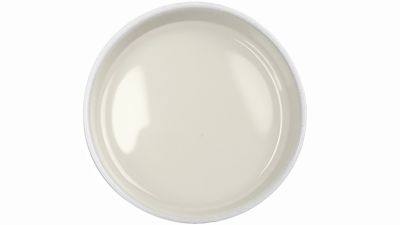
The available β-Caryophyllene product is supplied as a white transparent liquid with a specification of 98%. Quality systems and certifications include cGMP, ISO 22000, ISO 9001, EU and NOP Organic, Kosher, BRC, Halal, and HACCP. Payment options include T/T, VISA, XTransfer, and Alipay, with an estimated shipping speed of 3–5 days.

FAQS

Does “2% beta carotene” prove product purity?

No. It usually describes active concentration in oil, powder, or beadlet form. Request a recent, batch-specific certificate of analysis. Check the assay method and result. The percentage alone is not enough.

How should potency be checked during storage?

Review assay limits, testing dates, packaging, and shelf life. Heat, oxygen, light, and moisture can reduce potency. A sealed foil bag helps. It does not prove stability.

What product details should match the intended application?

Confirm physical form, carrier ingredients, particle size, dispersibility, color strength, and dosage. Beverage powders may perform poorly in oil-based capsules. Price comparisons can come later.

Which quality tests should buyers request?

Request validated HPLC or equivalent identity testing. Check microbial limits, heavy metals, residual solvents, and oxidation indicators when relevant. Allergen and country-specific documents also matter. Independent testing may be sensible.

How can a buyer evaluate a powder manufacturer?

Verify legal registration, production scope, export history, and technical staff. Request current certificates and batch records. Confirm the listed facility actually manufactures the powder.

What should buyers observe during a factory review?

Look for controlled weighing areas, sealed processing lines, and labeled raw material storage. Review calibration records and deviation investigations. Ask how rejected batches are isolated. A polished certificate file can still hide incomplete records.

Which documents are useful for international import clearance?

Prepare the specification, certificate of analysis, safety data sheet, allergen statement, GMO declaration, and origin document. Include traceability records and stability data when needed. Requirements vary by destination.

How should packaging and shipment documents be checked?

Use packaging that limits oxygen and light exposure. Confirm lot number, net weight, production date, expiry date, and storage conditions. Compare the invoice, packing list, certificate, and labels. One wrong character matters. Do not guess.

Can one regulatory certificate work in every country?

Usually not. Intended use may change the applicable rules. Check food, feed, cosmetic, or pharmaceutical requirements separately. Verify approved lists, purity limits, dosage, and labeling rules with local specialists. This assumption is easy to make, and often weak.

Conclusion

Buying Beta Carotene for international use requires more than comparing prices. Start by identifying the correct form, such as powder, oil suspension, or water-dispersible format, and match it to the intended application. Carefully review purity, potency, particle size, carrier ingredients, and testing specifications to ensure the material meets your quality requirements. It is also important to understand the differences between natural and synthetic sources, including their composition, performance, consistency, and suitability for the final product.

Global buyers should assess suppliers through manufacturing credentials, quality systems, traceability, and independent test documentation. Stability data, packaging design, shelf life, transport conditions, and storage requirements can significantly affect product performance. Before placing an order, confirm that labeling, certificates, technical files, safety documents, and import paperwork are complete and appropriate for the destination market. A structured evaluation process helps reduce supply risks, support regulatory compliance, and ensure that the selected Beta Carotene delivers reliable quality throughout its intended use.
Ethan

Ethan

Ethan is a dedicated marketing professional at Shaanxi Yuantai Biological Technology Co., Ltd., where he plays a pivotal role in promoting the company's extensive range of products. With a deep understanding of plant extracts, nutritional supplement raw materials, cosmetic raw materials, organic......
Previous China Best Sodium Alginate Suppliers and Manufacturers?