Okay, so if you're a food manufacturer, Wheat Gluten isn't just another protein ingredient. It actually plays a big role in how your dough behaves—elasticity, loaf volume, texture, that whole production consistency thing. And to put things in perspective, global wheat supply matters here. According to FAOSTAT's Crops and livestock products database, wheat production hit around 808 million tonnes in 2022. But hey, that number is about raw wheat output, not the actual gluten that ends up available to buyers. When you really break it down, actual supply isn’t driven by any single thing—it’s shaped by milling yields, protein content, how much processing capacity is available, and trade flows too. They all kind of work together.
Ever tried getting a clear picture of global wheat markets? The USDA’s Foreign Ag Service keeps this handy database—Production, Supply and Distribution—that tracks how much wheat is produced, exported, and imported across the big markets. It’s a solid starting point for procurement teams trying to figure out sourcing options. But honestly, it only gets you so far. You can’t skip the supplier-level checks. You still need to compare protein specs, moisture limits, microbiological controls, traceability, packaging, lead times, and certificates of analysis. And don’t forget a sample batch—that tells you a lot. The paperwork? Just as important. You know, a spec sheet can be super polished and still leave you with real questions—like how much variation there is between lots, or whether deliveries are actually going to perform as promised.
Alright, so if you're sourcing Wheat Gluten from overseas, this guide is a pretty solid starting point—it walks you through seven suppliers to compare. But here's the thing: supplier capabilities and export coverage aren't set in stone. They can shift, so before you commit to a big volume order, make sure you're checking their current data directly. Ask them for recent test results, nail down the shipment terms, and double-check that they can actually support the specific application you have in mind. And sure, price definitely matters—but honestly, a delayed container or dough that performs inconsistently can end up costing you way more than whatever you saved per ton. There's still one big catch though—public market data usually doesn't tell you the whole story about how reliable a specific supplier really is.
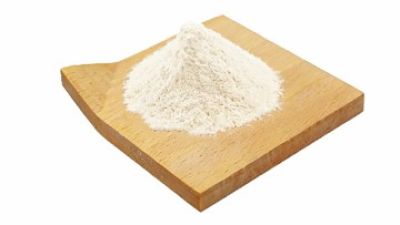
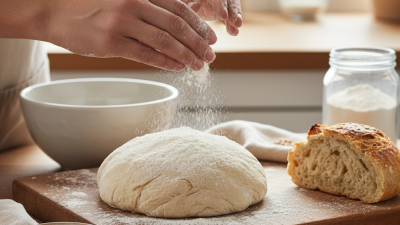
Wheat gluten is not one uniform ingredient. Vital wheat gluten is a dried, concentrated protein that regains its structure when mixed with water. In dough, it can improve elasticity and help retain gas, which matters in bread and plant-based foods. Wheat Gluten Powder is a common commercial format, but protein content, moisture, and particle size can vary between lots. A small test batch often reveals more than the product name does.
Hydrolyzed wheat gluten has been broken into smaller protein fragments through controlled processing. It is generally more soluble than vital gluten and may be used for flavor, seasoning, or other food applications. It does not behave like vital gluten in dough. Buyers should check the intended use, solubility, taste, and processing details rather than treating the two forms as interchangeable. Labels can leave questions.
Suppliers may also offer coarse granules, fine powders, or blends designed for particular production needs. Fine powder disperses quickly, though it can form lumps if added too fast. Granules may need more mixing time. Ask for a current specification sheet, allergen information, and a representative sample, then compare performance under your own process conditions. Even careful testing has limits: a result from one recipe may not transfer neatly to another.
Vital wheat gluten commonly contains 75–80% protein, making this range a useful purchasing benchmark. It is not a complete quality verdict. Protein results can vary with testing methods and whether values are reported on an as-is or dry basis. Ask suppliers to state the method, moisture level, and lot-specific results on their certificates of analysis. Small differences may reflect reporting conventions, not necessarily a meaningful change in performance. Even a neat specification can mislead.
For baking and food manufacturing, review functional properties alongside protein: water absorption, elasticity, color, and consistency between batches. Request a representative sample and test it in your own recipe or process. A dough that feels too tight on the mixing bench may behave differently after resting, so record mixing time and hydration. Wheat Germ Extract is a separate wheat-derived ingredient, not a substitute for vital wheat gluten; clear ingredient specifications help prevent confusion. Ask how the supplier controls lot variation and handles results that fall outside the agreed range.
The profiles below are anonymized sourcing-region examples, not named or ranked companies. Protein and moisture figures are common purchasing benchmarks, not guaranteed specifications; confirm each supplier’s current product specification and lot-specific certificate of analysis before ordering.
| Supplier Profile | Sourcing Region | Common Product Form | Protein Benchmark | Typical Moisture Limit | Common Applications | Documents and Checks for Buyers |
|---|---|---|---|---|---|---|
| Supplier Profile 1 | China | Food-grade vital wheat gluten powder | 75–80% (commonly specified on a dry basis) | Often specified at 8% maximum; verify the product sheet | Bread and bakery improvers, noodles, meat alternatives | Current specification, certificate of analysis, allergen statement, food-safety documentation, and export documents |
| Supplier Profile 2 | European Union | Food-grade powder; mesh size may vary by application | 75–80% (commonly specified on a dry basis) | Often specified at 8% maximum; verify the product sheet | Bakery mixes, pasta, cereal products, plant-based foods | Ingredient and allergen declarations, lot-specific analysis, traceability details, and applicable food-safety records |
| Supplier Profile 3 | United States | Vital wheat gluten powder in bulk or smaller food-grade packs | 75–80% (commonly specified on a dry basis) | Often specified at 8% maximum; verify the product sheet | Commercial baking, flour blending, meat and seafood analogues | Certificate of analysis, allergen controls, country-of-origin details, and shipment-specific documentation |
| Supplier Profile 4 | Canada | Food-grade vital wheat gluten powder | 75–80% (commonly specified on a dry basis) | Often specified at 8% maximum; verify the product sheet | Bread production, high-protein flour blends, processed foods | Protein test method and basis, certificate of analysis, allergen statement, and traceability records |
| Supplier Profile 5 | Australia | Powdered vital wheat gluten; packaging options depend on the seller | 75–80% (commonly specified on a dry basis) | Often specified at 8% maximum; verify the product sheet | Bakery products, noodles, flour fortification, meat alternatives | Product specification, lot-specific certificate of analysis, allergen declaration, and import-compliance documents |
| Supplier Profile 6 | India | Food-grade powder for industrial and bakery use | 75–80% (commonly specified on a dry basis) | Often specified at 8% maximum; verify the product sheet | Flatbreads, bakery mixes, noodles, vegetarian protein products | Current food-grade specification, certificate of analysis, allergen statement, and applicable export certificates |
| Supplier Profile 7 | Argentina | Vital wheat gluten powder; confirm export availability and grade | 75–80% (commonly specified on a dry basis) | Often specified at 8% maximum; verify the product sheet | Bakery formulations, flour improvement, pasta and other cereal products | Written confirmation of supply, product specification, certificate of analysis, origin documents, and allergen information |
Wheat gluten production begins with wheat flour and water, mixed into a dough. The dough rests briefly, allowing proteins to hydrate and form an elastic network. Water then carries away much of the starch. Industrial lines use washing, screening, and sometimes centrifuges to separate the gluten-rich fraction. The starch stream is collected for other uses. Separation needs steady control. Too much washing can reduce yield; too little may leave excess starch in the gluten.
The wet gluten is dewatered and dried with controlled airflow and temperature. Excess heat can affect color and functional performance, while uneven drying may leave damp pockets. The dried material is milled and screened into a consistent powder. It sounds straightforward, but small shifts in flour quality or equipment settings can change the result. That variability deserves attention, not a sales gloss.
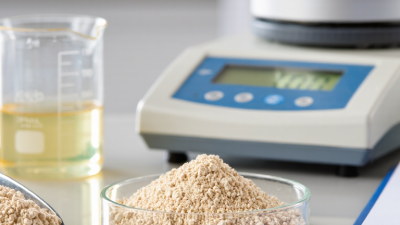
Quality checks commonly include protein content, moisture, color, particle size, microbiological condition, and performance in dough applications. Buyers can request batch specifications and recent test records, then compare samples under their own production conditions. Hydrolyzed Wheat Protein is made through further processing that breaks proteins into smaller peptides; it is not interchangeable with ordinary wheat gluten in every use. A supplier’s process notes can clarify which product is offered. Even good documentation has limits, so practical testing remains important.
The seven profiles below describe supplier types, not a ranked list of named companies. FAO’s June 2024 Cereal Supply and Demand Brief forecast global wheat production at about 789 million tonnes. That scale supports a broad raw-material base, but it does not reveal how much gluten any supplier can deliver. Buyers should verify plant capacity, current lead times, and lot-to-lot protein consistency directly.
One profile is the large integrated mill, typically offering vital wheat gluten, flour, and starch at high volumes. A second is the regional processor, with shorter routes and more flexible order sizes. A third focuses on food-grade standard gluten; a fourth offers customized protein levels or particle sizes. A fifth serves bakery and meat-alternative applications with tailored functionality. A sixth specializes in industrial or feed-grade co-products, while a seventh is an export-focused consolidator handling mixed specifications and shipment coordination.
Product labels can sound similar. Ask for a recent specification sheet and certificate of analysis.
Export reach matters as much as production scale. Check whether the supplier ships in bulk or 25-kilogram bags, and ask how it protects product from moisture during transit. Review sample documents, shipment history, and the named manufacturing site—not only the sales office. FAO’s wheat figures provide useful market context, but they are not a supplier audit.
Small warning, worth remembering: capacity claims can age quickly.
A strong wheat gluten supplier should be assessed beyond price per tonne. Request current food safety and quality certificates, then check their scope, issuing body, and expiry date. A certificate is useful evidence, not a substitute for an audit. Ask how the supplier controls wheat intake, milling, and packing. Can each lot be linked to its harvest region, production date, and test results? A clear answer matters. So does a usable record.
Capacity needs equal scrutiny. Ask for typical monthly output, peak-season availability, minimum order size, and lead time for samples and shipments. Compare these figures with your forecast, not just the supplier’s maximum claim. A few pallets may be easy to supply; steady container volumes are different. Regional coverage also affects freight, delivery windows, and contingency planning. Check which export markets the supplier serves, where stock is held, and whether alternate routes are realistic. Details can shift.
Small gaps deserve attention. Traceability documents may look complete but arrive slowly, or use lot codes that are hard to match. Test the process with a sample shipment and ask staff to retrieve its records. That takes time. It may reveal more than a polished brochure. Compare suppliers using the same questions, and record unanswered points before committing.
A wheat-gluten quote is only useful when its specifications are clear. Request protein content, moisture, ash, particle size, microbiological limits, and test methods. Ask whether values are guaranteed or typical, and request a recent certificate of analysis. FAO’s December 2023 Cereal Supply and Demand Brief estimated global wheat production at 787.4 million tonnes. That scale signals a broad raw-material base, not consistent ingredient quality; crop origin and processing still matter. For Hydrolyzed Wheat Protein Powder, confirm that the specification matches your intended food application.
Test a production-representative sample before agreeing to a large order. Check color, odor, dispersibility, and performance in your own recipe. A small sample can look fine, yet behave differently in a full batch. Get the minimum order quantity in writing, including whether it applies per grade, packaging format, or shipment. Confirm lead time, pallet details, shelf life, and how long the quoted price remains valid.
Tip: Agree on delivery terms, named destination, and responsibility for freight, insurance, and unloading before payment. Ask for a shipment schedule and written notice if production slips. Keep the approved sample and signed specification for comparison at arrival. One easy-to-miss detail: a supplier’s routine test may not match your lab method, so align methods before treating a result as a failure.
Protein hydrolysates are gaining attention as manufacturers seek ingredients that can be adapted to a range of food and personal-care formulations. Market analysis, including insights covered in protein hydrolysates research, highlights the importance of application versatility, consistent quality, and dependable supply. Hydrolyzed wheat protein powder is valued for its formulation flexibility and can be considered for suitable food and cosmetic applications, subject to each product’s requirements and applicable regulations.
Wheat Protein Hydrolysed is available in food and cosmetic grades, packed in 25 kg drums for convenient handling and storage. Keep the product in a cool, dry place away from light to help maintain its quality. The supply offering includes cGMP, ISO 22000, ISO 9001, Kosher, BRC, and Halal certifications. Shipping is typically arranged within 3–5 days, with payment options including T/T, VISA, XTransfer, and Alipay. These details can help buyers assess procurement needs alongside the functionality and potential uses of hydrolyzed protein ingredients.
It commonly contains 75–80% protein. Treat this as a purchasing benchmark, not a complete quality verdict.
Testing methods and moisture basis can change reported values. Ask for the method, moisture level, and lot-specific results.
Check water absorption, elasticity, color, and batch consistency. A tidy specification can still miss practical issues.
Request a representative sample and try it in your own recipe. Record mixing time and hydration; dough behavior may change after resting.
No. Test functional properties alongside protein. Small differences may come from reporting conventions.
Ask about plant capacity, current lead times, and lot-to-lot consistency. Capacity claims can become outdated.
Confirm whether shipments use bulk loads or 25-kilogram bags. Ask how the product is protected from moisture during transit.
Review sample documents, shipment history, and the manufacturing site. I might be overchecking, but a sales office alone tells little.
It should show lot-specific results and the testing basis. Ask how out-of-range results are handled. Worth checking twice.
This guide introduces Wheat Gluten in its main commercial forms, including vital, hydrolyzed, and other processed varieties, and explains how their properties suit different food and industrial applications. It outlines the production process, from separating gluten from starch to drying and quality control, and describes common industry benchmarks, such as the 75–80% protein range often associated with vital wheat gluten.
The article also presents seven supplier profiles for global buyers, focusing on product range, production scale, and export reach rather than brand promotion. It offers a practical framework for comparing suppliers by certifications, traceability, capacity, and regional coverage. Before placing an order, buyers should confirm specifications, request samples, clarify minimum order quantities, and review delivery terms to assess product suitability and supply reliability.