As the global market continues to grow, more and more buyers are starting to look for alternatives to the usual sweeteners they’ve known. One option that really stands out is Stevia Leaf Extract. It’s a natural sweetener, taken from the Stevia rebaudiana plant, which people love because it’s calorie-free and a healthier alternative. Pretty neat, right?
That said, not all Stevia products on the market are equal. It can be tricky to find the really good stuff. Some big brands like Pure Via and Truvia are popular, but as a consumer, you've gotta look into things like purity, where it’s sourced from, and how it’s made. The extraction process matters too — it can really impact how it tastes and how effective it is.
Honestly, navigating all these options can get pretty overwhelming. Everyone’s claiming their product is the best, and reviews can be all over the place. Doing a bit of research on trustworthy suppliers can save you from disappointment and help ensure you’re actually getting a quality product. In the end, having a good understanding of the market helps you make smarter, more confident choices when buying Stevia Leaf Extract.
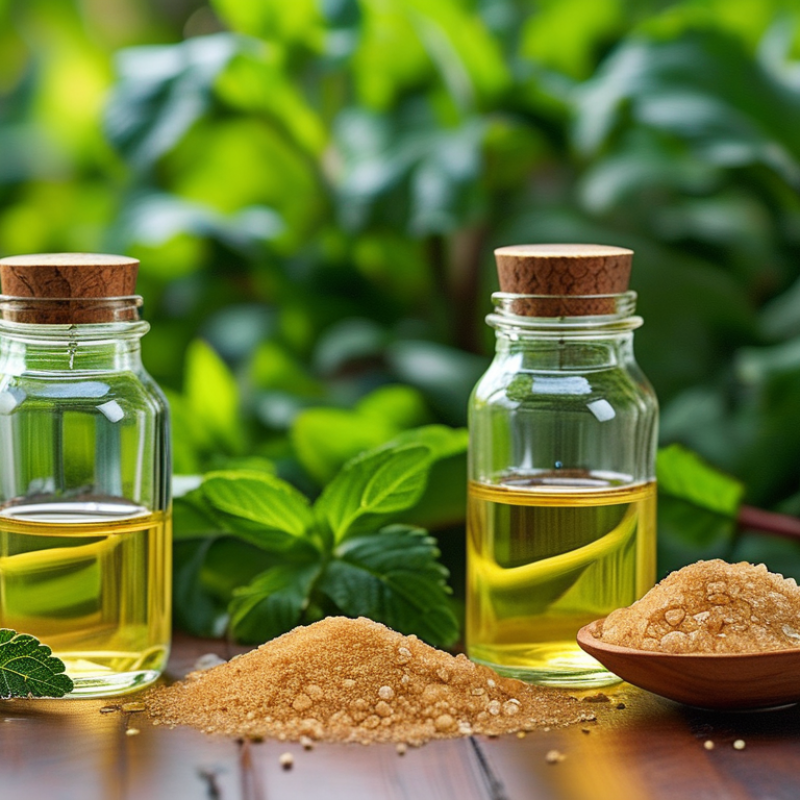
Understanding Stevia Leaf Extract: A Comprehensive Overview
Stevia leaf extract, derived from Stevia Rebaudiana, has gained significant attention in recent years. This natural sweetener is known for its zero-calorie profile and low glycemic index. According to industry reports published in 2022, the global stevia market was valued at over $700 million, with projections to exceed $1.5 billion by 2030. This growth reflects an increasing consumer shift towards healthier, plant-based alternatives.
Research indicates that Stevia Rebaudiana Extract is 50 to 300 times sweeter than sugar. This remarkable intensity allows for lower usage levels, making it appealing for food and beverage manufacturers. Despite its popularity, the extraction process can be complex. Factors like leaf quality and extraction methods significantly influence the final product's taste and sweetness.
However, the market is not without challenges. Quality control remains a concern. Variability in crop yield can lead to inconsistencies in supply. Moreover, consumer perception of stevia's aftertaste has prompted ongoing research to improve flavor profiles. Addressing these issues is crucial for manufacturers aiming to enhance their offerings and meet consumer demand.
Types of Stevia Leaf Extract Available in the Market
The global market for Stevia Extractis growing significantly. Various types of Stevia leaf extracts are now available, catering to diverse consumer needs. The two main types are Stevioside and Rebaudioside A. Both offer sweetness without calories, making them ideal for health-conscious consumers. Reports indicate that Rebaudioside A is often preferred for its cleaner taste profile.
Different extraction methods produce different qualities of Stevia Extract. Some processes use alcohol, while others rely on water or CO2. Each method can affect sweetness levels and flavor nuances. According to the latest market reports, the demand for high-purity Stevia Extract has surged. Buyers are looking for extracts with higher concentrations of Rebaudioside A.
However, challenges remain in the production of Stevia Extract. There are concerns about consistency and quality. Some consumers report a lingering aftertaste, which can deter them from choosing Stevia over sugar alternatives. Market analysts urge producers to refine extraction methods further to address these issues. Balancing quality and cost remains a critical factor for global buyers.
Key Factors to Consider When Choosing Stevia Leaf Extract
When choosing stevia leaf extract, several factors come into play. First, consider the extraction method. High-quality extracts often utilize water or alcohol, ensuring purity. Poor extraction methods can introduce unwanted substances. Look for transparent sourcing. Understanding where the stevia is grown can help assess its quality. Different regions may have varying climates, affecting flavor and sweetness.
Taste profile is another critical factor. Stevia can have a distinct aftertaste, which varies by extraction process. Testing different samples can reveal preferences. Sweetness level is also essential. Some extracts are more concentrated than others. This affects how much you may need to use in recipes.
Lastly, certifications matter. Look for organic labels, as they indicate adherence to stringent agricultural standards. Certifications can also ensure the product is free from contaminants. However, not all quality products carry certifications. This inconsistency can make sourcing trustworthy options challenging. Each of these factors contributes significantly to choosing the best stevia leaf extract. Being informed helps navigate this complex market.
2026 Best Stevia Leaf Extract for Global Buyers to Consider
| Features | Details |
| Type of Extract | Pure Stevia, Liquid Extract, Powdered Extract |
| Purity Level | Minimum 95% |
| Taste Profile | Sweet, with negligible bitterness |
| Solubility | High solubility in water and alcohol |
| Usage | Beverages, baked goods, dietary supplements |
| Certification | Organic, Non-GMO, Kosher |
| Form | Powder, Liquid |
| Shelf Life | 2-3 years |
| Country of Source | USA, China, South America |
Top Global Brands for Stevia Leaf Extract in 2026
In 2026, the demand for stevia leaf extract is rising globally. Numerous brands are competing in the market to deliver high-quality products. When selecting a stevia supplier, it’s crucial to consider the extraction methods used. Various techniques result in different flavors and sweetness levels. Some extracts are more suited for baking, while others shine in beverages.
Many brands focus on Enzymatically Modified Stevia for its unique properties. This method enhances the sweetness profile and provides a smoother taste. However, not all modifications are equal. Some consumers have reported a lingering aftertaste with specific brands. Understanding the product's refining process can help buyers make informed decisions. It’s essential to read reviews and check the brand’s transparency about their methods.
Trust is vital in the stevia market. Consumers should prioritize brands with positive feedback and established credentials. Third-party testing can verify purity and quality. While the market is full of options, diligence is key. It’s worth noting that personal taste preferences vary significantly. What is delightful for one may not be for another. Thus, experimentation with different brands is often necessary.
Health Benefits and Uses of Stevia Leaf Extract
Stevia leaf extract has gained attention for its health benefits. This natural sweetener contains steviol glycosides, which are 50 to 300 times sweeter than sugar. Research from the Journal of Medicinal Food suggests that stevia may contribute to weight management and improved blood sugar levels.
Several studies indicate that stevia can help regulate blood glucose. A report from the International Journal of Obesity notes that stevia does not raise insulin levels. This makes it a preferred choice for those managing diabetes. However, some users report a bitter aftertaste, which can detract from its appeal.
Moreover, stevia has antioxidant properties. According to a recent review in the Journal of Agricultural and Food Chemistry, antioxidants help combat oxidative stress. While stevia can provide health benefits, the extraction process can vary. Consumers should seek high-quality extracts to ensure maximum potency. Understanding these aspects helps users make informed decisions on their sweetener choices.
Regulatory Standards and Certifications for Stevia Products
When considering stevia leaf extract, understanding regulatory standards is crucial. Certifications ensure that products are safe for consumption. Each region may have different requirements. Compliance with local laws reflects a commitment to quality. This is important for buyer confidence.
Certifications like USDA Organic or Non-GMO Project Verified are significant. They indicate that the product meets high standards. Without these, the product may lack reliability. It raises questions about sourcing and production methods. Buyers should thoroughly research any certifications a stevia product claims.
Navigating these regulatory landscapes can be complex. It requires knowledge and awareness. Sometimes, brands may misinterpret regulations for marketing purposes. Therefore, validation from regulatory bodies is essential. Look beyond labels; ensure that products have legitimate certifications. This approach protects both consumers and companies in the long run.
Sustainability and Sourcing Practices in Stevia Production
Sustainability in stevia production is crucial for global buyers today. Reports indicate that stevia cultivation requires less water than sugarcane, promoting water conservation. According to the Food and Agriculture Organization, sugarcane uses roughly 1,500 to 2,500 liters of water per kilogram. In contrast, stevia needs only an estimated 200 liters per kilogram, making it a more sustainable choice.
Sourcing practices also greatly impact the overall sustainability of stevia. Many growers are adopting organic farming methods, which enhance soil health and biodiversity. A study from the International Stevia Council suggests that organic stevia can yield higher returns for farmers while preserving the environment. However, challenges remain. Some practices still rely heavily on chemical inputs, raising concerns about environmental degradation.
The rise of Enzymatically Modified Stevia Powder presents both opportunities and challenges. This innovative extraction method can improve taste profiles while maintaining sustainability. Yet, the long-term effects on ecosystems remain under-researched. It's key for buyers to ask about sourcing methods and ensure their suppliers are committed to sustainable practices. Adopting a holistic approach will enrich the stevia supply chain while safeguarding the planet for future generations.
2026 Best Stevia Leaf Extract for Global Buyers to Consider
This chart represents the sustainability scores for stevia leaf extract production across different regions in 2026. Higher scores indicate better sustainability practices in the sourcing and production of stevia.
Exploring the Efficacy of Lagerstroemia Speciosa Extract Corosolic Acid: Insights from Recent Clinical and Market Research Reports
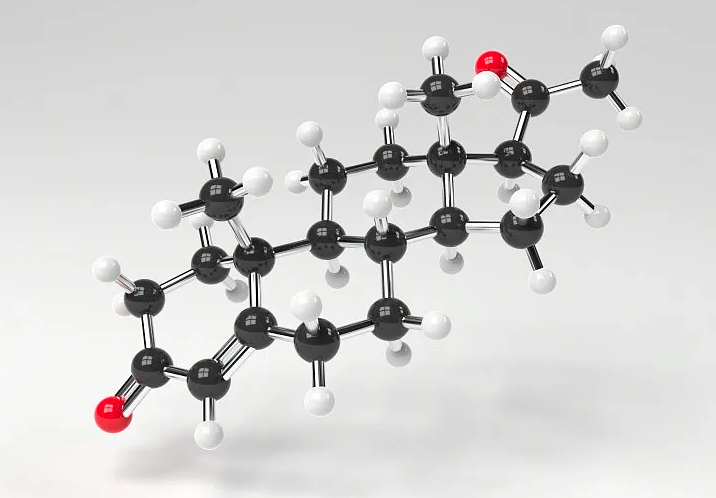
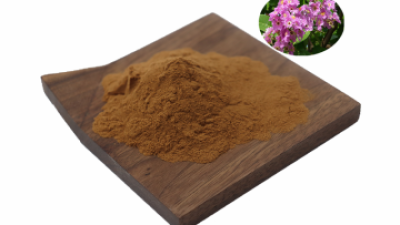
Recent clinical and market research has shed light on the efficacy of Lagerstroemia Speciosa extract, particularly focusing on its active compound, corosolic acid. Known for its potential health benefits, corosolic acid is recognized for its ability to aid in glucose metabolism and exhibit anti-inflammatory properties. The compound, with CAS number 4547-24-4 and a molecular formula of C30H48O4, has been the subject of numerous studies that highlight its promising effects on blood sugar regulation and overall metabolic function.
Market interest in corosolic acid is on the rise, especially in the health and wellness sector. The extract's specification of corosolic acid at 20% ensures a potent formulation, making it a desirable choice for manufacturers looking to incorporate natural ingredients into their products. When sourced from reliable suppliers, this ingredient can be shipped swiftly, typically within 1-3 days, and is best stored in a cool and dry place to maintain its efficacy. Payment options are flexible, featuring major methods like T/T, VISA, and Alipayment, while shipping can be arranged via trusted carriers such as DHL and FedEx, ensuring timely delivery to meet the growing demand in the marketplace.
FAQS
: Stevia leaf extract is a natural sweetener derived from the Stevia Rebaudiana plant. It is zero-calorie and low glycemic.
Stevia is 50 to 300 times sweeter than sugar. This makes it ideal for lower usage in food production.
The two main types are Stevioside and Rebaudioside A. Rebaudioside A is often favored for its cleaner taste.
Leaf quality and extraction methods significantly influence the taste and sweetness of the final product.
Yes, challenges include quality control, crop yield variability, and consumer perceptions regarding aftertaste.
Certifications ensure safety and quality for consumers. They indicate that products meet high standards.
Consumers should check for legitimate certifications like USDA Organic and Non-GMO Project Verified when selecting products.
Different methods, such as alcohol or water extraction, can affect sweetness levels and flavor nuances.
Some consumers report a lingering aftertaste, which can deter them from choosing stevia over sugar alternatives.
Producers can focus on refining extraction methods to address quality and flavor concerns in the market.
Conclusion
Stevia Leaf Extract has gained significant attention as a natural sweetener, and understanding its various types and benefits is essential for global buyers. This comprehensive overview delves into the different forms of Stevia Leaf Extract available in the market, emphasizing the importance of selecting products based on key factors such as purity, taste profile, and source sustainability.
In addition to the health benefits, which include being a low-calorie alternative to sugar, the article also highlights the significance of regulatory standards and certifications that ensure product safety and quality. Furthermore, it addresses the sustainability practices in Stevia production, appealing to environmentally conscious consumers. As the demand for natural sweeteners rises, navigating these aspects will be crucial for buyers considering Stevia Leaf Extract in 2026.