Leave Your Message

Reasons for contact:

Where are you in your project?

Product Type(s) of Interest

0%

When it comes to sourcing Liposomal Vitamin C, global buyers know it’s not just about landing on a nicely designed product page. They really need solid proof—evidence, consistency, and reliable supply support—to feel confident. So, this guide introduces seven top suppliers, helping you evaluate who’s actually worth considering. It looks into things like manufacturing experience, formulation know-how, quality control systems, and how dependable they are with exports.

We dive into important details like where the phospholipids come from, the vitamin C concentration, particle sizes, and stability tests—stuff that really matters when products cross borders. Packaging performance is another biggie, especially under heat, humidity, or long shipping routes. Plus, you’ll want to keep an eye on minimum order quantities, lead times, private-label options, and the proper paperwork for your destination market. Nothing kills a deal faster than miscommunication or delays that could’ve been avoided.

And let’s be honest—no supplier is perfect. Having a slick website is nice, but it’s not the real deal. The real test comes down to consistent documentation and how quick they are to respond to your questions. Some suppliers might have awesome formulations but limited customization options, while others offer flexible packaging but weaker proof of stability. That’s a detail you shouldn’t overlook. The companies listed here are practical options, not just random choices—you need to see what fits your market, budget, preferred dosage format, and compliance needs.

Before placing an order, always ask for current specifications. Keep in mind that product claims can change, and testing methods aren’t always consistent. Even a sample that looks impressive might not reflect every batch they produce. Doing a thorough comparison based on verified records helps you avoid costly mistakes and lowers the risks—commercial and quality-wise. Basically, taking this kind of careful approach means you can make smarter purchasing decisions without overestimating what the supplier can do for you.

7 Best Liposomal Vitamin C Suppliers for Global Buyers

What Is Liposomal Vitamin C and How Does It Work?

What Is Liposomal Vitamin C and How Does It Work?

Liposomal vitamin C places ascorbic acid inside tiny phospholipid bubbles. These bubbles resemble cell membranes and may help transport vitamin C through the digestive tract. The idea is simple. The evidence is still developing.

The NIH Office of Dietary Supplements reports that adults generally need 75–90 mg daily. It also sets 2,000 mg as the tolerable upper intake level for adults. Higher intakes may cause diarrhea, cramps, or nausea. Liposomal formats may improve absorption, but human studies remain limited and inconsistent. A 2023 review in Nutrients noted that delivery systems can influence bioavailability, yet formulation quality strongly affects results. EFSA’s dietary reference values also emphasize that vitamin C needs vary with age, sex, and lifestyle.

Tips: When assessing Liposomal Vitamin C Powder, ask for independent testing, vitamin C assay results, particle-size data, and stability testing. Check whether the powder clumps after opening. Moisture can damage its performance. Do not rely on “maximum absorption” claims alone. Compare the stated vitamin C amount with the actual serving size. A transparent supplier should explain its phospholipid source and storage conditions. One practical concern is often overlooked: better delivery does not automatically mean better health outcomes.

7 Best Liposomal Vitamin C Suppliers for Global Buyers - What Is Liposomal Vitamin C and How Does It Work?

Liposomal vitamin C uses microscopic phospholipid vesicles to surround water-soluble vitamin C. This structure is designed to help protect the nutrient during delivery and may influence intestinal absorption, although results can vary by formulation and individual factors.

The chart shows established adult vitamin C reference values rather than supplier or brand performance data. The recommended dietary allowance is 90 mg per day for adult men and 75 mg per day for adult women. Adults who smoke require an additional 35 mg per day. The tolerable upper intake level for adults is 2,000 mg per day. Values are based on reference information from the U.S. National Institutes of Health Office of Dietary Supplements.

Key Standards for Evaluating Global Liposomal Vitamin C Suppliers

Choosing a reliable Liposomal Vitamin C Powder supplier requires more than comparing prices. Global buyers should request a recent certificate of analysis for every batch. It should confirm vitamin C content, moisture, microbial limits, heavy metals, and residual solvents. Independent laboratory testing adds credibility, especially when supplier claims seem unusually strong. Ask about the phospholipid source, encapsulation method, particle-size data, and protection from heat and oxygen. A clear specification sheet should match the actual product, not a generic template.

Manufacturing quality also matters. Look for documented GMP systems, batch traceability, validated cleaning procedures, and controlled storage conditions. Suppliers should provide stability data under realistic temperature and humidity conditions. Shipping records can reveal practical weaknesses; a perfect sample may arrive degraded after weeks in transit. Request samples from different batches and test their dispersibility, taste, appearance, and potency over time. Communication is evidence, too. Reliable teams answer technical questions directly and disclose limitations.

No supplier is perfect. I would treat vague “high absorption” language carefully. A low price can hide weak testing or inconsistent raw materials. Buyers should also review export documents, labeling support, allergen statements, and destination-market requirements before ordering. My own evaluation would include a small pilot purchase first. That step costs more time, but it can expose problems that polished brochures conceal.

Supplier One: Large-Scale Manufacturing and International Distribution

A large-scale liposomal vitamin C supplier needs more than impressive output numbers. Buyers should inspect manufacturing records, batch controls, and export experience. Modern facilities may use high-shear mixing, controlled filling, and automated inspection to maintain particle consistency. Yet equipment alone proves little. Ask for recent certificates of analysis, stability data, allergen statements, and microbial test results. A dependable supplier can explain how vitamin C is protected from oxygen, heat, and light. Packaging details matter too. Amber bottles, sealed sachets, and moisture barriers can reduce exposure during storage. I would request pilot samples before placing a full container order. Small differences often appear only after transport.

International distribution adds another layer of practical risk. The supplier should provide clear shipping terms, traceable lot numbers, and documents prepared for the destination market. Experience with multiple regions can help, but it does not replace local compliance review. Buyers should confirm labeling rules, permitted ingredients, shelf-life requirements, and import procedures with qualified specialists. A serious manufacturer should also describe its recall process and complaint handling time. Ask whether production capacity is reserved during seasonal demand. Large factories can still miss deadlines. Some suppliers also produce Liposomal Coenzyme Q10, which may support broader portfolio planning, but shared lines require careful changeover controls. I would not rely on polished presentations alone. Direct facility questions reveal more.

Supplier Two: Certified Quality Control and Laboratory Testing

Supplier Two: Certified Quality Control and Laboratory Testing

A reliable liposomal vitamin C supplier should show more than polished product photographs. Their quality system must connect each batch to clear laboratory evidence. Ask for a current certificate of analysis, batch number, production date, and testing methods. Important checks include vitamin C potency, identity, microbial limits, heavy metals, and residual solvents. For liposomal formulas, particle size and encapsulation efficiency also matter. These results help buyers compare consistency across shipments.

The laboratory should use validated procedures and suitable quality standards. Independent testing adds credibility, especially when results come from an ISO-accredited or qualified third-party facility. Review sample reports carefully. Check whether the laboratory name, test date, specification range, and analyst approval appear clearly. A certificate alone can still leave questions. Testing frequency matters too. One old report cannot represent every future batch.

Tips: Request a pre-shipment sample and matching test report. Confirm that the sample’s lot number matches the documents. Ask how the supplier monitors oxidation during storage and transport. Dark, sealed packaging and controlled temperatures may protect product quality, but packaging claims need evidence. During my own supplier reviews, I have found missing particle-size data surprisingly common. That gap does not prove poor quality, yet it deserves a direct explanation. Keep written records of every answer.

Supplier Three: Custom Formulation and Private Label Services

Supplier Three should be judged by formulation evidence, not glossy packaging. Grand View Research estimated the global dietary supplements market at USD 177.5 billion in 2023. Continued growth is expected through 2030. This attracts private-label entrants, but liposomal claims require careful verification. A capable supplier can adjust vitamin C concentration, phospholipid source, flavor, sweetness, and serving format. It should explain how each choice fits the target market and intended use.

Request batch-specific certificates of analysis, third-party testing, and stability records. The technical dossier should state potency, particle-size distribution, encapsulation efficiency, pH, and microbiological results. Liposomal does not automatically mean superior. Published reviews in Nutrients have noted uneven evidence across delivery systems. The Council for Responsible Nutrition reported that 75% of U.S. adults used dietary supplements in its 2024 consumer survey. That demand increases the value of transparent formulation data.

Private-label execution also depends on minimum order quantities, lead times, packaging compatibility, and export documentation. Experienced buyers often request a pilot batch before approving larger production. Test it under realistic storage conditions. Flavor may change after several weeks. A supplier should record deviations and explain corrective actions. No formulation is perfect. Even strong technical teams can underestimate heat, light, or container interaction. Clear change-control procedures protect consistency when ingredients or packaging materials change.

7 Best Liposomal Vitamin C Suppliers for Global Buyers - Supplier Three: Custom Formulation and Private Label Services

Evaluation Dimension Typical Offering Buyer Value Verification Points
Core Product Format Liposomal vitamin C supplied as liquid, powder, capsules, or sachets, subject to the selected formula. Supports different market preferences, delivery formats, and retail price points. Confirm dosage form, serving size, physical appearance, flavor, and storage requirements.
Active Ingredient Specification Vitamin C may be provided as ascorbic acid, a mineral ascorbate, or another declared vitamin C source. Allows the formula to be adapted for acidity, tolerability, regulatory positioning, and consumer needs. Request the ingredient specification, assay method, source documentation, and finished-product certificate of analysis.
Liposomal Delivery System Formulation may use phospholipids, commonly derived from sunflower or soy, to create a liposomal carrier system. Provides a defined product concept for buyers seeking a phospholipid-based delivery format. Verify phospholipid source, allergen status, particle-size data, encapsulation testing, and stability results.
Custom Formulation Formula adjustments can include vitamin C strength, complementary nutrients, flavor system, sweetener, color, and excipient selection. Helps create a differentiated product aligned with local consumer preferences and regulatory rules. Ask for formulation samples, ingredient compatibility data, allergen declarations, and change-control procedures.
Private Label Support Private label services may cover label layout coordination, packaging selection, artwork review, and finished-goods preparation. Reduces the number of external suppliers required before market launch. Confirm ownership of artwork, print approvals, packaging specifications, and label compliance responsibility.
Quality and Safety Testing A complete quality package commonly includes identity, potency, microbiological, heavy-metal, and contaminant testing where applicable. Improves traceability and supports importer, retailer, and regulatory review. Request batch-specific certificates, laboratory methods, sampling procedures, and retention-sample policies.
Manufacturing Standards Manufacturing should operate under documented good manufacturing practices and a controlled quality-management system. Provides a structured basis for consistent production, sanitation, batch records, and complaint handling. Check current certifications, audit scope, certificate validity, facility address, and product-category coverage.
Stability and Shelf Life Shelf-life claims should be supported by real-time or accelerated stability studies using the final package. Helps buyers select suitable packaging and define transport and storage conditions. Request stability protocols, test intervals, packaging configuration, temperature conditions, and proposed expiry period.
Packaging Options Available formats may include amber bottles, opaque containers, blister packs, jars, stick packs, and sachets. Packaging can be matched to light sensitivity, moisture protection, dosage convenience, and shipping requirements. Confirm material compatibility, closure system, tamper evidence, fill count, carton dimensions, and recycling information.
Regulatory Documentation Documentation may include specifications, certificates of analysis, ingredient statements, allergen declarations, and export documents. Supports product registration, customs clearance, distributor onboarding, and retailer compliance checks. Review destination-country requirements before approving claims, dosage, ingredients, and label wording.
International Logistics Export support may include commercial invoices, packing lists, certificates of origin, and shipment coordination. Makes cross-border purchasing easier for distributors and regional brand owners. Confirm Incoterms, temperature limits, pallet configuration, transit-time assumptions, and responsibility for import compliance.
Best Fit for Global Buyers Importers, distributors, healthcare retailers, and emerging supplement brands requiring a tailored liposomal vitamin C product. Combines formulation flexibility with private label execution and documentation support. Compare confirmed specifications, audited capabilities, samples, total landed cost, and destination-market compliance before purchase.

Note: Specific formulation parameters, certifications, minimum order quantities, lead times, and claims should be confirmed directly for the selected production facility and destination market.

Supplier Four: Flexible Minimum Orders and Packaging Solutions

Supplier Four: Flexible Minimum Orders and Packaging Solutions

Flexible minimum order quantities matter when buyers test regional demand. A supplier offering pilot runs can reduce expired stock and protect working capital. Grand View Research reports that the global dietary supplements market reached about USD 177.5 billion in 2023. Growth creates opportunity, but demand forecasts remain imperfect. Smaller trial batches are practical.

Experienced suppliers should offer several formats. Amber glass bottles may protect light-sensitive liquid formulas. Sachets can support travel retail and single-dose sampling. Larger commercial orders may need induction seals, nitrogen flushing, tamper evidence, and serialized labels. Ask for fill-weight controls, packaging compatibility tests, and accelerated stability data. A flexible supplier should also explain how MOQ changes with container type, closure, artwork, and filling speed. Transparency beats a low headline price.

Tips: Request a written MOQ table before approving samples. Confirm whether packaging is food-contact compliant in each target market. Review the certificate of analysis, microbial results, heavy-metal limits, and batch traceability. The Council for Responsible Nutrition has repeatedly emphasized quality systems and testing across supplement manufacturing. Do not treat a polished sample as proof of long-term stability. I have seen packaging choices look economical until freight, cartons, and label revisions were added. Leave room for those costs.

Supplier Five: Regulatory Compliance and Export Support

Regulatory compliance is not a certificate placed in a sales folder. It is a working system that protects every shipment. A dependable liposomal vitamin C supplier should provide current GMP, HACCP, or equivalent quality records. These records must match the actual manufacturing site. Buyers should also request batch-specific certificates of analysis, including vitamin C potency, microbiological results, heavy metals, and allergen status. Liposomal details matter too. Ask for phospholipid source, particle-size testing, stability data, and storage conditions. Vague answers are warning signs.

Export support should be practical, not promotional. The supplier should prepare accurate commercial invoices, packing lists, certificates of origin, and product specifications. Label files should show ingredients, net contents, serving information, lot numbers, expiry dates, and required warnings for the destination market. Importers must verify local rules themselves. A supplier can help review labels, but cannot replace legal advice or customs responsibility. That distinction is important.

Request traceability from raw material receipt to finished batch. Test the document flow with one sample shipment. Can the supplier explain who approved the release and when? Can they confirm whether the product needs special temperature or humidity controls? Small gaps can delay customs clearance. In my experience, paperwork is often reviewed later than quality testing, which is a mistake. I would also check translated documents carefully, because one unclear ingredient name can create unnecessary questions. No system is perfect. Consistent records and honest responses matter more than polished promises.

How to Compare the Seven Suppliers and Choose the Right Partner

Comparing seven liposomal vitamin C suppliers requires more than checking price lists. Review their manufacturing experience, quality systems, and export history. Ask for recent certificates of analysis, heavy metal results, microbiological testing, and batch traceability records. A clear document trail shows whether a supplier understands professional procurement.

Request product samples before discussing large orders. Examine the liquid’s color, odor, taste, and sediment after storage at room temperature. Ask how the liposomal structure is tested, which phospholipids are used, and whether the formula contains unnecessary additives. Suppliers offering related products, such as Coenzyme Q10 Liposomal, may demonstrate broader formulation knowledge, but this does not automatically prove better vitamin C quality.

Commercial details can change the decision. Compare minimum order quantities, sample fees, production lead times, packaging options, and shipping conditions. Confirm whether labels and technical documents support your target market’s requirements. A responsive supplier should answer specific questions without hiding behind generic claims. No supplier is perfect. One may offer excellent testing but limited flexibility, while another may provide fast delivery with weaker evidence. I would score each supplier against the same checklist, then speak with technical staff before choosing a partner. Personal judgment still matters, especially when documents look complete but practical communication feels uncertain.

High Absorption Food Grade Liposomal CoQ10 Powder: Benefits, Uses, and Quality Considerations

High-absorption food-grade liposomal CoQ10 powder is gaining attention as manufacturers seek efficient delivery formats for functional foods, beverages, and dietary supplements. Coenzyme Q10 is naturally involved in cellular energy production and antioxidant defense, while its low water solubility can limit dispersion and absorption. Industry market analyses published in 2024 estimate that the global CoQ10 market will expand at an annual rate of approximately 8% through the end of the decade, driven by growing interest in healthy aging, energy support, and sports nutrition. Liposomal encapsulation is designed to improve dispersion and help protect CoQ10 during processing, although final performance depends on the formulation and dosage.

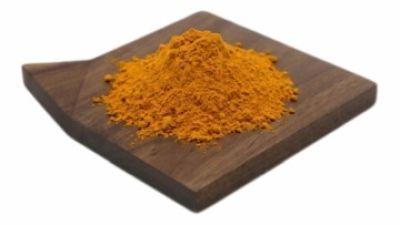
Liposomal Coenzyme Q10 is supplied as an orange-yellow, food-grade powder suitable for customized product development. It can be incorporated into capsules, sachets, powdered drinks, and other nutritional formulations, subject to stability and compatibility testing. Quality considerations include raw-material identity, moisture control, particle uniformity, microbiological testing, and documented manufacturing procedures. The product is manufactured under cGMP, ISO22000, ISO9001, Kosher, BRC, and Halal standards, supporting quality management and international market requirements. Available packaging includes 1 kg bags and 25 kg drums. For best stability, store in a cool, dry place away from direct light. Standard payment options include T/T, VISA, XTransfer, and Alipay, with shipping typically arranged within 3–5 days.

FAQS

What should buyers request from a liposomal vitamin C supplier?

Request a recent certificate of analysis for each batch. It should show potency, moisture, microbial limits, heavy metals, and residual solvents.

Which liposomal test results deserve special attention?

Review particle size and encapsulation efficiency. These results help confirm formulation consistency. Missing data is not automatic proof of poor quality, but it needs explanation.

How can buyers verify a certificate of analysis?

Check the batch number, production date, laboratory name, test date, and specification range. The sample lot should match the report. Old documents may not represent future batches.

Why does independent laboratory testing matter?

Independent testing adds credibility to supplier claims. A qualified third-party laboratory should use validated procedures. Strong claims still need evidence.

What manufacturing records should a supplier provide?

Look for GMP documentation, batch traceability, validated cleaning procedures, and controlled storage records. These details connect the finished powder to its production history.

How should buyers evaluate shipping and storage protection?

Ask for stability data under realistic heat and humidity conditions. Review protection from oxygen, temperature changes, and moisture. A perfect sample can degrade during long transit.

What practical tests can buyers perform on samples?

Compare samples from different batches for dispersibility, taste, appearance, and potency over time. A small pilot order is useful. It may reveal problems hidden by polished brochures.

What warning signs should buyers treat carefully?

Be cautious with vague “high absorption” language, unusually low prices, and generic specification sheets. Ask direct technical questions and record every answer. Communication can expose weak documentation, though it is not perfect evidence.

Conclusion

Liposomal Vitamin C is a modern delivery form of vitamin C in which the nutrient is enclosed in microscopic lipid layers. This structure is designed to help protect vitamin C during digestion and support efficient absorption. For global buyers, selecting a reliable supplier requires more than comparing prices. Important factors include manufacturing capacity, ingredient quality, laboratory testing, production consistency, and clear documentation.

The seven supplier categories in this guide highlight different purchasing priorities. Some suppliers focus on large-scale manufacturing and international distribution, while others provide certified quality control, custom formulations, private label services, flexible minimum order quantities, and practical packaging options. Regulatory compliance and export support are also essential for smooth international transactions. To choose the right partner, buyers should compare certifications, testing procedures, production capabilities, customization options, lead times, communication, and total costs. A supplier that matches both current requirements and long-term business plans can provide a more dependable foundation for global Liposomal Vitamin C sourcing.

Lucas

Lucas

Lucas is a dedicated marketing professional at Shaanxi Yuantai Biological Technology Co., Ltd., where he plays a pivotal role in promoting the company's diverse range of products. With a high level of expertise in plant extracts, nutritional supplements, cosmetic raw materials, and organic......
Previous 7 Best Fish Collagen Powder Suppliers for Global Buyers?