Choosing the right creatine powder isn’t about grabbing the loudest label or the priciest tub on the shelf. Honestly, it’s more about taking a closer look at the ingredients, checking out the testing info, considering the serving size, and thinking about how you plan to use it daily. Dr. Jose Antonio, a well-respected sports nutrition researcher and co-founder of the International Society of Sports Nutrition, has said that “creatine monohydrate is the most effective nutritional supplement available to athletes.” That’s a solid point to start with, and it helps give some good direction here.
Basically, creatine monohydrate is still the gold standard. When you’re shopping around, a trustworthy product should clearly list Pure Creatine monohydrate, without unnecessary stimulants, proprietary blends, or exaggerated promises. It’s also smart to look for brands that share transparent manufacturing details and have products tested independently—look for certifications from places like NSF Certified for Sport or Informed Sport. Brands like Optimum Nutrition, Thorne, and Klean Athlete are good examples—they prioritize quality control, but keep in mind, formulations and certifications can change, so always double-check the label.
Mixability is another thing to keep in mind. Nothing’s more annoying than a powder that clumps up and settles like wet sand—that can make everyday use pretty frustrating, even if the formula itself is solid. Usually, unflavored powders tend to be simpler, mix easily with water, juice, or your post-workout shake, and generally don’t come with extra fillers. Creapure, produced by Alzchem Group, is a well-known ingredient source, but just having that doesn’t automatically make every product superior—so don’t rely on that alone.
There's really no one-size-fits-all answer here. Your personal tolerance, budget, training goals, and how well the product has been tested all matter a lot. I tend to lean toward simplicity myself, but sometimes flavored options can help with consistency—you know, making it easier to actually take regularly. If you have conditions like kidney issues, or are pregnant or on medication, it’s always best to check with a healthcare pro before you start supplementing. This guide is mainly about sticking to the facts, checking labels carefully, and keeping things realistic for daily use—no hype, just honest info.
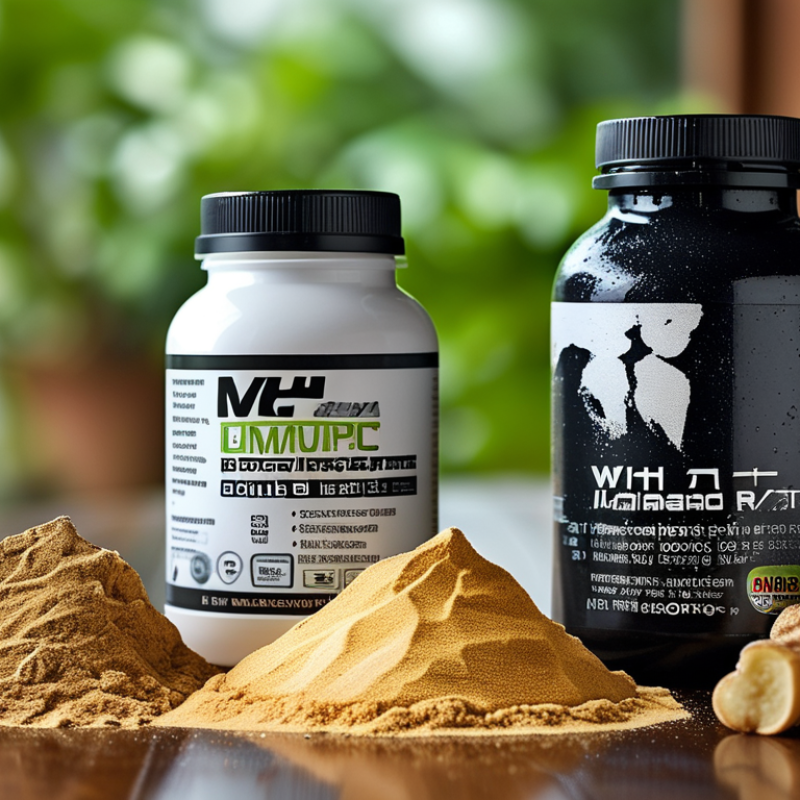
Creatine powder is a storage form of creatine, a compound found naturally in muscle cells. It helps recycle adenosine triphosphate during short, intense efforts, such as lifting or sprinting. The International Society of Sports Nutrition reports that creatine monohydrate is the most studied form. Evidence supports improved strength, power, and training capacity when paired with resistance exercise.
A common approach uses 3–5 grams daily. Some athletes load 20–25 grams daily for five to seven days, divided into smaller servings. Loading may raise muscle creatine faster, but it is not essential. The National Institutes of Health notes that creatine can increase body weight through water stored inside muscle cells. That is not the same as fat gain. A glass of water, a training log, and patience matter more than dramatic advertising.
When choosing Bulk Creatine Powder, check the ingredient panel carefully. A plain creatine monohydrate powder is usually easier to evaluate than a crowded blend. Look for independent testing, clear serving information, batch details, and proper storage guidance. Large packaging may reduce cost, but it does not prove better purity. I would also question products promising instant muscle growth. Results vary with diet, sleep, training age, and adherence. The evidence is strong, though not perfect. Some labels still leave important details unclear.
What Is the Best Creatine Powder to Buy? The strongest scientific support belongs to Creatine Monohydrate Powder. The International Society of Sports Nutrition’s 2021 position stand describes creatine monohydrate as the most researched and effective form for increasing high-intensity exercise capacity and lean body mass. A 2022 meta-analysis in Sports Medicine also found that creatine combined with resistance training improved strength more than training alone.
The evidence is practical, too. Most adults can use 3–5 grams daily, mixed into water, milk, or a post-workout drink. A loading phase of about 20 grams daily, divided into four servings for five to seven days, may raise muscle stores faster. It is optional. Some powder may settle at the bottom of the glass. That is normal.
Look for a product listing creatine monohydrate as the only active ingredient. Independent testing for identity and purity adds useful reassurance. Fancy forms often claim better absorption, but clinical evidence remains far thinner. I would not treat one impressive study as proof of superiority. Research quality varies, and many trials use small groups. People with kidney disease, pregnancy, or relevant medical concerns should seek professional advice before supplementing. Hydration still matters, even though current reviews do not show that creatine causes harmful dehydration in healthy adults.
Choosing the best creatine powder starts with evidence, not a bright label or a discount. In my experience, Pure Creatine Monohydrate Powder is easiest to assess when the ingredient list has one active ingredient. The label should state creatine monohydrate clearly, with an exact serving size and no proprietary blend. “100% pure” sounds reassuring, but it remains only a claim. Check the manufacturing lot. Small details matter.
Look for a certificate of analysis tied to that lot number. A credible report should identify the testing method, laboratory, date, and measured results. It should cover creatine identity and strength, plus heavy metals, microbes, and other contaminants. Independent laboratory testing adds confidence when the laboratory’s qualifications are visible. A logo alone proves little. I once treated a testing badge as final proof. That was careless. A certificate can also be outdated, incomplete, or unrelated to your container.
Read the full ingredient and allergen statements, including flavoring, sweeteners, capsules, or anti-caking agents. Plain powder usually makes comparison easier, though texture can vary. A gritty scoop is not automatic evidence of poor purity. Water temperature and mixing time affect it. Not always. Choose packaging with a sealed inner liner, clear lot information, and sensible storage directions. If the seller will not provide documentation, pause before buying. Reliable evidence is sometimes boring. That is precisely why it deserves attention.
Choosing a creatine powder starts with the dose, not the largest tub.
Powder Creatine Monohydrate remains the most studied form in sports nutrition. The International Society of Sports Nutrition reports that 3–5 grams daily supports muscle creatine saturation for many healthy adults. A plain powder also makes serving sizes easier to check.
A loading phase is optional.
The same position stand describes about 0.3 grams per kilogram of body weight daily for five to seven days, usually divided into four or five servings. For a 70-kilogram adult, that equals roughly 21 grams per day.
Without loading, 3–5 grams daily can still work, but saturation takes longer. One level teaspoon may not equal five grams. Use a scale when possible.
Take the powder with water, milk, or a regular meal. Consistency matters more than a complicated timing strategy. A 2021 review in the Journal of the International Society of Sports Nutrition also supports daily maintenance dosing after saturation.
My practical mistake was treating every scoop as identical; product density can vary.
People with kidney disease, pregnancy, or ongoing medical treatment should ask a qualified clinician before supplementing. Hydration advice also needs context, because forcing excessive water is not automatically safer.
What Is the Best Creatine Powder to Buy?
Which Product Features Matter for Different Users
The best creatine powder depends on your routine, budget, and tolerance. For most adults, plain creatine monohydrate offers the strongest evidence and simple dosing. Look for a product listing creatine as the only active ingredient. Avoid proprietary blends that hide exact amounts. A 3–5 gram serving is commonly used, but individual needs can differ.
Beginners should prioritize clear instructions and easy mixing. A fine powder dissolves better in water, yogurt, or a post-workout shake. Athletes may value independent batch testing, accurate labeling, and secure packaging. These details can reduce contamination concerns and improve confidence in product quality. Check the lot number, expiration date, and storage guidance. Small details matter.
People with sensitive stomachs might prefer an unflavored formula without sweeteners or extra stimulants. Travelers may choose single-serve packets, although they often cost more per serving. Anyone following dietary restrictions should check allergen statements and manufacturing information. Creatine is not a shortcut, and hydration still matters. I once focused too much on powder texture and ignored consistent training. That was a poor choice. People with kidney conditions, pregnancy, or ongoing medical treatment should ask a qualified healthcare professional before using supplements.
Which product features matter most depends on your training goals, budget, and tolerance for additives.
Relative buying-priority score from 0 to 10. Creatine monohydrate has the strongest research support, while a daily maintenance intake of approximately 3–5 g is commonly used. Testing, clear dosing, mixability, and price per effective serving become more important for different user needs.
Choosing a creatine powder begins with the ingredient label, not the container design. Creatine monohydrate is the most studied form and is usually a practical option. Look for a clear ingredient list, a stated serving size, and independent quality testing when available. A lower price can help, but unexplained blends make assessment harder. I have learned that “advanced” wording does not prove better results. Check the seal.
Mix the measured serving with water, milk, or another drink according to the product directions. Many adults use three to five grams daily, but personal needs vary with body size, diet, and medical history. A loading phase is optional and may cause stomach discomfort. Take creatine consistently; timing usually matters less than regular use. Drink normally. If you have kidney disease, are pregnant, take medication, or receive medical care, ask a qualified healthcare professional before using it. Do not treat online advice as a diagnosis.
Keep the powder tightly closed in a cool, dry cupboard away from steam, sunlight, and children. A bathroom shelf is a poor choice. Use a dry scoop, and never return damp powder to the container. Discard it if the seal is broken, the smell changes, or moisture causes unusual clumping. Mild clumping alone may not prove spoilage, but I would not ignore uncertainty. Recording the batch number and purchase date can support safer product checks.
| Assessment Dimension | Evidence-Based Guidance | Practical Buying or Use Check | Safety Notes |
|---|---|---|---|
| Preferred creatine form | Creatine monohydrate is the most extensively studied form and is generally the standard first choice for improving muscle creatine stores and supporting high-intensity exercise performance. | Choose a powder that clearly lists creatine monohydrate as the active ingredient and avoids unnecessary proprietary blends. | Alternative forms have not consistently demonstrated superior benefits over monohydrate when equivalent amounts of creatine are provided. |
| Ingredient transparency | A simple ingredient list makes it easier to identify the actual creatine dose, sweeteners, flavorings, allergens, and other additives. | Look for a complete Supplement Facts or ingredient panel, serving size, net contents, lot number, and expiration or best-before date. | Avoid products with undisclosed amounts or stimulant ingredients if you want a straightforward creatine supplement. |
| Standard daily maintenance dose | A commonly studied maintenance intake is 3–5 g per day for healthy adults. | Use a level scoop only if the label confirms its weight; a gram scale can improve accuracy when the scoop size is uncertain. | Taking more than needed does not necessarily produce additional benefits and may increase the chance of stomach discomfort. |
| Optional loading protocol | Some protocols use approximately 20 g per day, divided into four 5 g servings, for about 5–7 days, followed by 3–5 g daily. | Loading may raise muscle creatine stores faster, but it is optional; daily maintenance use reaches similar saturation over a longer period. | Dividing doses with meals or fluids may improve tolerance. Stop or reduce the dose if persistent gastrointestinal symptoms occur. |
| Timing | Consistent daily intake is more important than taking creatine at a specific minute before or after exercise. | Take it at a time that is easy to remember, mixed with water or another suitable beverage. | Do not treat creatine as a substitute for adequate food, fluids, sleep, or a balanced training program. |
| Solubility and texture | Creatine monohydrate may not dissolve completely in cold liquids, and some settling is normal. | Mix thoroughly in room-temperature liquid and consume soon after mixing; warm liquid can improve dissolution. | Texture alone is not a reliable measure of purity or effectiveness. |
| Expected physical changes | An increase in body weight may occur because muscles retain more water; this is not the same as fat gain. | Track body weight, training performance, and measurements over several weeks rather than judging results after a few days. | Report unusual swelling, severe weakness, or other concerning symptoms to a healthcare professional. |
| Storage conditions | Dry creatine powder is generally best protected from moisture, heat, and direct sunlight. | Keep the container tightly closed in a cool, dry cupboard and use a clean, dry scoop. | Discard the product if it develops persistent dampness, mold, an unusual odor, or visible contamination. |
| Quality verification | Independent testing can help verify identity, potency, contaminants, and manufacturing controls, although no certification guarantees individual results. | Prefer products with a verifiable third-party testing seal or accessible certificate of analysis linked to the relevant lot. | Check that the certificate identifies the same product and lot number rather than relying only on general marketing claims. |
| Label and package inspection | Accurate labeling should include the ingredient amount, serving information, manufacturer or responsible party details, and a traceable lot identifier. | Do not buy containers with broken seals, unreadable labels, missing dates, or inconsistent packaging information. | Purchase from a reputable source and be cautious of unusually low prices or unsupported claims about rapid results. |
| Hydration approach | Creatine does not automatically require excessive water intake. Normal hydration based on thirst, activity, climate, and sweat loss is appropriate for most healthy adults. | Drink regularly throughout the day and replace fluids after substantial sweating. | Avoid forcing very large amounts of water, which can also be harmful. |
| Kidney and medical considerations | Healthy adults generally tolerate recommended creatine intakes, but people with kidney disease or other medical conditions need individualized advice. | Consult a qualified healthcare professional before use if you have kidney disease, are pregnant or breastfeeding, or take medicines that may affect kidney function. | Tell clinicians that you use creatine because it can increase blood creatinine without necessarily indicating reduced kidney function. |
| Overall selection rule | For most healthy adults, the best-value option is usually a clearly labeled, single-ingredient creatine monohydrate powder with reliable quality documentation. | Prioritize ingredient clarity, accurate dosing, lot traceability, independent testing, price per gram, and suitability for your dietary needs. | Supplements should complement—not replace—professional medical advice, especially when symptoms or health conditions are present. |
General information only; individual needs may vary. Consult a healthcare professional for personalized guidance.
Creatine powder stores creatine in muscle cells. It helps recycle energy during short, intense efforts, such as lifting or sprinting.
Many adults use 3–5 grams daily. A loading phase may use 20–25 grams daily for five to seven days. It is optional.
Loading can raise muscle creatine levels faster. Daily use without loading can also work. Patience still matters.
It may increase body weight through water stored inside muscle cells. This is not the same as gaining fat. Check your training log.
Look for clearly listed creatine monohydrate, exact serving details, lot information, and storage instructions. Avoid blends hiding individual amounts.
Look for a certificate of analysis linked to your lot number. It should show the laboratory, test method, date, and measured results.
No. A logo alone proves little. I once trusted a testing badge too quickly. That judgment was weak.
Beginners may prefer clear dosing and easy mixing. Sensitive stomachs may favor unflavored powder without sweeteners or stimulants. Travelers may choose single-serve packets.
Mix it with water, yogurt, or a shake. Water temperature and mixing time affect texture. Store it in sealed packaging, following label directions.
People with kidney conditions, pregnancy, or ongoing medical treatment should consult a qualified healthcare professional. Hydration matters. Creatine is not a shortcut.
Creatine Powder is a widely studied sports nutrition supplement that helps replenish phosphocreatine stores, supporting short bursts of high-intensity effort and long-term training progress. Among available forms, creatine monohydrate has the strongest scientific support because it is effective, well studied, and generally affordable. When comparing products, look for a clear ingredient label, minimal unnecessary additives, transparent serving information, and evidence of independent quality testing. Purity and accurate dosing are more important than attractive flavors or complex blends.
For most healthy adults, a daily serving of 3–5 grams is a practical approach. A loading phase may increase muscle stores more quickly, but it is optional and can cause temporary water retention or digestive discomfort for some people. Choose a product that suits your preferences, whether that means unflavored powder, easy mixing, or convenient single servings. Store it in a cool, dry place, use it consistently, and assess results over several weeks. Anyone with a medical condition, using medication, or concerned about supplementation should consult a qualified healthcare professional before starting.