Leave Your Message

Reasons for contact:

Where are you in your project?

Product Type(s) of Interest

0%

Picking the right Bovine Collagen Capsules can honestly feel pretty overwhelming, especially if you're buying from all over the world. The thing is, product quality can really vary depending on the supplier, location, and even the batch it comes from. And just because a label looks nice doesn’t mean the product will actually perform well or be reliable.

So, in this guide, I’ve rounded up seven top options and looked at some practical stuff you should consider before buying. Things like where the bovine comes from, what type of collagen it contains, how concentrated the peptides are, what the capsules are made of, and how much you should take each day. We also delve into things like third-party testing, Certificates of Analysis, heavy metals, microbiology results, and allergen info. Basically, transparency and traceability matter a lot — so you want to know exactly where and how it’s made. Before hitting ‘buy,’ make sure to check the manufacturing site, batch number, expiry date, and storage instructions.

Keep in mind, rules and regulations aren’t the same everywhere. What’s acceptable in one country might need extra paperwork or different labeling in another. If you're importing, it’s smart to look into local rules about health claims, animal ingredients, additives, and labels. GMP certification can give you some peace of mind, but double-check that it’s current and verified — not everyone’s on the same page with this.

Now, these picks aren’t one-size-fits-all. Everyone has their own priorities. Some folks might prefer hydrolyzed peptides for easier mixing into drinks, while others might care more about capsule size, vegetarian-friendly ingredients, or a smaller minimum order. And watch out when comparing prices — sometimes the number of servings can be tricky and misleading. We’ve tried to make fair comparisons, but keep in mind, supplier info can change, so stay aware of that.

In the end, this isn’t about promising miracle products — it’s about giving you a practical starting point. Use this as a reference to verify suppliers, test samples, and make sure you’re buying something legit and compliant. The key is evidence and consistent quality — claims are only as good as the proof behind them.
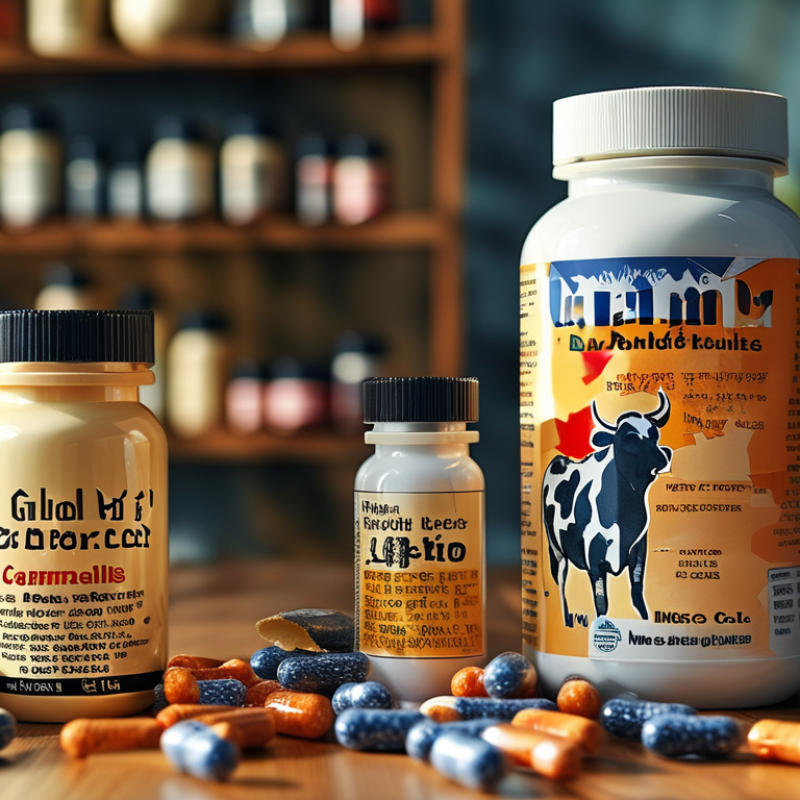
7 Best Bovine Collagen Capsules for Global Buyers?

What Are Bovine Collagen Capsules and How Do They Work?

Bovine collagen capsules are supplements made from collagen sourced from cattle hide or bone. Most products use hydrolyzed collagen, meaning the protein has been broken into smaller peptides. This process improves solubility and digestion. After swallowing a capsule, the digestive system breaks collagen peptides into amino acids and short peptide fragments. Some fragments may support the body’s natural collagen production, while others are used wherever protein is needed. They do not travel directly to your skin or joints. That popular explanation is too simple.

Research suggests possible improvements in skin hydration, elasticity, and fine lines after consistent use. Some people also report better joint comfort, although results differ. Effects are usually gradual, not dramatic. Capsules can be convenient, but they often provide less collagen per serving than powders. Check the actual collagen amount, not only the capsule count. Look for clear sourcing, batch testing, contaminant screening, and allergen information. Evidence remains promising, but it is not perfect.

Tips:Take capsules consistently with water and follow the stated serving size. A balanced diet supplies Vitamin C, zinc, and protein that support normal collagen formation. Do not assume more capsules produce faster results. People with beef allergies, dietary restrictions, pregnancy, or medical conditions should ask a qualified healthcare professional first. I would also reassess results after several weeks, because personal expectations can quietly influence what we notice.

How to Evaluate the Quality of Bovine Collagen Capsules

Evaluating bovine collagen capsules starts with identity, not glossy packaging. Buyers should confirm the source is bovine and the collagen type is clearly stated. Type I is common, but labels should not imply universal suitability. Look for hydrolyzed collagen peptides if hydrolysis matters to your purchasing decision. That claim still needs evidence. Ask for a current certificate of analysis, not a generic template. The document should match the batch number printed on the bottle.

A credible certificate should report collagen content, moisture, microbiological limits, and heavy-metal results. Third-party testing adds value when the laboratory and test date are visible. Check whether the testing methods are identified. Vague phrases like “tested for purity” offer weak evidence. Manufacturing details matter too. Facilities following recognized quality systems should provide traceability from raw material to finished capsules. Examine the capsule shell, excipients, allergen statement, storage conditions, and expiry date. Small details often expose weak control.

I would also compare the serving size with the actual collagen amount. Some labels use many capsules to create a stronger impression. That is easy to miss. Confirm whether the measurement refers to collagen peptides or total capsule weight. For international purchasing, review local labeling and import requirements before ordering. Rules differ by market. A product may be acceptable in one country and unsuitable in another. I have learned that transparent documentation matters more than polished claims, although documentation also deserves checking. Contact the supplier with specific questions and record the answers. Reliable sellers should respond clearly, not defensively.

Seven Leading Bovine Collagen Capsule Options for Global Buyers

Seven Leading Bovine Collagen Capsule Options for Global Buyers

Bovine Collagen capsules vary by peptide profile, dosage, sourcing, and testing. Global buyers should compare evidence, not polished packaging alone. The seven leading options include pure hydrolyzed peptides, type I formulas, type I and III blends, low-excipient capsules, allergen-conscious formulas, halal or kosher-certified products, and independently tested premium formulas. Each option serves a different purchasing need.

Hydrolyzed peptides usually dissolve more easily during digestion. Type I formulas may suit buyers seeking a simple, focused composition. Blended formulas offer broader collagen profiles, though their labels need careful review. Low-excipient capsules can help manufacturers avoid unnecessary colors and fillers. Allergen-conscious products should clearly disclose capsule materials and processing conditions. Certification documents must match the actual production site.

In practical sourcing, I check the bovine source, batch traceability, microbiology results, heavy-metal testing, and certificate dates. A supplier should also provide storage guidance, tamper-resistant packaging, and stability information for humid routes. Manufacturing standards matter more than attractive claims. “High absorption” still needs credible support. One weakness remains: capsule products may provide less collagen per serving than powders. I would compare the stated peptide amount, not capsule weight. Regional labeling rules also differ, so buyers should obtain local regulatory advice before importation.

How Collagen Type, Dosage, and Ingredients Affect Product Choice

Global buyers often compare collagen capsules by price. That is a weak shortcut. Bovine sources mainly provide hydrolyzed Type I and Type III peptides. Type II is more closely associated with cartilage. Pure Bovine Collagen should therefore be described by collagen type, peptide form, and source traceability. Look for batch testing, allergen controls, and a clear certificate of analysis. Labels can blur these distinctions.

Dosage also changes the buying decision. A 2021 systematic review in the International Journal of Dermatology assessed 19 randomized trials involving 1,125 participants. Several skin studies used approximately 2.5–10 grams daily for eight to twelve weeks. A capsule may contain only 500 milligrams. Five grams could require ten capsules. Dose math matters. The review reported generally favorable skin outcomes, but study quality and funding varied. The evidence is promising, not perfect.

Ingredient lists need similar scrutiny. Added vitamin C may support normal collagen formation, but it does not guarantee visible results. Proprietary blends reduce transparency. Check sweeteners, mineral content, capsule materials, and unnecessary fillers. The U.S. FDA states that dietary supplements are not preapproved for effectiveness before sale. Requirements also differ across the European Union, North America, and Asia. Buyers should verify local labeling rules and testing documentation before importing. Even a clean-looking label can hide weak verification.

What Certifications and Testing Should International Buyers Check?

When evaluating bovine collagen capsules for international purchase, check the evidence behind every claim. A certification logo is not enough. Request the certificate number, issuing body, validity date, and approved product scope. GMP, HACCP, or ISO 22000 certification can indicate controlled manufacturing, but the certificate must cover the actual production site.

Ask for a recent, batch-specific Certificate of Analysis. It should confirm collagen identity, protein content, moisture, and microbiological safety. Testing should include Salmonella, E. coli, total plate count, yeast, and mold. Heavy metals, pesticides, and unwanted residues also deserve attention. For bovine materials, request traceability records and documentation addressing BSE or TSE controls. Halal or kosher certification may matter for specific markets, but verify recognition by the destination country.

Look closely at the testing laboratory. Independent accreditation, such as ISO/IEC 17025, strengthens confidence in reported results. Confirm that the laboratory tested the finished capsules, not only Bovine Collagen Powder used before encapsulation. Check capsule weight, fill consistency, disintegration, and label accuracy. I would also compare the stated serving size with the tested amount, because packaging can hide small differences. Some suppliers provide attractive documents but incomplete batch details. That is a warning. Keep asking questions.

How to Compare Pricing, Packaging, Shipping, and Supplier Reliability

7 Best Bovine Collagen Capsules for Global Buyers?

Comparing bovine collagen capsules requires more than checking the lowest unit price. Ask for the collagen source, capsule composition, dosage, and independent test reports. A reliable supplier should provide a current certificate of analysis, batch number, allergen details, and clear storage instructions. Prices can change with order volume, packaging materials, and minimum order quantities. Calculate the landed cost, including inspection fees, freight, insurance, duties, and possible warehouse charges. The cheapest quotation may not be the cheapest shipment.

Packaging deserves practical attention. Check whether bottles, blister packs, or sachets suit your market and storage conditions. Confirm seal quality, moisture protection, label space, shelf life, and carton strength. Request a physical sample before approving a large order.

Shipping details also matter. Compare delivery terms, transit time, tracking, temperature exposure, and damage procedures. A polished quotation is not enough. Reliability appears in consistent communication and accurate documents.

Tips: Create a comparison sheet for seven suppliers. Record price, MOQ, testing documents, packaging options, lead time, and response speed. Ask the same questions in writing. Then compare the answers fairly. I would also request two recent batch records, although this can slow negotiations. That delay may reveal useful information. Do not rely only on testimonials; verify certificates with the issuing laboratory when possible. Supplier performance can change, so review it before every repeat order.

Which Bovine Collagen Capsules Best Match Different Buyer Needs?

Global buyers need different bovine collagen capsules, not one universal formula. A beauty-focused buyer may prefer hydrolyzed type I collagen peptides, commonly associated with skin structure. A sports user may value clear dosage labeling and simple excipients. A sensitive consumer may need lactose-free, gluten-free, and allergen-control documentation. Small capsules are convenient, but several may be needed daily.

Grand View Research estimated the global collagen market at about USD 9.76 billion in 2022, with continued growth projected through 2030. However, market estimates vary by report scope. That difference deserves caution. Buyers should compare the serving size, collagen grams per serving, source traceability, and stability testing. A low capsule count can hide a low active dose. Look closely.

For importers, third-party testing is practical evidence, not decoration. Certificates should cover identity, microbiological safety, heavy metals, and prohibited contaminants. Buyers seeking flexible retail formats might compare capsules with Collagen Powder Bovine, especially when higher daily amounts matter. Capsules suit travel and controlled portions. Powder often suits athletes or consumers mixing supplements into coffee. Veterinary or dietary claims also require local regulatory review before sale. Experience shows that transparent certificates, batch numbers, and realistic claims build more trust than glossy packaging. Some buyers still overvalue “premium” wording, and that is a weakness worth correcting.

High-Potency Psyllium Seed Husk Capsules: Benefits, Quality Standards, and OEM Manufacturing Opportunities

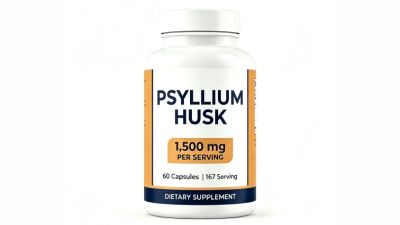
High-Potency Psyllium Husk Capsules offer a convenient way to include soluble fiber in daily nutrition routines. Psyllium seed husk naturally absorbs water and forms a gel-like texture, which may support normal digestive regularity and help complement a balanced, fiber-conscious diet. Each serving contains one capsule, with 60 vegan capsules supplied per container. Users should take the product with sufficient water and follow the recommended label directions.

For reliable quality, manufacturers should evaluate raw-material identity, purity, moisture content, microbiological safety, heavy metals, and batch-to-batch consistency. Controlled sourcing, hygienic production, traceable documentation, and appropriate testing can help meet demanding quality expectations for high-potency dietary supplements. Clear labeling should communicate the capsule count, serving size, ingredients, storage guidance, and applicable regulatory information without making unsupported health claims.

This product is suitable for full OEM and ODM customization, including capsule specifications, packaging formats, label design, carton development, and bulk wholesale programs. Custom projects can be coordinated according to target-market requirements, order volume, and packaging preferences. Available payment methods include T/T, VISA, Alipay, and XTransfer, while shipping options include DHL, FedEx, and air or sea freight, supporting flexible supply arrangements for different business needs.

FAQS

What are bovine collagen capsules?

They contain collagen sourced from cattle hide or bone. Most use hydrolyzed peptides for easier digestion. Small capsules, simple idea.

How do bovine collagen capsules work?

Digestion breaks collagen into amino acids and short peptide fragments. These support normal protein use and may assist natural collagen production. They do not travel directly to skin or joints.

What benefits might users notice?

Consistent use may improve skin hydration, elasticity, and fine lines. Some people report better joint comfort. Results vary and usually appear gradually.

How should the capsules be taken?

Follow the stated serving size and swallow them with water. Taking more capsules does not guarantee faster results. More is not always better.

Are capsules better than collagen powders?

Capsules are convenient and portable. Powders often provide more collagen per serving. Compare the actual peptide amount, not capsule weight or count.

What should buyers check before purchasing?

Review cattle sourcing, peptide content, capsule materials, allergen details, and batch traceability. Request microbiology, heavy-metal, and stability reports. Packaging can look convincing.

How can buyers compare total pricing?

Calculate product cost, minimum order quantity, freight, insurance, duties, inspection, and warehouse charges. The lowest quotation may create the highest landed cost.

What packaging and shipping details matter?

Check seal quality, moisture protection, shelf life, carton strength, and label space. Confirm tracking, transit time, storage conditions, and damage procedures.

Who should seek professional advice first?

People with beef allergies, dietary restrictions, pregnancy, or medical conditions should consult a qualified healthcare professional. Personal circumstances matter.

How should results be evaluated?

Reassess after several weeks, using consistent routines and realistic expectations. Keep simple notes about skin or joint changes. My expectations might influence what I notice.

Conclusion

Bovine Collagen Capsules are a convenient supplement format designed to provide collagen peptides derived from bovine sources. This guide explains how they may support skin, joints, bones, and connective tissue while showing buyers how to assess product quality. Key factors include collagen type, peptide processing, dosage, capsule composition, ingredient transparency, and the absence of unnecessary additives. Understanding these details helps purchasers select products that align with their intended use and consumer expectations.

For international buyers, the article compares seven types of leading product options without focusing on brand names. It also outlines the certifications, laboratory testing, traceability, packaging standards, shelf life, shipping conditions, pricing structures, and supplier reliability that should be reviewed before purchasing. By considering application, dosage preferences, quality documentation, budget, and distribution requirements together, buyers can identify the Bovine Collagen Capsules best suited to their market and procurement goals.

Oliver

Oliver

Oliver is a dedicated marketing professional at Shaanxi Yuantai Biological Technology Co., Ltd., where he leverages his expertise in plant extracts, nutritional supplement raw materials, cosmetic raw materials, and organic products. With a deep understanding of the industry, Oliver plays a pivotal......
Previous What Is Spermidine 3HCl and How Is It Used?
Next 2026 Top Cinnamon Extract Suppliers for Global Buyers