Leave Your Message
- Phone
- E-mail
- Whatsapp
- WeChat
Picking the best Beta Hydroxybutyrate supplier in 2026 isn’t just about who’s the most popular. Honestly, it’s a bit trickier than that. A reliable partner should be transparent—think clear product specs, batch-specific certificates of analysis, and consistent info about where they source and how they manufacture. When shopping around, it’s good to compare the specific form they offer—whether it’s mineral salts or esters—since these aren’t always interchangeable depending on what you’re using them for. Little details really do matter. A readable, honest label and a responsive tech team can tell you just as much as a shiny, fancy sales pitch.
Dr. Dominic D’Agostino, a well-known researcher focusing on ketone metabolism, has pointed out that ketones are a pretty important alternative fuel, not just for the body but also for the brain. That’s why folks tend to look beyond just the price tag; they want to make sure it’ll actually work for their needs. But let’s be clear—just because a product is affordable or claims to be effective, doesn’t automatically mean it truly is or that it suits every situation. It’s really worth digging into what the supplier is claiming.
This guide tries to help with that by asking some practical questions: Are their specs clear and easy to verify? Can you trace where the product comes from and how it’s tested? Are lead times and minimum orders laid out straightforwardly? We also look at how well they communicate, how solid their documentation is, and whether they seem genuinely capable of supporting your intended use. No single supplier is perfect for everyone—some might have better documentation, while others are more flexible with smaller trial orders. It’s a trade-off that’s easy to overlook. Keep in mind though, even this comparison isn’t foolproof—public info might not show every detail about quality control, so it’s a good idea to ask for the latest records before you make a final choice.
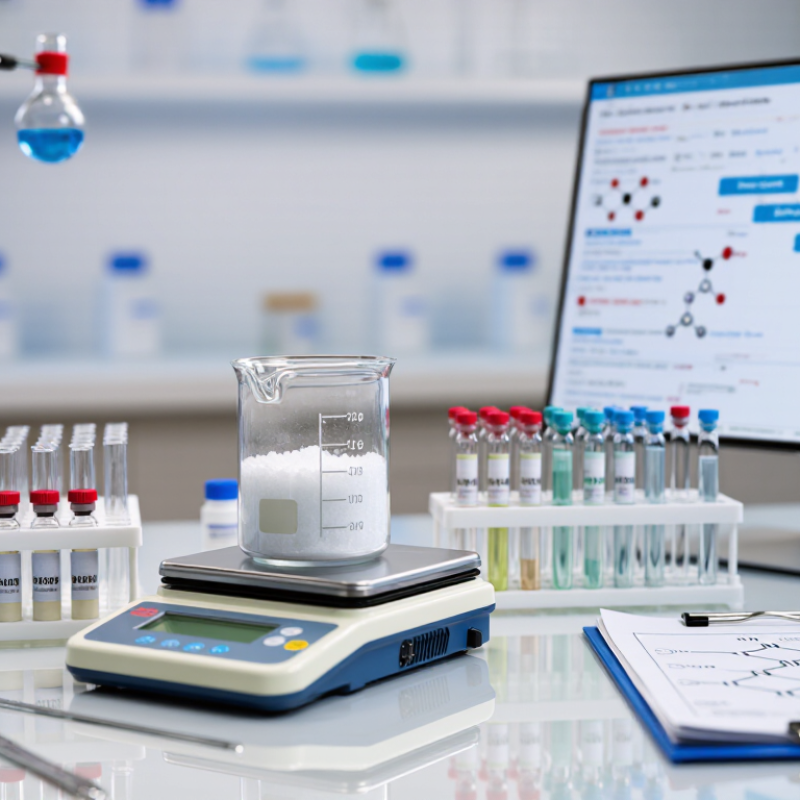
Beta-hydroxybutyrate, or BHB, is a compound the body can produce when carbohydrate availability is low. It is often called a ketone body, although its chemical structure differs from that of acetone. In products, BHB commonly appears as a mineral salt or an ester. The distinction matters. Salts pair BHB with minerals such as sodium, potassium, calcium, or magnesium. A serving can therefore contribute meaningful amounts of those minerals, so the label deserves a close look. BHB also occurs in D and L forms; the proportion can vary by product and may affect how the compound is used by the body.
Esters link BHB to another molecule rather than a mineral. They are chemically different from salts and can differ in taste, use, and handling. These forms are not interchangeable just because their labels share the same key term. Details matter. When comparing a supplier, ask for clear specifications covering form, stereoisomer ratio, identity, purity, and testing for contaminants. Independent laboratory documentation can help verify those claims, though a certificate is only useful when it matches the actual batch. I would not treat a high purity figure as proof of overall quality on its own. For people maNAGing health conditions or monitoring mineral intake, a qualified clinician can help assess whether a BHB product is appropriate.
| Form | Chemical description | Typical characteristics | Useful supplier checks |
|---|---|---|---|
| Beta-hydroxybutyric acid (BHB acid) | The protonated form of 3-hydroxybutyrate; molecular formula C4H8O3. | An acidic form, distinct from mineral BHB salts. It is not interchangeable with a salt on a gram-for-gram basis. | Check identity, assay, water content, acidity, stability, and whether the stated quantity is acid equivalent or total ingredient mass. |
| Sodium BHB | Sodium salt of 3-hydroxybutyrate; anhydrous formula C4H7NaO3. | A mineral salt. Pure anhydrous sodium BHB is approximately 18.2% sodium by mass, based on its molecular formula. | Request sodium content per serving, assay, moisture specification, and a certificate of analysis for the actual lot. |
| Potassium BHB | Potassium salt of 3-hydroxybutyrate; anhydrous formula C4H7KO3. | A mineral salt. Pure anhydrous potassium BHB is approximately 27.5% potassium by mass, based on its molecular formula. | Verify potassium per serving, assay, moisture, and applicable food or ingredient safety documentation. |
| Calcium BHB | Calcium salt containing two 3-hydroxybutyrate anions per calcium ion; anhydrous formula Ca(C4H7O3)2. | A mineral salt. Pure anhydrous calcium BHB is approximately 16.3% calcium by mass, based on its molecular formula. | Check calcium per serving, assay, moisture, and whether the product is a single salt or part of a mineral blend. |
| Magnesium BHB | Magnesium salt containing two 3-hydroxybutyrate anions per magnesium ion; anhydrous formula Mg(C4H7O3)2. | A mineral salt. Pure anhydrous magnesium BHB is approximately 10.5% magnesium by mass, based on its molecular formula. | Ask for magnesium per serving, assay, moisture specification, and lot-specific analytical results. |
| BHB ester | An ester containing a BHB-related moiety bonded to an alcohol; composition depends on the specific ester. | Not a mineral salt. Different ester structures have different formulas and properties, so “BHB ester” alone does not define one composition. | Require the exact chemical identity, stereochemical description, assay method, purity, and relevant safety and regulatory documents. |
| Racemic or stereospecific BHB | BHB can occur as D-(R) and L-(S) stereoisomers. A racemic material contains both; a stereospecific material identifies a particular form. | Stereochemistry is a separate specification from whether the ingredient is an acid, salt, or ester. | Check whether the supplier reports stereoisomer composition and uses an analytical method suitable for that claim. |
How to assess a supplier: There is no universally “best” supplier without defined application, jurisdiction, and quality requirements. Compare lot-specific certificates of analysis, identity and assay testing, contaminant limits, traceability, manufacturing controls, change-control practices, and clear labeling of BHB content and mineral contribution. The mineral percentages above are theoretical values for pure, anhydrous salts; hydration, blends, and product formulation can change the measured values.
Beta-caryophyllene (CAS 87-44-5) is a naturally occurring, peppery-aromatic sesquiterpene found in various plants and used in flavor and fragrance applications. NIH PubChem’s compound record identifies it as C₁₅H₂₄, with a molecular weight of 204.35 g/mol—useful reference details when checking product identity. Research has also explored its interaction with biological pathways, but laboratory findings should not be treated as proof of a health benefit in people. Evidence and approved uses can vary by product type and market, so check the intended application and follow relevant professional guidance.
When comparing materials, review the specification, analytical documentation, storage instructions, and quality certifications rather than relying on purity alone. The supplied product information describes a white, transparent liquid at 98% purity, with cool, dry, light-protected storage; listed certifications include cGMP, ISO 22000, ISO 9001, EU and NOP Organic, Kosher, BRC, Halal, and HACCP. Ask for current certificates and batch-specific test results to confirm what applies to the lot you are buying. The supplier lists shipping in 3–5 days and payment options including T/T, Visa, XTransfer, and Alipay.
Review the BHB form, assay, moisture level, test methods, and acceptance limits. A number without context tells little.
It connects test results to a particular production batch. Compare it with independent laboratory results when practical. One sample is not everything.
Ask for contaminant testing, traceability, manufacturing documentation, and change-control procedures. Also ask how the supplier handles deviations.
Look at particle appearance, solubility data, packaging condition, and storage guidance. A glass test may not predict a large production run.
Check the concentration, pH, and stability information. Confirm that the data fits your planned formula and storage conditions.
Raw-material suppliers provide ingredients, while contract manufacturers may make capsules, sachets, or drink mixes. Their testing needs can differ.
Request taste and solubility data at the intended serving size. Ask whether the ingredient stays consistent after blending and storage.
Compare the exact ingredient form, mineral content, testing scope, packaging, and supply records. A lower price may reflect different specifications. I would double-check.
Choosing the best Beta Hydroxybutyrate supplier in 2026 depends on product quality, transparency, and how well the offering fits your intended use. BHB is available in different forms, each with its own composition and practical considerations. Compare specifications such as ingredient identity, purity, serving information, and consistency, and look for clear documentation and independent testing where available.
A dependable supplier should also demonstrate appropriate quality controls, safety practices, regulatory compliance for the relevant market, and reliable sourcing and delivery. Consider whether the supplier can provide the format, quantity, and technical information you need, as well as responsive customer support. Rather than relying on a single claim or price, assess suppliers against the same criteria and verify their documentation. The right choice is the one that meets your use-case requirements while offering credible quality assurance and dependable service.