Have you heard about Magnesium Malate? It’s been getting a lot of buzz lately, especially for its potential health perks. Basically, magnesium is super important for a bunch of health functions—think muscle movement, nerve signals, and energy boosts. Funny thing is, according to the NIH, around 68% of American adults aren’t even hitting the recommended magnesium levels, and that could lead to some health issues down the line.
So, what exactly is Magnesium Malate? It’s a compound made from magnesium plus Malic Acid, and some research suggests it might help with muscle recovery, fighting off fatigue, and even helping you sleep better. A lot of health folks point to it for conditions like fibromyalgia or chronic fatigue syndrome. Now, while some studies support these claims, experts agree we still need more research to really figure out how effective it is.
There’s also a growing demand for magnesium supplements, including Magnesium Malate. According to a recent report from Grand View Research, the market's expected to see a pretty big boost, mainly because more people are realizing how useful it could be. That said, it's really important not to just jump straight into supplementation. It’s always a good idea to check out dietary sources of magnesium and chat with your healthcare provider before making any big changes to your routine.
Overview of Magnesium Malate and Its Composition
Magnesium malate is a compound formed by combining magnesium and malic acid. This unique composition offers several health benefits. Magnesium plays a vital role in numerous bodily functions, including nerve transmission, muscle contraction, and energy production. Malic acid, found in fruits like apples, helps enhance muscle recovery and reduce fatigue.
The synergy between magnesium and malic acid creates a powerful supplement. Magnesium Malate Powder can support energy levels and improve overall physical performance. Many athletes and active individuals find it beneficial for reducing muscle soreness after intense exercise. This makes it a popular choice among those seeking to enhance their workout recovery.
While the benefits are notable, individual experiences may vary. Some users report improvements in energy and mood, while others may not notice significant changes. It’s essential to consider personal health conditions. Consulting a healthcare professional before starting any supplement regimen is advisable. With careful consideration, magnesium malate can be a valuable addition to a health-focused lifestyle.
Health Benefits of Magnesium Malate on Muscle Function
Magnesium malate is gaining attention for its role in muscle function. Studies have shown that magnesium is crucial for muscle contraction and relaxation. About 60% of magnesium in the body is found in the bones and muscles. This mineral supports energy production as well, which directly impacts athletic performance.
Research indicates that magnesium deficiency can lead to muscle cramps and fatigue. Athletes often report enhanced recovery and performance when supplementing with magnesium malate. A study in the Journal of Sports Medicine highlighted that magnesium plays a vital role in reducing muscle soreness post-exercise. For those engaged in intense physical activity, incorporating Bulk Magnesium Malate can be beneficial.
Tips: Stay hydrated to enhance magnesium absorption. Pair magnesium malate with vitamin D for improved efficiency. Monitor your magnesium levels regularly to avoid imbalance. While magnesium malate offers numerous benefits, some individuals may experience digestive discomfort. Adjusting the dosage may help alleviate these issues.
Benefits of Magnesium Malate on Muscle Function
Role of Magnesium Malate in Energy Production
Magnesium malate plays a crucial role in energy production within the human body. It supports the Krebs cycle, a fundamental process in cellular metabolism. This cycle is where energy is generated from carbohydrates, fats, and proteins. Research shows that magnesium deficiency can lead to reduced enzyme activity, which slows down energy production. A study published in the Journal of Nutrition highlights that magnesium supports over 300 enzymatic reactions, many of which are pivotal for ATP synthesis, our body's primary energy currency.
Magnesium malate also helps reduce fatigue. Many athletes and those with chronic fatigue report feeling more energized when incorporating this compound. Notably, a survey by the National Institutes of Health revealed that individuals with adequate magnesium levels reported higher energy levels throughout the day. Additionally, while Magnesium Glycinate is often recommended for its bioavailability, magnesium malate stands out due to its unique ability to enhance energy metabolism. This distinction is vital, as not everyone responds to supplements in the same way, prompting a need for personalized approaches.
However, the effectiveness of magnesium malate can vary. Some individuals experience gastrointestinal discomfort. This raises questions about the ideal dosage and form. It’s essential for anyone considering supplementation to reflect on their own health status and consult a healthcare provider for tailored advice. While magnesium malate shows promise, individual responses can differ significantly.
Magnesium Malate and Its Impact on Mood Enhancement
Magnesium malate has gained attention for its potential mood-enhancing benefits. Research indicates that magnesium plays a vital role in brain function. It can influence neurotransmitter activity and help regulate mood. Low magnesium levels are linked to anxiety and depression.
Many people report feeling calmer and more focused after taking magnesium malate. The combination of magnesium and malic acid may improve energy production in brain cells. Enhanced energy can lead to better mood stability. Some studies suggest that individuals may experience a reduced sense of stress and irritation.
However, not everyone responds the same way. Some may need to try different forms or dosages. It's important to consult with a healthcare professional before making changes. Listening to your body can also guide decisions about supplementation. Understanding how magnesium malate works can empower individuals in their mental health journey.
Potential Anti-Inflammatory Properties of Magnesium Malate
Magnesium malate may offer various health benefits, particularly its potential anti-inflammatory properties. Inflammation is a common factor in many chronic health conditions. Reducing inflammation is crucial for improving overall well-being. Magnesium plays a role in regulating inflammatory responses in the body.
Studies suggest that magnesium malate can help decrease markers of inflammation. Some research indicates that magnesium levels are often lower in individuals with inflammatory diseases. This link raises questions about whether supplementation can help. However, not all studies have confirmed these benefits. More research is needed to understand the full impact of magnesium malate on inflammation.
For those considering magnesium malate, it's essential to approach supplementation thoughtfully. Discussions with healthcare providers can ensure safe and effective use. Not everyone may respond the same way to magnesium malate. Some individuals might experience digestive discomfort or other minor side effects. Understanding one's body and response is key to maximizing health benefits.
Uses of Magnesium Malate in Managing Chronic Conditions
Magnesium malate has gained attention for its potential benefits in maNAGing various chronic conditions. Patients with fibromyalgia often report reduced pain and fatigue when supplementing with magnesium malate. The combination of magnesium and malic acid may enhance energy production in cells, providing relief for those suffering from chronic pain.
Another important aspect is its role in supporting cardiovascular health. Magnesium helps regulate blood pressure and can reduce the risk of heart disease. For individuals with anxiety, magnesium malate might help in calming the nervous system. By stabilizing mood and reducing stress, it could be a helpful addition to a holistic health regimen.
Research suggests that magnesium malate may also benefit individuals with insulin resistance and metabolic syndrome. Maintaining healthy magnesium levels can play a role in glucose metabolism. While some prefer Magnesium Glycinate Powder for its calming effects, magnesium malate offers unique advantages, particularly in energy production. This highlights the need for individualized approaches in supplementation and overall health plans.
Safety and Recommended Dosage of Magnesium Malate
Magnesium malate is a popular dietary supplement known for its potential health benefits. Many people wonder about its safety and the correct dosage. Recent research indicates that magnesium malate is generally safe when taken as recommended. However, like any supplement, it can have side effects. Some people may experience gastrointestinal discomfort, including bloating or diarrhea. It's important to listen to your body.
For adults, a common dosage ranges from 125 mg to 500 mg per day. However, individual needs can vary. Always consult a healthcare professional before starting any new supplement. Pregnant or breastfeeding women should also seek advice. Staying within recommended limits ensures a lower risk of adverse effects.
Remember, it’s easy to think a higher dosage will be better. But this isn't always true. Too much magnesium can lead to serious complications. Balancing your intake is crucial. If you're unsure about magnesium malate, monitor how you feel and keep a dialogue with your healthcare provider. This way, you can find the right balance for your health needs.
The Rising Demand for Chelated Magnesium Glycinate Gummies: Insights from Market Analytics and Consumer Health Trends
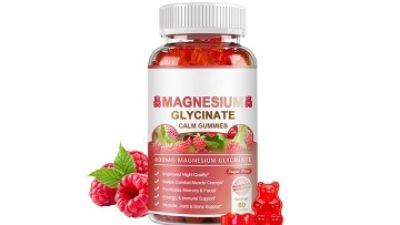
The demand for chelated magnesium glycinate gummies is witnessing a significant rise as emerging health trends boost consumer interest in dietary supplements. According to recent market analytics, the global magnesium supplement market is projected to reach $7.2 billion by 2025, with gummies representing one of the fastest-growing segments. This trend is largely driven by the increasing awareness of magnesium's crucial role in various bodily functions, including muscle and nerve function, energy production, and maintaining healthy bones.
One of the key factors fueling this growth is the preference for more palatable and convenient forms of supplements. Gummies have emerged as a popular alternative to traditional tablets and powders, particularly among younger demographics who seek an enjoyable and easy way to incorporate magnesium into their daily routines. A recent survey indicated that nearly 60% of consumers consider taste and ease of consumption as critical factors when selecting supplements, further underscoring the shift towards gummies.
The customizable nature of these products adds another layer of appeal. Manufacturers are now offering private label options, allowing brands to tailor the label, ingredients, and packaging to meet specific consumer preferences. With robust support for distribution through multiple shipping methods, including DHL and FedEx, businesses can efficiently meet the rising demand. As market analytics continue to highlight the growth potential within the magnesium supplement sector, brands that innovate and align their offerings with consumer health trends stand to benefit significantly.
FAQS
: Magnesium malate is a supplement that combines magnesium with malic acid. It's known for supporting muscle function and energy production.
It plays a vital role in muscle contraction and relaxation. Magnesium is critical for reducing muscle soreness post-exercise.
Yes, magnesium deficiency can lead to cramps. Supplementing can help reduce these issues for active individuals.
It supports the Krebs cycle, enhancing energy production from carbohydrates, fats, and proteins in the body.
Common dosages range from 125 mg to 500 mg daily. It’s essential to consult a healthcare professional before starting.
Some individuals may experience gastrointestinal discomfort. Bloating and diarrhea are potential side effects to watch for.
Staying hydrated and pairing magnesium malate with vitamin D can improve absorption efficiency.
Yes, checking levels regularly can help avoid imbalances. Consider your own health needs and consult a professional.
Individual responses vary. Some may have discomfort, highlighting the need for personalized approaches to supplementation.
Monitor how you feel and maintain communication with your healthcare provider. Adjusting dosage can lead to better outcomes.
Conclusion
Magnesium Malate is a compound formed by combining magnesium with malic acid, providing numerous health benefits. It plays a crucial role in muscle function, helping to alleviate cramps and enhance overall physical performance. Additionally, Magnesium Malate is involved in energy production, making it vital for those seeking to boost endurance and reduce fatigue. Its mood-enhancing properties contribute to better mental health, as it may help alleviate symptoms of depression and anxiety.
Furthermore, Magnesium Malate exhibits potential anti-inflammatory effects, which could be beneficial for managing chronic conditions such as fibromyalgia and chronic fatigue syndrome. Understanding the appropriate dosage and safety of Magnesium Malate ensures it can be effectively incorporated into a wellness regimen, allowing individuals to harness its full benefits for improved health and well-being.