Have you heard about Alpha Arbutin? It’s been getting a lot of buzz in the skincare world lately, mainly because of its pretty impressive brightening effects. If you look at the numbers, the global demand for skin-lightening products is expected to hit around $8.9 billion by 2025 — crazy, right? That’s why ingredients like Alpha Arbutin are really making a name for themselves, especially since they can help reduce hyperpigmentation and uneven skin tone.
Recent studies show that Alpha Arbutin actually works by inhibiting melanin production, which means it can give your skin a more radiant glow. And the best part? It’s considered safer than some older options like hydroquinone, with fewer worries about side effects. Still, keep in mind — everyone’s skin reacts differently, so results aren’t always the same for everyone. Plus, with so many products out there flooding the market, it’s kinda tricky to figure out which ones actually deliver what they promise.
As more folks jump on the Alpha Arbutin bandwagon, it’s super important to be careful. Knowing the concentration of the active ingredient and understanding how effective a product really is can make a huge difference. Companies should also be upfront about what goes into their products — transparency is key. Experts, like those from the International Journal of Cosmetic Science, stress the importance of using high-quality ingredients. So, if you’re thinking about trying it out, just make sure to do your research and choose wisely. That way, you can enjoy all the benefits without any surprises, and stay safe while you're at it!
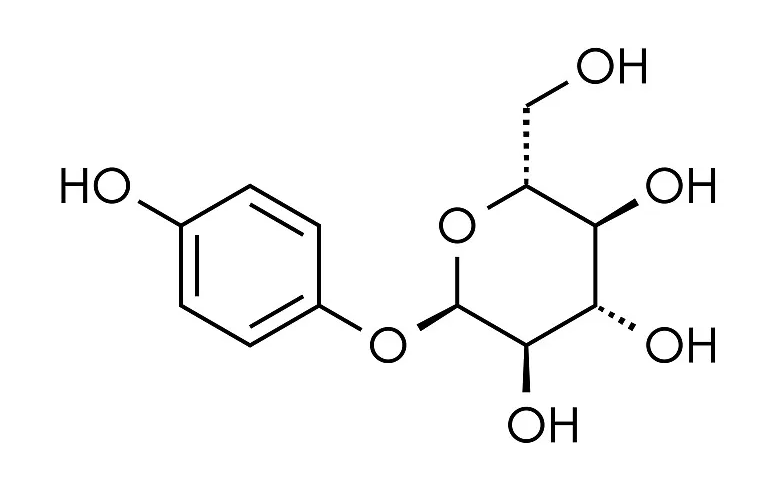
Understanding Alpha Arbutin: What It Is and How It Works
Alpha arbutin is a naturally occurring compound derived from the bearberry plant. It is known for its skin-brightening properties. A study published in the Journal of Cosmetic Dermatology highlighted that alpha arbutin can inhibit melanin production, thus reducing hyperpigmentation. This makes it a popular choice for those seeking a more even skin tone.
Alpha arbutin works by converting into hydroquinone when absorbed into the skin. Hydroquinone is a well-researched ingredient for skin lightening. However, safety concerns around hydroquinone have led to an increased interest in alpha arbutin. Notably, studies indicate that alpha arbutin is less irritating and safe for all skin types.
For buyers looking to incorporate alpha arbutin into their routines, consider the following tips. Start with a low concentration to assess your skin’s reaction. Look for products with a stable formulation, as alpha arbutin can degrade quickly when exposed to air and light. Finally, always pair any brightening agent with sunscreen. This is crucial in preventing further skin damage and maintaining results. Users should be aware that consistent use over weeks is necessary to see visible results. Experimentation might be needed to find the ideal product, as individual skin responses can vary significantly.
Key Benefits of Alpha Arbutin for Skin Health and Beauty
Alpha Arbutin is gaining attention worldwide for its skin health benefits. This compound is a natural derivative of hydroquinone, known for its ability to brighten skin. Many users have reported improvements in skin tone and a reduction in hyperpigmentation. When applied, Alpha Arbutin Powder works by inhibiting melanin production, making it effective in fading dark spots and blemishes over time.
Incorporating Alpha Arbutin into your skincare routine can yield remarkable results. Users should consider consistency for optimal outcomes. Applying it daily can help reveal a more radiant complexion. It's particularly beneficial for those with uneven skin tones or sun damage. However, individuals with sensitive skin should approach this ingredient with caution. Conducting a patch test before widespread use can help assess tolerance. In some cases, irritation may occur, revealing the need for moderation.
Beyond its brightening properties, Alpha Arbutin has been praised for its overall skin health advantages. It may help strengthen the skin barrier and improve moisture retention. While many chase perfect skin, it's crucial to remember that results can vary. Skin types respond differently to active ingredients, and what works for one might not work for all. Understanding your skin's needs is essential when choosing to use Alpha Arbutin Powder.
Comparing Alpha Arbutin with Other Skin Brightening Agents
Alpha Arbutin is a popular skin brightening agent, often compared to Beta Arbutin. Both compounds aim to reduce melanin production. However, there are key differences to consider when choosing between them.
Alpha Arbutin provides faster results. It penetrates the skin effectively, making it more efficient for target concerns. Users often notice visible improvements within weeks. In contrast, Beta Arbutin tends to work gradually. It is gentler, which can be preferable for sensitive skin types. This slower approach suits those looking for long-term benefits without irritation.
It's essential to consider individual skin needs before making a decision. While Alpha Arbutin may boost brightness quickly, it can cause irritation for some individuals. This aspect highlights how different skin types react uniquely. Incorporating these ingredients into a skincare routine requires careful testing. Consulting with a dermatologist is advisable. The end goal is to achieve a luminous complexion safely.
Alpha Arbutin Benefits and Tips for Global Buyers
| Ingredient | Skin Brightening Effect | Additional Benefits | Recommended Usage | Compatibility with Skin Types |
| Alpha Arbutin | Effective in reducing dark spots and improving overall skin tone. | Anti-inflammatory, antioxidant properties, and safe for sensitive skin. | Use 2% to 4% concentration in serums; apply twice daily. | All skin types including sensitive skin. |
| Vitamin C | Promotes collagen synthesis and brightens skin. | Strong antioxidant, improves skin texture. | Use a stable form at concentrations of 10%-20%. | Normal to oily skin; may irritate sensitive skin. |
| Kojic Acid | Blocks melanin production effectively. | Antifungal, may enhance skin radiance. | Use in concentrations of 1%-4% in products. | Not recommended for sensitive skin. |
| Niacinamide | Improves skin tone and reduces dark spots. | Enhances barrier function and hydrates skin. | Effective at concentrations of 2%-5%. | All skin types, particularly oily and acne-prone. |
| Licorice Extract | Brightens skin, reducing the appearance of pigmentation. | Anti-inflammatory, soothes irritated skin. | Typically used in concentrations of 0.5%-1%. | Suitable for all skin types, including sensitive. |
Tips for Choosing the Right Alpha Arbutin Products for You
When choosing the right Alpha Arbutin products, pay attention to concentration levels. Products with 1% to 2% concentration are generally effective for skin brightening and reducing dark spots. Check the formula's pH level, as it affects how well your skin absorbs the active ingredients. A pH close to the skin’s natural level is ideal.
Always read ingredient lists thoroughly. Look for Alpha Arbutin paired with other beneficial ingredients like hyaluronic acid or niacinamide. These combinations can enhance effectiveness and provide added hydration. Be cautious, though—some formulations may cause irritation. Conduct a patch test before applying a new product to your entire face.
Consider packaging, too. Alpha Arbutin degrades when exposed to light and air. Opt for products in opaque or airtight containers to maintain potency. While many products claim results within weeks, individual skin types may react differently. Allow time to assess effectiveness. Remember, while Alpha Arbutin has benefits, patience and observation are key.
Alpha Arbutin Benefits and Popularity Among Consumers
How to Incorporate Alpha Arbutin into Your Skincare Routine
Incorporating Alpha Arbutin into your skincare routine can enhance your complexion. This ingredient is known for its skin-brightening properties. According to a report by the Journal of Cosmetic Dermatology, Alpha Arbutin inhibits melanin production effectively. Start with a low concentration. This minimizes potential irritation and allows your skin to adjust gradually.
When adding Alpha Arbutin to your regimen, apply a few drops after cleansing. Layer it under your moisturizer. This keeps your skin hydrated while the ingredient works overnight. It's essential to monitor your skin’s reaction over a few weeks. Some users might experience sensitivity, requiring a pause in use.
Consider combining Alpha Arbutin with other ingredients. Vitamin C and Beta Arbutin Powder can complement its effects. Both work together to diminish dark spots and even out skin tone. Be cautious; not every skin type tolerates this combination well. Check with a dermatologist if unsure. Balancing these products can lead to clearer, healthier skin.
Potential Side Effects and Precautions When Using Alpha Arbutin
Alpha Arbutin is a popular ingredient for brightening skin and reducing hyperpigmentation. However, users should be aware of potential side effects. Some individuals may experience skin irritation, redness, or allergic reactions. According to a report published by the Journal of Cosmetic Dermatology, a small percentage of users reported such adverse reactions. It is crucial to perform a patch test before full application to prevent severe reactions.
When incorporating Arbutin into a skincare routine, consider starting with a lower concentration. This approach minimizes the chance of irritation. Dermatologists recommend gradually increasing the concentration to assess skin tolerance. Additionally, combining Arbutin with other potent ingredients like Vitamin C can heighten the risk of irritation. It’s essential to monitor your skin’s response closely.
Sun exposure is another key factor to consider. Alpha Arbutin can increase photosensitivity. Using sunscreen daily is important to protect your skin. Neglecting this precaution can result in adverse effects, such as more pronounced hyperpigmentation. Always prioritize gentle formulations and consult with a skincare professional if unsure.
Global Trends in the Use of Alpha Arbutin for Skincare
The global interest in alpha arbutin has soared in recent years. Studies indicate that this ingredient can effectively brighten skin and reduce pigmentation. A report from Global Market Insights reveals that the alpha arbutin market is expected to grow by over 7% annually. This rising demand reflects a shift towards more natural and effective skincare solutions.
Consumers are increasingly aware of their skin health. They seek products that are proven to be effective yet gentle. Alpha arbutin is derived from natural sources, making it a favored choice among ethical buyers. However, the awareness around its proper usage is still developing. Many people may exceed recommended dosages, potentially leading to skin irritation.
Educational resources are crucial for guiding consumers on safe use. Some skincare experts recommend conducting patch tests before full application. Despite the growing popularity, misinformation can lead to misunderstandings about its effects. As the market evolves, continuous research and honest communication will be essential for fostering trust. The conversation about alpha arbutin must include a balanced perspective to help consumers make informed choices.
FAQS
lpha Arbutin commonly used for?
It inhibits melanin production, helping to fade dark spots and blemishes over time.
Daily application is recommended for optimal outcomes and a more radiant complexion.
Individuals with sensitive skin should use it cautiously and conduct a patch test.
If irritation occurs, reduce usage and consider consulting a skincare professional.
Alpha Arbutin provides faster results, while some alternatives may work more gently over time.
Yes, it can increase photosensitivity, so daily sunscreen use is crucial.
It’s better to start with lower concentrations to minimize the chance of irritation.
Different skin types react uniquely to ingredients, so knowing your needs helps in choosing wisely.
Keep an eye on your skin’s response and any signs of irritation or adverse reactions.
Conclusion
Alpha Arbutin is a natural compound that serves as a skin brightening agent, effectively inhibiting melanin production and reducing the appearance of dark spots and uneven skin tone. This unique ingredient not only enhances skin health and beauty but also offers benefits such as improved complexion and reduced pigmentation issues. When compared to other skin brightening agents, Alpha Arbutin stands out for its stability and gentleness, making it suitable for various skin types.
For global buyers, selecting the right Alpha Arbutin products involves careful consideration of concentration, formulation, and compatibility with individual skin types. Incorporating Alpha Arbutin into your skincare routine can be straightforward, typically involving serums or creams applied after cleansing and toning. However, it's essential to be aware of potential side effects, such as skin irritation, and to follow precautions when using this ingredient. As Alpha Arbutin continues to gain popularity worldwide, understanding its benefits and proper usage can help individuals achieve their desired skin health goals.