So, you might have heard about Rosehip Extract and how it’s shifting from being just a niche ingredient to actually gaining some serious traction in skincare, supplements, and beauty products that focus on functional benefits. According to Grand View Research, the global market for botanical extracts is still on the rise, mainly because people are craving plant-based formulas and want to know exactly where their ingredients come from. Just a quick heads-up though—don’t confuse rosehip extract with rosehip seed oil. They’re different in how they’re made, what’s in them, and how they’re used.
If you’re buying from overseas, remember, a fancy catalog isn’t enough. It’s important to dig into details like whether they’re using Rosa canina or Rosa rubiginosa, where the fruits come from, what solvents they’re using for extraction, what carrier ingredients are involved, and if they have standardized markers. Make sure they provide a solid certificate of analysis that covers everything—identity, microbiological safety, heavy metals, pesticides, and batch-to-batch consistency. Both the European Food Safety Authority and the US Pharmacopeia emphasize the need for clear quality control measures for botanical ingredients. But just having good documentation doesn’t guarantee the product will actually perform well in the real world.
Dr. Marian Garcia, a researcher in botanical ingredients, reminds us that ‘Plant extracts are only as reliable as their identification and quality control systems.’ That’s pretty key when you’re looking at top Rosehip Extract suppliers for 2026. Suppliers with ISO 9001, HACCP certification, organic labels, and a responsive tech team are definitely worth a closer look. Still, don’t get blinded by paperwork; it can hide weak spots. For example, a sample might look perfect—bright amber and all—but after storage, mixing, or heating, it could fall apart. So, it’s smart to ask for stability data, formulation advice, and even keep a sample on hand before committing to big orders. Market reports can point you in the right direction, but when it comes down to actually making the purchase, you need real proof—lab results, lab testing, and proof of how it performs in the finished product.
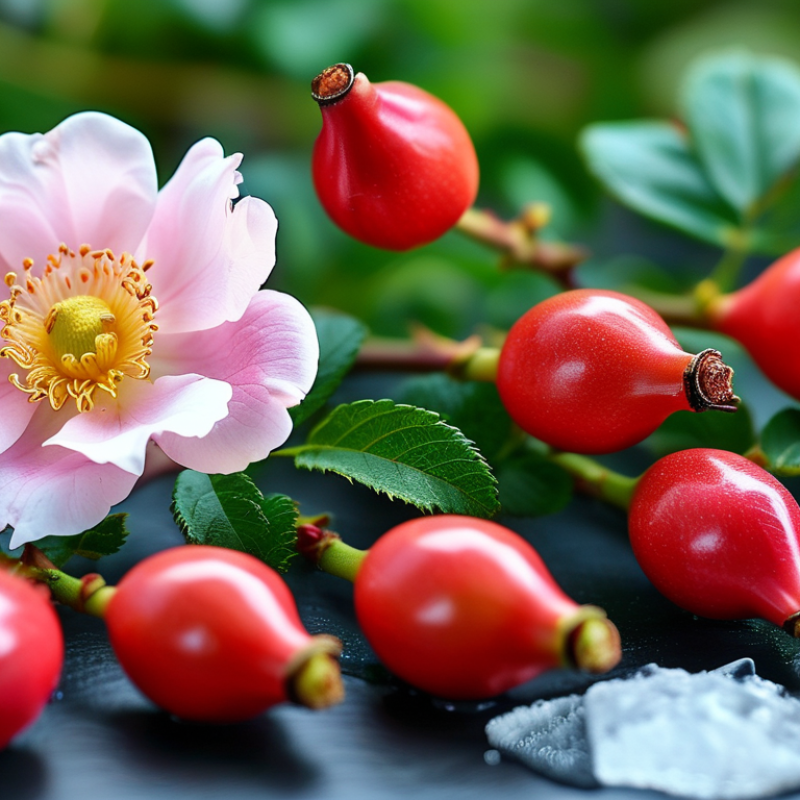
Rosehip Extract: Definition, Forms, and Key Nutritional Properties
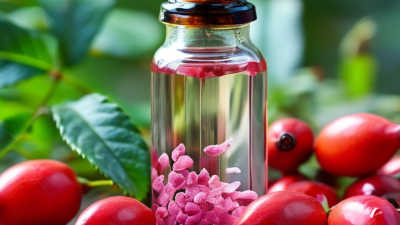
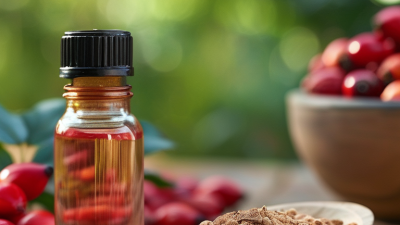
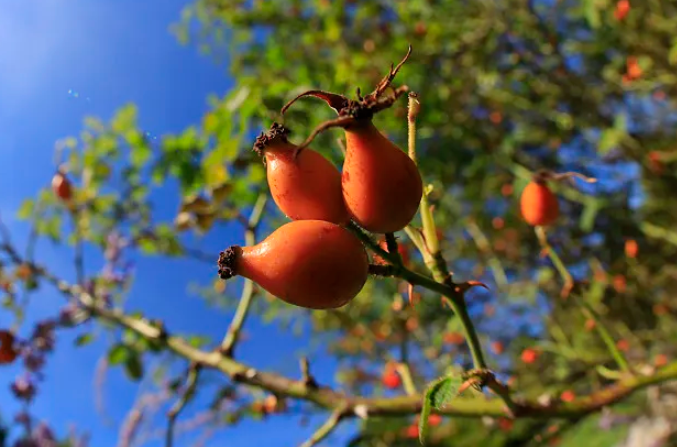
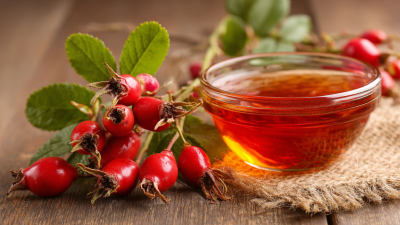
Rosehip Fruit Extract is a concentrated preparation made from the ripe fruits of rose plants. It is different from rosehip seed oil, which comes mainly from the seeds. The extract usually appears as a fine powder, liquid concentrate, or standardized dry extract. Each form suits a different use, from beverage blending to cosmetic formulation.
Rosehip Fruit Extract naturally contains Vitamin C, polyphenols, flavonoids, and carotenoids. However, these nutrients can change with fruit maturity, drying temperature, and storage conditions. A bright orange-red powder may suggest carotenoid content, but color alone proves little. Laboratory testing should confirm active compounds, moisture, microbial safety, and heavy metal limits.
Processing matters greatly. Gentle drying may help protect heat-sensitive nutrients, while poor packaging can allow moisture and oxidation. Global buyers should review the botanical name, plant part, extraction solvent, harvest region, and batch test reports. Traceability is not decorative paperwork. It helps explain unexpected differences between shipments. One limitation remains: “natural” does not guarantee identical nutrition in every batch. Suppliers should state their testing methods clearly, even when results look less impressive. Consumers and formulators may also need to check acidity, flavor, solubility, and allergen controls before selecting a suitable form.
Global Market Trends Shaping Rosehip Extract Supply in 2026
In 2026, rosehip extract supply is becoming more technical and less predictable. Global buyers increasingly request botanical identity, extraction details, and batch-specific certificates. Climate variability can affect fruit color, moisture, and active compound levels. This makes consistent sourcing difficult. Suppliers with documented farm origins and stable processing controls are gaining trust. Buyers should examine recent laboratory results, not rely on general product brochures.
Traceability is now a commercial requirement, not just a sustainability claim. Importers may ask for harvest regions, drying temperatures, solvent information, and contaminant testing. Low-temperature processing remains attractive because it may help protect sensitive compounds. However, extraction methods can change the final profile. Clear specifications are essential. A useful supplier should explain testing limits, sampling procedures, and storage conditions without vague language.
Supply diversification will shape purchasing decisions throughout 2026. Some buyers are developing secondary sourcing channels to reduce delays caused by weather or transport disruptions. Regional warehouses may shorten delivery times, but they can also increase storage costs. No supply model is flawless. A supplier might offer excellent documentation yet struggle with seasonal volume. Another may provide reliable capacity but weaker technical communication. Careful trial orders, retained samples, and regular review meetings can expose these gaps before large contracts begin.
How to Evaluate Rosehip Extract Suppliers and Manufacturers
2026 Top Rosehip Extract Suppliers for Global Buyers
How to Evaluate Rosehip Extract Suppliers and Manufacturers
Selecting a rosehip extract supplier requires more than comparing prices. Start by checking botanical identity, harvest region, and extraction method. A reliable manufacturer should provide a clear specification for Rosehip Extract Powder , including active compounds, moisture, particle size, and shelf life.
Request a recent certificate of analysis for each production batch. It should cover pesticides, heavy metals, microbes, and unwanted solvents. Third-party laboratory testing adds credibility, but certificates alone are not enough. Ask for traceability records linking the finished powder to its raw material lot. Manufacturing certifications, sanitation procedures, and controlled storage conditions also deserve review.
Ask for a small sample before signing a large supply agreement. Test its color, aroma, solubility, and consistency in your intended formula. In practice, the powder may perform differently across batches. That is easy to overlook. Discuss minimum order quantities, lead times, packaging barriers, and temperature exposure during transport. A dependable supplier answers technical questions clearly and documents changes before shipment. Visit the facility when possible, or request a live virtual audit. Supplier selection is not perfectly predictable. Even a polished presentation can hide weak communication after payment. Look for evidence, not promises.
Quality Standards, Testing Methods, and Regulatory Compliance
Global buyers should rank rosehip extract suppliers by verifiable controls, not attractive specifications. The 2023 HerbalGram market report valued U.S. herbal supplement sales at approximately $12.6 billion. That growth increases pressure on ingredient traceability and honest testing.
Ask for harvest location, plant part, extraction solvent, and batch-specific certificates. Test identity with HPTLC or HPLC fingerprinting, not appearance alone. Measure marker compounds, including total polyphenols and ascorbic acid, because levels can change after drying. A 2023 review in Molecules reported substantial chemical variation among rosehip materials and extraction methods. That finding matters.
Test for lead, arsenic, cadmium, and mercury using ICP-MS. Screen pesticides through validated multi-residue LC-MS/MS and GC-MS methods. Microbial limits should cover total counts, yeast, mold, and specified pathogens. Residual solvents require documented, risk-based testing. COAs should show methods, detection limits, results, and laboratory accreditation.
For regulatory compliance, suppliers serving the United States should support 21 CFR Part 111 dietary supplement cGMP requirements. European buyers should review Directive 2002/46/EC, local botanical rules, contaminant limits, and permitted claims. ISO 22000 or HACCP certification strengthens process evidence, but certification alone proves little. I would still audit storage temperatures, recall procedures, and sample retention. One weakness remains common: suppliers sometimes report “vitamin C” without explaining the analytical method. That is not enough. Test the finished extract. Claims must match the evidence.
2026 Top Rosehip Extract Suppliers for Global Buyers?
Quality Standards, Testing Methods, and Regulatory Compliance
The chart compares the oral permitted daily exposure values for selected elemental impurities under ICH Q3D(R2), commonly referenced when assessing pharmaceutical-grade botanical materials. These values are exposure limits in micrograms per day, not direct raw-material concentration limits. Buyers should request ICP-MS or ICP-OES results, identity testing, assay or marker-compound testing, microbiological analysis, pesticide screening, and a batch-specific certificate of analysis. Final compliance must be confirmed against the destination market’s applicable food, supplement, or medicinal-product regulations.
Reference: ICH Q3D(R2) Guideline for Elemental Impurities, Oral Permitted Daily Exposure values.
Sourcing Options, Pricing Factors, and Minimum Order Requirements
In 2026, global buyers can source rosehip extract through botanical ingredient manufacturers, regional distributors, or contract processors. Direct manufacturers often provide better traceability and customization. Distributors may offer smaller orders and faster delivery. Request the botanical name, plant part, extraction method, solvent details, and a current certificate of analysis. Rosehip extract and Rosehip Oil are different materials, so confirm the intended application before comparing prices.
Pricing depends on concentration, harvest conditions, extraction technology, and testing requirements. Standard powder extract usually costs less than highly concentrated or solvent-free formats. Organic certification, allergen statements, heavy-metal testing, and microbiological analysis can raise the quoted price. Packaging also matters. A sealed 25-kilogram fiber drum has different costs from small, light-resistant containers. Freight, customs paperwork, insurance, and currency changes may affect the final landed price.
Minimum order quantities vary widely. Samples may start near 100–500 grams, while regular powder orders often begin around 5–25 kilograms. Customized blends or private packaging can require several hundred kilograms or hundreds of finished units. These figures are indicative, not guarantees. Ask suppliers about shelf life, storage temperature, lead time, and replacement policies for failed testing. A low quote may hide weak documentation. That happened in one sourcing review. The cheapest option was not the most economical after extra testing and delayed delivery. Suppliers should explain inconsistencies openly.
Top Rosehip Extract Suppliers for International Buyers in 2026
International buyers in 2026 need more than a low quote for rosehip extract. Reliable suppliers should disclose the botanical name, harvest region, extraction method, and plant part used. These details affect color, aroma, fatty-acid content, and shelf stability. A clear certificate of analysis should include identity, microbiological results, heavy metals, pesticides, and moisture levels. Ask for recent batch data, not a recycled document.
Small details reveal operating experience. Check whether the supplier uses moisture-resistant inner bags, sealed drums, and readable lot numbers. Export documents should match the product label and commercial invoice. Suppliers serving international markets should also explain minimum order quantities, lead times, payment terms, and shipping options without vague promises. Their technical team should answer formulation questions accurately. Rosehip extract for supplements may require different specifications from cosmetic-grade material.
Rosehip Essential Oil must be evaluated separately because it is an oil, not a dry extract. Request its extraction process, storage temperature, and oxidation controls. I would also test a production sample before signing a long contract. No supplier is flawless. Even experienced exporters can face seasonal color changes or delayed paperwork. That is why a written quality agreement matters. One overlooked detail can become an expensive import problem. Some buyers focus too heavily on price. That habit deserves reconsideration.
Conclusion
This guide provides an independent overview of Rosehip Extract for international buyers planning their 2026 sourcing strategies. It explains the ingredient’s definition, common forms, and nutritional properties, while examining market trends such as growing demand for botanical ingredients, clean-label products, traceable supply chains, and standardized formulations. Readers will also learn how to compare suppliers and manufacturers based on production capabilities, raw material sourcing, extraction methods, documentation, communication, and export experience.
The article further outlines essential quality standards, testing procedures, and regulatory considerations, including identity verification, purity analysis, microbiological testing, contaminant screening, and stability evaluation. It also reviews sourcing options, pricing factors, packaging, lead times, and minimum order quantities. Finally, it presents a practical framework for identifying leading Rosehip Extract suppliers in 2026 without relying solely on price, helping global buyers select dependable partners that support consistent quality, transparent compliance, and long-term commercial needs.