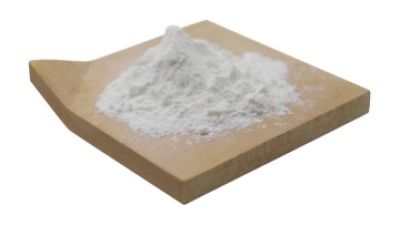
Genistein Powder is really catching the attention of folks in the nutraceutical, food, and research world worldwide. It seems like more and more people are interested in plant-based bioactive ingredients lately. According to Grand View Research, the global market for isoflavones hit around USD 1.1 billion in 2023, and they expect it to keep growing steadily until at least 2030. But, just because the market’s expanding doesn’t mean the product quality stays consistent everywhere. Buying reliable genistein isn’t just about snagging the best price; you’ve got to dig a little deeper.
When sourcing, pay close attention to things like the concentration of Genistein, where it’s extracted from, the particle size, and whether each batch matches the last. A good Certificate of Analysis can tell you a lot — things like HPLC purity, residual solvents, heavy metals, pesticides, and microbiological safety. Also, don’t forget to check the manufacturing credentials. Look for suppliers with GMP certifications, ISO standards, traceable raw materials, and proper packaging. Honestly, sometimes a sealed aluminum bag inside a sturdy, moisture-proof box says more than a bunch of polished photos on a website.
In this guide, we’ll look at some potential suppliers for 2026, like Shaanxi Huatai Bio-Fine Chemicals, Xi’an Lyphar Biotech, and Nutra Green Life. But keep in mind, these are just sourcing options, not outright recommendations. When choosing a supplier, you should consider their technical docs, how much they can produce, their experience in exporting, how quick they respond, and independent lab results. Both Mordor Intelligence and Fortune Business Insights highlight a rising demand for botanical and functional ingredients, but they don’t always look at the same markets or sectors, so comparing them directly can be a bit tricky. It’s something to watch out for.
And hey, a slick website or a low price tag isn’t always proof of quality. Sometimes, cheap prices hide weaker testing or unstable supplies. It’s smart to ask for recent samples, double-check their lab methods, and even run a supplier audit before committing. Keep in mind, regulations differ depending on where you are, especially with food, supplements, and health claims. This intro is really just a practical starting point to help you responsibly source Genistein Powder on a global level.
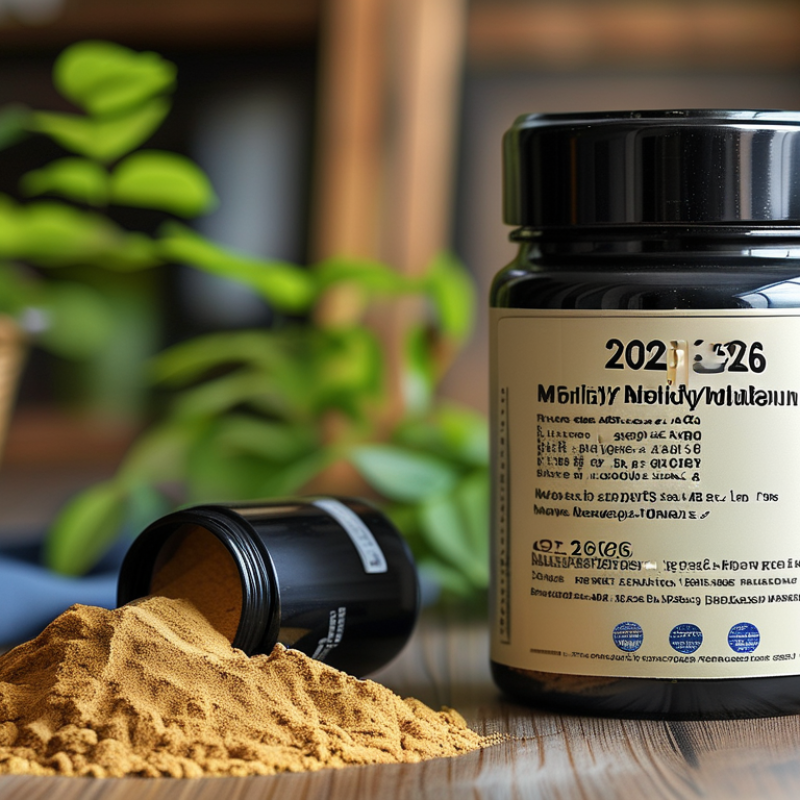
Genistein powder is a concentrated botanical ingredient derived mainly from soybeans. It belongs to the isoflavone family, which has attracted interest in nutrition and biomedical research. Its structure allows it to interact with selected biological pathways, but laboratory activity does not guarantee a proven health outcome. That distinction matters. Buyers should treat genistein as a researched ingredient, not a cure or instant solution.
Global demand is rising as supplement, functional food, and research markets seek standardized plant compounds. Aging populations and interest in women’s health have also increased attention. However, demand alone does not prove quality. A dependable Wholesale Genistein Powder program should include identity testing, assay results, residual solvent data, heavy-metal screening, microbiological results, and full batch traceability. Soy allergen declarations may also be necessary, depending on the product and destination market.
For international purchasing, specifications must match the intended application. Particle size, solubility, color, storage temperature, and packaging can affect handling and stability. A clear certificate of analysis is useful, but it should not replace independent verification for high-volume orders. Regulations differ across countries, especially for health claims and labeling language. Some market assumptions may be wrong. Careful buyers should review current local requirements, request representative samples, and compare test methods before signing a supply agreement.
| Data Dimension | Verified General Information | Why It Matters to Global Buyers | Supplier Evidence to Request |
|---|---|---|---|
| What is genistein powder? | A powdered preparation of genistein, a naturally occurring soy isoflavone and polyphenolic compound. | It is used as an active or functional ingredient in nutraceutical, research, cosmetic, and formulation applications. | Product specification, intended-use statement, manufacturing-flow description, and current certificate of analysis (COA). |
| Chemical identity | CAS Registry Number: 446-72-0; molecular formula: C15H10O5; relative molecular mass: approximately 270.24 g/mol. | Clear identity data helps buyers compare equivalent materials and avoid confusion with total soy isoflavones or genistin. | CAS number, molecular formula, analytical method, reference standard, and identity test such as HPLC or LC-MS. |
| Natural source | Soybeans and soy-derived materials are important natural sources of genistein and related isoflavones. | Origin affects allergen declarations, traceability, non-GMO requirements, sustainability documentation, and customer acceptance. | Botanical source, country of origin, agricultural traceability, allergen statement, and non-GMO documentation where applicable. |
| Appearance and physical form | Genistein is generally described as a yellow to pale-yellow crystalline solid or powder. | Color, particle behavior, and powder uniformity influence blending, filling, dispersion, and finished-product appearance. | Appearance specification, particle-size distribution, mesh or D90 data, bulk density, and representative sample. |
| Solubility and formulation | Genistein has very limited solubility in water, so formulation performance may require suitable carriers, dispersion systems, or delivery technologies. | Solubility can affect dosage uniformity, bioavailability strategy, processing efficiency, and finished-product stability. | Solubility profile, dispersibility data, compatibility information, stability studies, and recommended handling conditions. |
| Assay and purity | Commercial materials may be offered at different assay levels; the exact percentage must be defined in the purchase specification rather than assumed. | Assay directly affects dosing calculations, product labeling, cost per active unit, and batch-to-batch consistency. | Lot-specific HPLC result, test method, chromatogram when available, acceptance limits, and retest policy. |
| Contaminant control | Plant-derived powders may require controls for heavy metals, pesticides, residual solvents, microbial contamination, and mycotoxins, depending on source and intended use. | Import clearance, consumer safety, and regulatory compliance depend on contaminant limits in the destination market. | Heavy-metal panel, pesticide report, residual-solvent report, microbiological results, mycotoxin data, and risk-assessment documentation. |
| Manufacturing quality system | Quality expectations commonly include documented GMP controls, validated testing, traceable batch records, and controlled change management. | A mature quality system reduces supply interruptions, specification drift, and audit-related risk. | GMP certificate, audit report or questionnaire, quality manual, change-control procedure, deviation process, and recall procedure. |
| Documentation for international trade | Cross-border shipments commonly require commercial invoices, packing lists, certificates of analysis, safety data sheets, and country-specific import documents. | Complete documentation helps prevent customs delays and supports distributor and customer audits. | SDS, COA, certificate of origin, HS-code proposal, packing specification, export documents, and document-language options. |
| Regulatory suitability | The regulatory status of genistein depends on the product category, dosage, claims, source, and destination country; food, supplement, cosmetic, and research uses may follow different rules. | A material acceptable in one market may require additional review, notification, or claim restrictions in another. | Regulatory statement, intended-use declaration, allergen information, labeling guidance, and market-specific compliance support. |
| Supply continuity | Supply reliability depends on raw-material availability, extraction or purification capacity, inventory policy, lead time, and production scalability. | Stable supply is important because qualification, reformulation, and regulatory review can make switching sources costly. | Monthly capacity range, standard lead time, minimum order quantity, safety-stock policy, backup manufacturing plan, and batch-release timeline. |
| Packaging and storage | Powdered ingredients are typically protected from moisture, heat, light, and contamination using sealed, food- or pharmaceutical-suitable packaging as required. | Appropriate packaging helps preserve assay, appearance, and handling performance during international transport and storage. | Packaging material, net weight, storage temperature, humidity guidance, shelf life, retest date, and transport conditions. |
| Why global demand matters | Demand is supported by wider interest in plant-derived bioactive compounds, healthy-aging research, women’s-health formulations, functional foods, and specialized delivery systems. | Growing international demand increases the importance of transparent sourcing, consistent quality, regulatory readiness, and scalable production rather than price alone. | Long-term supply agreement options, transparent pricing basis, forecast-planning process, quality-consistency data, and customer technical support. |
Genistein powder is used across dietary supplements, functional foods, and nutrition research. Grand View Research estimated the global dietary supplements market at USD 177.5 billion in 2023. It also projected a 9.1% compound annual growth rate from 2024 to 2030. That figure is not genistein demand. It does show a larger market seeking evidence-based ingredients.
In supplements, genistein is commonly examined for women’s health, bone metabolism, and healthy aging formulas. Research links soy isoflavones with estrogen-receptor activity, but outcomes vary by dose, population, and study length. Stronger claims remain premature. Functional beverage and nutrition-bar developers may prefer low-odor, dispersible powder with a declared assay. Small formulation details matter.
The USDA’s Oilseeds: World Markets and Trade report estimated global soybean production above 410 million metric tons in 2023/24. Soy volume does not guarantee consistent genistein quality. A qualified Genistein Powder Factory should provide HPLC identity and potency results, heavy-metal testing, microbiological limits, residual-solvent data, and allergen declarations. Buyers should also confirm extraction origin and batch traceability. I would question any specification showing purity without test methods. That gap is easy to miss. Temperature, humidity, and packaging can affect long-term stability, so accelerated and real-time data deserve review before global distribution.
A reliable genistein powder assessment begins with identity, not price. Ask for HPLC chromatograms, an authenticated reference standard, and the extraction source. A stated purity of 98% is incomplete without the test method, sampling date, and laboratory accreditation. HPLC should confirm genistein content, while LC-MS can detect closely related isoflavones and adulterants. Review the batch number carefully. Small details matter.
Safety requires more than one certificate. ICP-MS testing should measure lead, arsenic, cadmium, and mercury against applicable limits. Gas chromatography should check residual solvents under ICH Q3C principles. Microbiological results should include total counts, yeast, mold, and relevant pathogens. OECD Test Guideline 408 provides a recognized framework for repeated-dose oral toxicity studies, although it does not replace finished-product testing. A clean-looking COA is not proof.
EFSA’s 2015 scientific opinion assessed isoflavone exposure up to 150 mg daily in postmenopausal women under specified conditions, while noting that safety depends on population, dose, and duration (EFSA Journal, 2015, 13(10):4246). Buyers should therefore request stability data, impurity profiles, allergen statements, and storage records. Check whether testing covers the actual batch. This is where procurement teams often get lazy. Genistein may appear uniform as a pale powder, yet moisture, oxidation, and particle size can change handling and formulation performance. Independent confirmation remains worth the cost.
Global buyers comparing Genistein Powder Suppliers should examine evidence, not polished brochures. A 2024 market assessment forecasts approximately 7% annual growth for genistein through 2030. That growth increases pressure on quality systems and supply continuity.
Request a batch-specific certificate of analysis. It should show HPLC assay, moisture, residual solvents, heavy metals, and microbial results. Ask whether testing follows recognized USP, AOAC, or equivalent validated methods. Genistein content alone is insufficient. Extraction solvent, botanical source, particle size, and storage temperature can affect performance. Suppliers aligned with ICH Q7 principles should control raw materials, deviations, and change notifications. ISO 9001 certification helps, but it does not replace laboratory evidence. A polished PDF can still hide weak traceability. I would not treat one clean COA as proof.
Tips: Compare three recent batches, not one sample. Check independent laboratory reports and sample-retention policies. Confirm the manufacturing site, annual capacity, minimum order quantity, and realistic lead time. Ask for stability data under defined humidity and temperature conditions. Review packaging details, especially moisture barriers for long ocean shipments. UN Comtrade data shows how broadly botanical ingredients move across international markets, but customs records rarely prove active-compound quality. This is where buyer judgment matters. A low quotation may reflect weaker testing, not better efficiency.
International buyers should define the product’s intended use before evaluating genistein powder suppliers. Food, dietary supplement, cosmetic, and research applications may follow different rules. Requirements also vary by destination market. A reliable supplier should provide traceable batch records, manufacturing-site details, and current quality certifications. Do not rely on a sales brochure alone.
Testing should confirm identity, purity, potency, and contaminant limits. High-performance liquid chromatography can support assay testing, while mass spectrometry may strengthen identity verification. Buyers should request results for heavy metals, pesticides, residual solvents, microbial counts, and relevant allergens. An independent laboratory with ISO/IEC 17025 accreditation offers stronger evidence. Check the sample batch number carefully. It should match the certificate of analysis.
Documentation matters at customs and during internal audits. Request a specification sheet, certificate of analysis, safety data sheet, origin statement, allergen declaration, GMO statement, and packaging details. Stability data can help buyers select suitable storage conditions and shelf life. Some suppliers provide incomplete files. That should trigger questions, not immediate rejection. Even experienced teams miss small inconsistencies, especially when documents use different units or dates. Review every claim against local regulations and consult a qualified compliance professional before importation or commercial use.
How to Select a Reliable Genistein Powder Supplier in 2026
Global demand for botanical ingredients is rising. The 2024 Nutrition Business Journal report valued the United States supplement market above 60 billion dollars. This growth increases pressure on suppliers. Buyers should verify more than a low quotation. A dependable supplier should provide batch-specific testing, traceable raw materials, and stable production records. Ask for the extraction source, genistein percentage, and manufacturing location. Do not accept vague “high purity” claims.
For Pure Genistein, request an independent certificate of analysis for every batch. The report should show HPLC identity, assay results, moisture, microbiological limits, heavy metals, and residual solvents. Laboratories should demonstrate ISO/IEC 17025 competence. Manufacturing sites should follow applicable GMP requirements, including 21 CFR Part 111 when serving the United States. The 2023 USP Dietary Supplements Compendium emphasizes identity and contaminant control as essential quality elements. Still, paperwork can be incomplete. I have seen attractive specifications hide weak sampling practices.
Tips: Compare three recent batches, not one sample. Check whether the HPLC method is named. Request stability data under realistic storage conditions. Confirm packaging protects powder from heat, light, and moisture. Ask how complaints are investigated. A serious supplier answers clearly, even when results are imperfect. Avoid suppliers who promise identical color across every harvest. Botanical materials naturally vary. Reliability means controlling that variation, not pretending it does not exist.
98% Hydroxypropyl Beta Cyclodextrin Powder is a high-purity, water-soluble cyclodextrin derivative designed for applications that require improved solubility, stability, and formulation flexibility. Its hydroxypropyl substitution helps accommodate a wide range of hydrophobic compounds, making it useful as a complexing and carrier material in pharmaceutical, food, cosmetic, and research formulations. The powder is identified by CAS 94035-02-6, with the molecular formula C54H102O39 and a molecular weight of 1375.36.
For quality control, the stated 98% specification is verified by HPLC detection. When selecting this material, users should consider purity, analytical documentation, intended application, solubility requirements, and compliance needs. Available certifications include HACCP, HALAL, KOSHER, ISO9001, ISO22000, and FDA-related documentation, supporting use in projects with established quality and safety standards. The powder form also allows convenient weighing, blending, and process development.
This product is currently in stock, with a shipping speed of approximately 1–3 days. Before purchase, formulators should confirm compatibility with other ingredients, packaging requirements, storage conditions, and the documentation needed for their specific market or manufacturing process. Consistent analytical testing and a clearly defined specification can help support reliable batch-to-batch performance.
: Check identity before price. Request the extraction source, batch number, and authenticated reference standard.A pale powder can look fine. That can mislead.
HPLC can measure genistein content. LC-MS can identify related isoflavones and possible adulterants.Ask for the method, sampling date, and laboratory details.
No. The result needs a test method, batch connection, and credible laboratory evidence.One percentage is not proof.
Request testing for lead, arsenic, cadmium, mercury, pesticides, residual solvents, and microorganisms.Microbial results should include total counts, yeast, mold, and relevant pathogens.
Match the certificate’s batch number with the sample and packaging.Check units, dates, test methods, and reported limits. Small inconsistencies deserve questions.
No. A clean-looking certificate can still leave important gaps.Finished-product testing, stability data, and impurity profiles provide stronger evidence.
Request a specification sheet, certificate of analysis, safety data sheet, origin statement, and allergen declaration.Also review GMO status, packaging details, storage records, and stability information.
Food, supplement, cosmetic, and research uses may follow different requirements.Destination markets can also apply different rules. Confirm local expectations before importation or commercial use.
Independent testing from an ISO/IEC 17025-accredited laboratory offers stronger supporting evidence.Still, accreditation does not replace careful batch review.
Moisture, oxidation, and particle size can change handling and formulation performance.Review temperature, humidity, packaging, and shelf-life data. Procurement teams sometimes rush this part.
This guide explores Genistein Powder as a widely researched botanical ingredient used in health, nutrition, research, and wellness product development. It explains why global demand is increasing and reviews key applications, including antioxidant support, women’s health formulations, nutritional supplements, and functional food products. Buyers will also learn how to evaluate identity, purity, concentration, solubility, microbial limits, heavy metals, pesticide residues, and batch-to-batch consistency before making a purchasing decision.
The article further examines the main factors for comparing international suppliers, such as manufacturing capabilities, quality-control systems, production capacity, traceability, packaging, lead times, and communication. It outlines important regulatory and documentation requirements, including certificates of analysis, specification sheets, safety data, stability information, allergen statements, and export records. Finally, it provides a practical framework for selecting a reliable Genistein Powder supplier in 2026 by balancing product quality, testing transparency, compliance support, supply security, and total cost.