The global market for bovine collagen is really expanding, and we're seeing it making its way into all kinds of products — from supplements and functional foods to beverages and beauty items. Buyers now want transparency: clear sourcing info, consistent quality, and reliable documentation are pretty much non-negotiable. In this guide, we’ll take a look at suppliers expected to serve international clients by 2026, sharing practical tips for procurement folks trying to make sense of it all.
Now, about the product terminology — honestly, it can be a bit confusing. Some catalogs call it "Bovine Collagen Powder," while others might just say "Collagen Powder Bovine." They’re generally talking about collagen from cattle, but the details can vary quite a bit. So, it’s a good idea to dig into things like collagen type, molecular weight, solubility, moisture levels, odor, and microbiological specs. Even tiny differences can really impact how formulations perform.
Traceability is super important, too. Trustworthy suppliers should be able to provide batch records, certificates of analysis, allergen info, and proof that they follow good quality controls. Having lab tests backing up claims about purity and contaminants is a plus. But honestly, paperwork isn’t everything. A supplier who’s responsive and willing to explain their manufacturing process, packaging conditions, shelf life, and export history really earns some extra trust.
And don’t just judge a product by the sample alone. When evaluating suppliers, consider things like their production capacity, technical support, certifications, minimum order sizes, lead times, and how well they communicate. Sometimes, bigger, established players might have better infrastructure, but smaller, specialized firms can be more flexible. Neither one’s automatically better — it all depends on your needs. Price is another tricky area. A low quote might look attractive but could be excluding things like testing fees, freight, or custom packaging, so keep an eye on the details.
Of course, this ranking isn’t one-size-fits-all. Things like regional regulations, your specific application, and your budget can shift what’s the best choice for you. Plus, some supplier info might change during 2026, so it’s smart to double-check current certificates, capacity, and terms before sealing a deal. Taking these steps helps you make smarter sourcing decisions and avoids nasty surprises in the global bovine collagen scene.
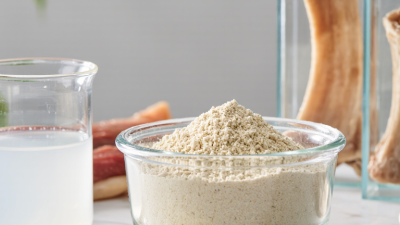
Bovine collagen powder is a protein ingredient derived from cleaned cattle hides or bones. Collagen Powder Bovine usually contains mainly Type I collagen, with smaller amounts of Type III collagen. Type I supports skin, tendons, bones, and connective tissue. Type III contributes to flexible tissues. Hydrolyzed collagen, also called collagen peptides, uses enzymatic processing to create smaller, water-dispersible peptides. Native collagen and gelatin behave differently in heat and water. Small details matter.
The Grand View Research 2024 collagen market analysis estimated the global market at about USD 9.1 billion in 2022. It also projected approximately 6.5% annual growth from 2023 to 2030. MarketsandMarkets reported continuing demand for collagen peptides in nutrition, food, and personal-care products. These figures cover broader collagen categories, not bovine powder alone. Estimates vary. That limitation deserves attention.
Key applications include powdered beverages, protein blends, nutrition bars, capsules, and functional foods. Cosmetic formulators may use hydrolyzed bovine collagen in skin-care products, although topical performance differs from oral nutrition. Experienced buyers check peptide size, solubility, moisture, microbial limits, heavy-metal results, and traceability. A fine white powder should dissolve smoothly, without a harsh odor or gritty sediment. Certificates of analysis help, but they do not replace independent verification. Source controls, allergen statements, religious certifications, and export documentation should match the destination market.
Choosing bovine collagen powder suppliers in 2026 requires more than comparing prices. Start with source transparency. Reliable suppliers should identify the cattle origin, tissue used, processing method, and traceability system. Ask for batch records, not general marketing claims. A clear certificate of analysis should show collagen content, moisture, microbiological limits, heavy metals, and residual solvents.
Request a recent sample from the same production line. Test its solubility in cold water, odor, color, particle size, and peptide profile. Small differences can affect beverages, capsules, and nutrition powders. Suppliers should explain hydrolysis conditions and provide molecular-weight data. Quality systems such as documented GMP controls, validated cleaning, and calibrated laboratory equipment also matter. Do not accept undated reports.
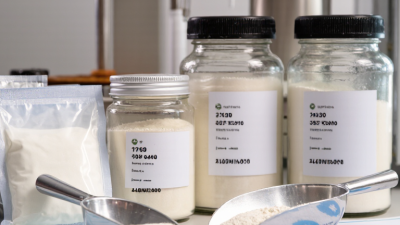
Check whether the supplier can meet destination-market requirements for labeling, import documents, allergen statements, and animal-origin declarations. Ask about minimum order quantities, packaging protection, shelf life, storage temperature, and average lead times. A sealed inner liner and moisture-resistant outer bag can prevent clumping during sea transport. Production capacity should be supported by records, not impressive language.
I have learned that fast replies do not always indicate strong control. Sometimes, the most polished supplier offers the weakest evidence. Review at least three batches when possible, and compare results independently. Even then, uncertainty remains. A supplier may pass one audit and disappoint during peak season. Keep retained samples, define acceptance limits, and include corrective-action terms in the contract. Reliability is built through repeated evidence.
2026 Top Bovine Collagen Powder Suppliers for Global Buyers
Global buyers should evaluate Collagen Bovine Powder through documented quality, safety, and regulatory controls. Quality starts with traceable cattle sourcing and clearly identified tissue origins. Suppliers should provide batch records, processing details, and storage conditions. A complete certificate of analysis should show collagen content, moisture, microbiological limits, and heavy metal results.
Safety testing must match the destination market. Buyers should review tests for Salmonella, E. coli, allergens, pesticides, and prohibited contaminants. Independent laboratory verification adds credibility. Manufacturing sites should follow recognized GMP, HACCP, or ISO 22000 systems. Clean production areas, sealed packaging, and controlled warehouse temperatures matter. Small gaps can matter.
Regulatory files should include specifications, ingredient statements, country-of-origin records, and permitted claims. Halal or kosher documentation may be required for specific markets. Import rules differ between regions, so one approval cannot satisfy every authority. A supplier may offer excellent material yet lack accurate export paperwork. That weakness deserves attention. During audits, request recent samples, not only polished documents. Compare the sample’s color, odor, solubility, and particle consistency with the specification. Keep communication records and confirm recall procedures before signing a contract. Reliable suppliers answer difficult questions clearly, even when a process still needs improvement.
Global buyer qualification matrix for bovine collagen powder suppliers. Commercial specifications are indicative purchasing benchmarks and must be confirmed against the destination market, product category, and signed technical agreement.
| Evaluation Dimension | Recommended Buyer Benchmark | Required Supplier Evidence | Global Quality and Safety Relevance | Buyer Verification Point |
|---|---|---|---|---|
| Product identity | Bovine collagen peptides or bovine gelatin should be clearly identified by source, processing method, grade, and intended use. | Technical data sheet, product specification, manufacturing-flow description, and product nomenclature. | Prevents substitution between collagen peptides, gelatin, hydrolyzed collagen, and non-bovine protein ingredients. | Confirm that the declared material matches the purchase contract, customs documentation, and finished-product formulation. |
| Animal origin and traceability | Documented bovine origin with traceability from raw material to finished lot. | Raw-material origin statement, lot-coding procedure, traceability test record, and recall procedure. | Traceability is a core food-safety control and is required under many food-control systems. | Request a one-step-back and one-step-forward traceability exercise for a representative lot. |
| BSE/TSE risk controls | Raw materials and production controls should comply with the applicable bovine spongiform encephalopathy and transmissible spongiform encephalopathy requirements of the destination market. | Veterinary or competent-authority documentation, country and material-risk assessment, and BSE/TSE declaration. | EU requirements are addressed through Regulation (EC) No 999/2001; other markets may apply different controls. | Verify country of origin, animal-tissue classification, prohibited-material controls, and required import documents. |
| Food-safety management system | Preferred ISO 22000, FSSC 22000, BRCGS, IFS, or an equivalent audited food-safety system. | Valid certificate, scope, site address, expiry date, and latest audit or corrective-action summary. | Certification supports systematic hazard analysis, prerequisite programs, verification, and continual improvement. | Check that the certificate scope specifically covers collagen, gelatin, protein ingredients, or the relevant manufacturing activity. |
| Good manufacturing and hygiene practice | Documented sanitation, pest control, environmental monitoring, allergen management, personnel hygiene, and foreign-material controls. | GMP or HACCP plan, sanitation records, pest-control reports, and internal-audit records. | Hygiene requirements are fundamental under systems such as Codex HACCP and EU Regulation (EC) No 852/2004. | Review critical control points, corrective actions, water quality, and segregation of raw and finished materials. |
| Protein content | Many commercial collagen peptide powders are specified at approximately 90% or higher protein on a dry basis; the contractual limit must be product-specific. | Certificate of analysis using a stated validated method, normally based on nitrogen determination or another agreed method. | Protein value affects labeling, formulation calculations, dosage claims, and commercial consistency. | Confirm test method, moisture basis, nitrogen-to-protein conversion factor, sampling plan, and acceptance limits. |
| Moisture and physical stability | A typical purchasing target is approximately 10% moisture or lower, subject to the agreed specification and packaging system. | Lot-specific moisture result, water-activity data where relevant, and packaging specification. | Moisture influences powder flow, caking, microbial stability, shelf life, and transport performance. | Check results from different production lots and confirm storage conditions, humidity limits, and re-test policy. |
| Microbiological safety | Buyer specifications commonly require absence of foodborne pathogens such as Salmonella in the defined test portion, with additional limits for total count, yeast, and mold. | Lot-specific microbiological certificate, sampling plan, test methods, and laboratory accreditation details. | Microbiological criteria vary according to product category, processing status, and destination-market legislation. | Do not rely only on a generic specification; compare the supplier limits with the importer’s legal and customer requirements. |
| Heavy metals and contaminants | Lead, cadmium, mercury, arsenic, and other relevant contaminants should comply with destination-market limits or stricter contractual limits. | Recent third-party test reports, risk assessment, raw-material monitoring plan, and laboratory accreditation. | Maximum levels differ by jurisdiction and food category; the EU applies contaminant limits under Regulation (EU) 2023/915. | Confirm whether results are reported as total or inorganic arsenic and whether the test basis is wet weight or dry matter. |
| Residues and prohibited substances | Supplier controls should address veterinary-drug residues, pesticides, cleaning-chemical residues, and substances prohibited by the destination market. | Annual or risk-based screening plan, current analytical reports, and declarations of compliance. | Risk depends on animal origin, raw-material source, processing aids, and local regulatory controls. | Define the analyte list, reporting limits, laboratory method, and testing frequency in the quality agreement. |
| Allergen and cross-contact management | Bovine collagen is not itself one of the 14 allergens listed in EU Regulation (EU) No 1169/2011, but cross-contact and formulation allergens must be assessed. | Allergen statement, shared-line assessment, cleaning validation, and ingredient declaration. | Allergen labeling depends on the complete finished product and the destination-market rules. | Obtain a written statement covering milk, fish, soy, gluten, sulfites, and other materials handled at the manufacturing site. |
| Halal and kosher suitability | Certification is required where the finished product or target market makes a religious-compliance claim. | Current certificate, certificate scope, certifying body, raw-material approval, and segregation statement. | Certification is process- and ingredient-specific and should not be inferred from bovine origin alone. | Verify that the certificate covers the exact product code, manufacturing site, additives, processing aids, and packaging operation. |
| Laboratory competence | Preferred Testing performed by an ISO/IEC 17025-accredited laboratory for the relevant analytical scope. | Accreditation certificate, scope, test report, method reference, detection limit, and measurement uncertainty where applicable. | ISO/IEC 17025 addresses laboratory competence, impartiality, and consistent testing operations. | Confirm that accreditation covers the specific analyte and method used for each critical test. |
| Packaging and shelf life | Food-contact-compliant inner packaging, moisture protection, intact seals, lot identification, and a documented shelf life supported by stability data. | Packaging specification, food-contact declaration, shelf-life study, storage instruction, and transport-condition statement. | Collagen powder is hygroscopic; moisture ingress can cause caking and reduce handling quality. | Check packaging integrity after simulated transport and confirm palletization, temperature, humidity, and warehouse requirements. |
| Regulatory documentation for the United States | Foreign facilities supplying food to the United States generally need applicable FDA registration, while the U.S. importer is responsible for the Foreign Supplier Verification Program. | FDA registration information where applicable, food-safety records, prior notice support, and importer-requested compliance documents. | Requirements depend on whether the product is an ingredient, conventional food, dietary-supplement ingredient, or finished dietary supplement. | Determine the product category before confirming labeling, facility, importer, and documentation requirements. |
| Regulatory documentation for the European Union | Review general food-law, hygiene, labeling, contaminants, animal-origin, and import requirements applicable to the product and intended use. | Ingredient specification, origin documents, traceability records, food-safety evidence, labeling data, and import-support documents. | Relevant frameworks may include Regulations (EC) No 178/2002, No 852/2004, No 1169/2011, No 999/2001, and Regulation (EU) 2023/915. | Confirm the responsible food-business operator, product classification, country-of-origin conditions, and member-state enforcement expectations. |
| Change control and complaint handling | Written notification before material changes to raw materials, process, site, specification, packaging, or testing method. | Change-control procedure, complaint log, recall plan, corrective-action records, and business-continuity plan. | Controlled changes protect formulation performance, regulatory status, and supply continuity. | Set notification periods, approval requirements, retention samples, and response times in the quality agreement. |
Global buyers need more than a supplier list. They need clear, verifiable profiles. A 2024 Grand View Research report valued the global collagen market at USD 9.12 billion in 2023. It also projected a 9.6% compound annual growth rate through 2030. This growth increases demand for Pure Bovine Collagen Powder in nutrition, food, and beauty applications.
A reliable supplier profile should show the collagen source, country of processing, molecular characteristics, and batch testing practices. Buyers should request protein content, moisture, microbiological limits, heavy-metal results, and solubility data. Certificates such as ISO 22000, HACCP, halal, or kosher may support market access. However, certification alone is not enough. The certificate date matters. So does the testing laboratory.
The best international suppliers usually provide traceability from cattle origin to sealed bags. Their technical teams can explain hydrolyzation, odor control, particle size, and storage conditions. A 2023 report from MarketsandMarkets identified rising demand for collagen peptides across functional food and dietary supplement categories. Still, forecasts are not purchase guarantees. Market reports can simplify regional differences. Buyers should compare three recent batches, not one attractive sample. Ask for packaging photos, export documents, and a realistic lead-time record. Some supplier profiles look polished but lack meaningful evidence. That weakness deserves attention.
In 2026, global buyers should compare more than the quoted price for Hydrolyzed Bovine Collagen Powder. Supplier prices often range by grade, protein content, particle size, packaging, and order volume. A small trial order may cost more per kilogram. Freight, testing, and import documents can also change the final landed price.
Minimum order quantities vary widely. Some suppliers accept 100 to 500 kilograms for standard powder. Customized formulas may require 1,000 kilograms or more. Ask whether the MOQ applies to one flavor, package size, or the complete shipment. Request a written quotation with production time, payment terms, shelf life, and sample costs. Details matter.
Customization can include mesh size, molecular weight, flavor, color, pouch design, and private labeling. However, every added option may increase cost and approval time. Confirm the source material, allergen statement, heavy metal limits, microbiological results, and batch traceability. Independent laboratory reports are useful, but buyers should verify their dates and test scope. A low quote can look attractive. It may not be. I would also question unusually short lead times, especially when a supplier avoids sending a recent certificate of analysis. Small mistakes in artwork or labeling can delay a shipment, so approve physical samples before mass production.
Indicative wholesale benchmarks by supply model. Prices are shown in USD per kilogram, while minimum order quantities are shown in kilograms.
Standard products generally offer limited customization; premium and OEM supply models typically support specification adjustments, private labeling, packaging changes, and certificate documentation. Actual quotations vary by grade, protein content, testing requirements, packaging, destination, and order volume.
2026 Top Bovine Collagen Powder Suppliers for Global Buyers
Export reliability starts before the container leaves the warehouse. UNCTAD’s Review of Maritime Transport 2024 states that over 80% of global merchandise trade by volume moves by sea. Therefore, buyers should confirm vessel schedules, temperature exposure, port handling, and insurance terms. Bovine collagen is animal-origin cargo. Import rules may require a veterinary health certificate, certificate of origin, commercial invoice, packing list, bill of lading, and a compliant product specification.
A practical supplier review should connect every batch to its processing site and slaughterhouse source. Request a certificate of analysis showing protein content, moisture, microbiological limits, heavy metals, and species identification. Check production dates, lot numbers, packaging photographs, and retention-sample procedures. The World Bank’s 2023 Logistics Performance Index identifies customs, tracking, and shipment timeliness as core logistics measures. A low price means little when documents arrive late. I would not rely on one certificate alone. Certificates can expire, and scanned copies can hide omissions.
Tips: Compare documents before payment. Ask for the exporter’s registration details and recent inspection records. Confirm whether destination authorities accept electronic certificates. Use an independent laboratory for the first shipment, especially when the supplier is unfamiliar. Keep a written discrepancy log. It may feel excessive, but small errors in declared weight or product description can delay clearance. One point deserves reflection: even experienced buyers sometimes verify the powder, but not the chain behind it. That gap can weaken an otherwise careful procurement decision.
99% Magnesium Citrate Powder is a refined magnesium salt valued for its high purity, clean white appearance, and convenient powder form. Magnesium citrate is commonly used in dietary supplement formulations and functional nutrition products, where it can provide a practical source of magnesium. Its powder format allows manufacturers to measure, blend, and process the ingredient efficiently according to their formulation requirements.
When selecting magnesium citrate, buyers should review purity, appearance, packaging, storage conditions, documentation, and production standards. This product is specified at 99% purity and supplied as a white powder in 25 kg drums. It should be stored in a cool, dry place away from direct light to help maintain its quality during transportation and warehousing. Quality assurance is supported by cGMP, ISO 22000, ISO 9001, EU and NOP Organic, Kosher, BRC, Halal, and HACCP certifications, subject to the applicable product documentation and market requirements.
For purchasing, buyers may request specifications, batch information, certificates of analysis, and compliance documents before placing an order. Flexible payment options include T/T, VISA, XTransfer, and Alipay, while shipping can be arranged within approximately 3–5 days, depending on order confirmation and logistics conditions. Clear communication about destination regulations, packaging needs, and intended application can help ensure a smoother procurement process.
Request batch records, processing details, storage conditions, specifications, and country-of-origin documents. A complete certificate of analysis should include collagen content, moisture, microbiological limits, and heavy metals.
Review testing for Salmonella, E. coli, allergens, pesticides, and prohibited contaminants. Independent laboratory verification adds useful confidence. Testing dates and scopes still need checking.
Look for recognized GMP, HACCP, or ISO 22000 systems. Inspect production cleanliness, sealed packaging, warehouse temperatures, and recall procedures. Small gaps matter.
Compare recent samples with the written specification. Check color, odor, solubility, and particle consistency. One attractive sample proves very little.
No. Certification helps, but certificate dates and laboratory details matter. Import requirements differ by region, and one approval may not satisfy every authority.
Compare protein content, grade, particle size, packaging, freight, testing, and import documentation. A low quoted price may hide higher landed costs.
Standard powder orders may range from 100 to 500 kilograms. Customized formulas can require 1,000 kilograms or more. Confirm exactly what the MOQ covers.
Options may include mesh size, molecular weight, flavor, color, pouch design, and private labeling. Approve physical samples before mass production. Artwork mistakes can delay shipment.
This guide helps global buyers understand Collagen Powder Bovine, including its definition, common types, production characteristics, and key applications in dietary supplements, functional foods, beverages, and personal care products. It explains how to assess suppliers in 2026 by reviewing raw material traceability, manufacturing capabilities, testing procedures, certifications, quality consistency, and communication standards.
The article also outlines essential global safety and regulatory considerations, such as contaminant control, labeling accuracy, documentation, and market-specific compliance. Buyers will learn how to compare supplier profiles, pricing structures, minimum order quantities, private-label or customized options, packaging formats, and product specifications. In addition, it covers export logistics, shipping terms, certificates, customs documentation, sample evaluation, factory verification, and payment risk management. By applying these criteria, international purchasers can make informed sourcing decisions, reduce supply-chain uncertainty, and establish reliable long-term cooperation with suitable bovine collagen powder suppliers.