So, by 2026, the hunt for trustworthy Cinnamon Extract suppliers has gotten a lot more intense. Buyers aren’t just looking at the usual stuff like price, where it’s from, or how potent it sounds anymore. Now, they’re really digging into things like traceability — you know, tracking where everything comes from — extraction methods, testing standards, and how much experience the supplier has with exports. This change actually mirrors a bigger trend in the botanical ingredients world, which keeps growing across food, supplements, cosmetics, and pharma products.
Recent reports from Grand View Research and Fortune Business Insights show that the demand for botanical extracts and natural ingredients keeps going up steadily. People are especially into clean-label products, consistent active compounds, and supply chains they can actually verify. When it comes to cinnamon production, data from FAOSTAT is helpful, but it has its quirks — it doesn’t always clearly separate raw cinnamon from processed extract, which can matter quite a bit.
Unfortunately, not all suppliers are created equal. Some have really slick websites but don’t share much solid technical info. Others might provide detailed certificates but then struggle with getting orders shipped out on time. For international buyers, it’s crucial to compare companies like Synthite Industries, Naturalin Bio-Resources, Shaanxi Undersun Biomedtech, and Nutragreenlife — but make sure to go beyond their marketing puff. Check for real, verifiable documents. Your product specs should include things like botanical identity, extraction methods (solvent or water-based), coumarin levels, microbiological and heavy metal tests, and consistent batch quality.
This guide looks at the top Cinnamon Extract suppliers for those of you doing international purchasing. We consider their manufacturing capacity, the paperwork they provide, whether they can customize products, packaging options, minimum order quantities, and how reliable their delivery is. Also, don’t forget to check out Cinnamon Extract Powder. It’s especially relevant if you’re after a product that disperses well in drinks, capsules, bakery mixes, or functional foods. Remember, rankings and info can change — what’s top today might not be tomorrow — so double-check everything carefully before making a decision.
Cinnamon Extract: Types, Uses, and Global Market Overview
Cinnamon Extract comes in water-soluble, oil-soluble, powdered, and standardized forms. Bark extracts are common in foods, beverages, supplements, and personal care products. Leaf extracts may show a different aroma and chemical profile. Cassia and Ceylon cinnamon also differ in flavor, cost, and coumarin levels. Buyers should match the extract type with the final product, not choose by price alone. A warm bakery note can quickly become harsh in a clear drink.
Tips: Request a current certificate of analysis, origin records, allergen details, and batch traceability. Check testing for coumarin, pesticides, heavy metals, microbes, and residual solvents. Confirm whether the supplier uses water, ethanol, or another permitted process. Local rules still matter. A document from last year may not protect this shipment.
The global market is moving toward clean-label ingredients, traceable sourcing, and extracts with consistent active compounds. Demand is growing from functional beverages, herbal formulas, confectionery, and natural cosmetics. Yet supply can shift with harvest quality, weather, currency changes, and transport delays. Experienced suppliers explain these risks clearly and offer realistic lead times. Buyers should compare sample performance, stability, packaging, and minimum order quantities. I have found that a strong aroma sample can still fail after heating or storage. Small pilot batches remain a practical safeguard before larger contracts.
How to Evaluate Cinnamon Extract Suppliers in 2026
How to Evaluate Cinnamon Extract Suppliers in 2026
Global demand for botanical ingredients continues to expand. Grand View Research projects the herbal extract market to grow at more than 7% annually through 2030. This growth attracts capable suppliers and careless intermediaries. Buyers should request a recent certificate of analysis, production date, extraction ratio, solvent details, and batch-specific test results. Do not accept generic documents. A serious supplier can explain whetherCinnamon Bark Extract comes from cassia or Ceylon cinnamon, and why that choice suits the product.
Safety requires measurable evidence. The European Food Safety Authority set coumarin’s tolerable daily intake at 0.1 mg per kilogram of body weight daily. Ask for coumarin testing by validated HPLC methods, plus microbial, heavy-metal, pesticide, and residual-solvent results. Check whether laboratories hold ISO/IEC 17025 accreditation. Traceability matters, too. Records should connect farm region, harvest period, processing site, and final lot number. Request a retained sample.
Look beyond price. A 2024 industry analysis estimates strong growth in cinnamon extracts, but market forecasts are not quality guarantees. I have seen attractive samples fail after storage because oxidation was ignored. That risk deserves attention. Evaluate stability data at realistic temperatures, packaging barriers, and delivery conditions. Audit communication speed and complaint procedures. One weakness remains: supplier questionnaires can hide operational gaps. An independent pre-shipment test is often worth the extra cost.
Top Cinnamon Extract Suppliers for International Buyers
International buyers need more than a low price when sourcing cinnamon extract in 2026. Reliable suppliers should provide the botanical name, plant part, extraction method, and country of origin. These details help purchasing teams compare materials across markets.
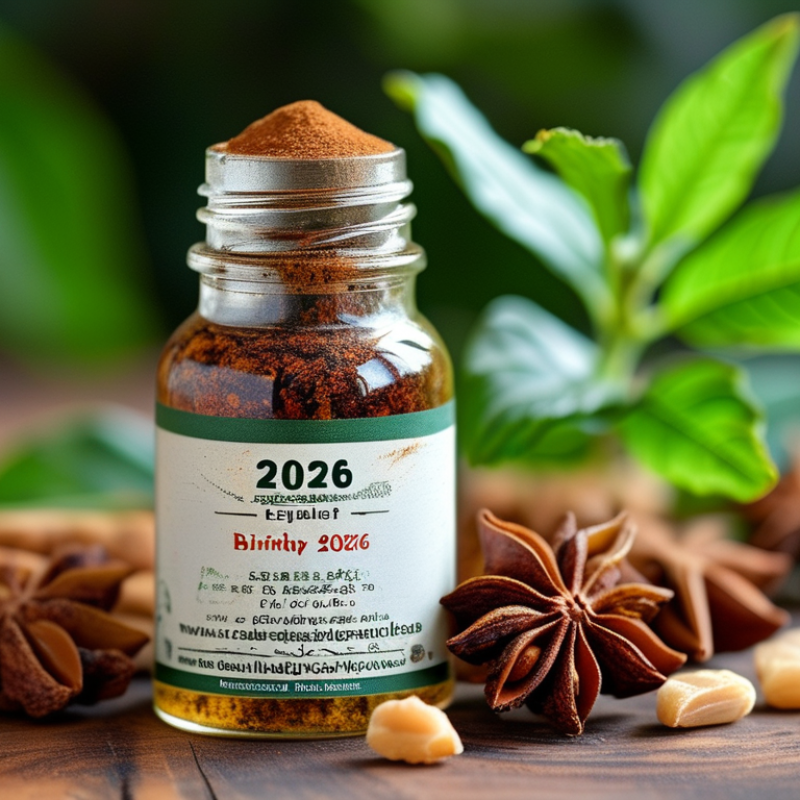
Ask for a current certificate of analysis before approving a shipment. Check cinnamaldehyde content, moisture, microbial limits, heavy metals, and residual solvents. Suppliers should also explain their batch numbering and storage conditions. A sealed sample in an amber bottle can reveal color, sediment, and aroma changes. Small details matter.
Cinnamon extract and Cinnamon Oil are not interchangeable ingredients. Extracts may suit beverages, supplements, or food formulations, while oil usually requires separate handling and dosage controls. International buyers should confirm allergen statements, packaging sizes, shelf life, and export documents. Clear technical files reduce delays at customs and during internal quality reviews. Still, documentation is not proof of perfect consistency. Independent testing may be necessary, especially when a supplier changes farms, carriers, or extraction equipment. I would also request two production samples, not just one. One sample can look excellent by chance. Supplier communication is another practical test. Replies should be specific, timely, and supported by records rather than broad promises. A dependable partner can discuss lead times honestly, including possible harvest fluctuations. Some buyers overlook this point. That mistake can disrupt production.
Quality Standards and Testing Requirements for Cinnamon Extract
Global buyers should treat cinnamon extract as a tested botanical, not a simple flavor ingredient. Quality begins with verified species, plant part, geographic origin, and extraction solvent. ISO 6539:2014 provides specification guidance for Cinnamomum zeylanicum bark. Pharmacopeial monographs also support identity and purity checks. Suppliers should provide a batch-specific certificate of analysis, not a recycled template.
Testing should combine microscopy or HPTLC with HPLC fingerprinting. Marker assays may measure cinnamaldehyde, procyanidins, and Cinnamon Polyphenol content. Results need method details, reference standards, and uncertainty data where available. GC can screen residual solvents and volatile compounds. ICP-MS helps assess lead, arsenic, cadmium, and mercury. Accredited laboratories should use validated methods aligned with ISO/IEC 17025. Microbial testing should cover total counts, yeast, mold, Salmonella, and E. coli.
Coumarin deserves specific attention. EFSA’s 2008 scientific opinion set a tolerable daily intake of 0.1 milligrams per kilogram of body weight. Cassia-derived materials may require tighter controls than Ceylon-type materials. Each lot should receive coumarin testing, pesticide screening, and aflatoxin analysis. Codex CXS 193-1995 offers contaminant principles, but buyers still need destination-market limits. A weakness remains. Polyphenol values can shift with drying, solvent ratio, and storage. Supplier claims without chromatograms are difficult to defend. I would also request retained samples and stability data at 25°C and 60% relative humidity.
Pricing, Minimum Orders, and Supply Capacity Comparison
2026 Top Cinnamon Extract Suppliers for Global Buyers
Pricing, minimum orders, and supply capacity often decide whether a cinnamon extract project succeeds. Standard water-soluble extracts may cost approximately $18–$45 per kilogram in bulk. Highly concentrated or standardized extracts can exceed $60 per kilogram. These figures are indicative, not fixed. Origin, active-compound levels, testing, packaging, and annual volume can change the quotation.
Minimum orders commonly range from 25 to 100 kilograms for stocked materials. Customized specifications may require 200 kilograms or more. Monthly supply capacity can vary from five to 50 metric tons. Ask whether capacity is reserved for your order or shared across several buyers. Production experience matters here. A supplier should provide recent certificates of analysis, batch traceability, microbiological results, and clear lead times. I would also compare three shipments, not one. One successful sample can mislead.
Tips: Request tiered pricing at 25, 100, and 500 kilograms. Confirm whether freight, testing, and export packaging are included. Check the botanical name and extraction solvent. Ask for a retention sample from the commercial batch. Do not rely on capacity claims alone. Factory records and shipment history are stronger evidence. A low price may hide weaker standardization or longer delivery. That risk is easy to underestimate.
Import, Certification, and Shipping Considerations for Global Buyers
2026 Top Cinnamon Extract Suppliers for Global Buyers
Importing cinnamon extract requires more than comparing prices. Buyers should confirm the botanical species, extraction method, concentration, and intended application before signing a purchase agreement. Cassia and Ceylon cinnamon can differ significantly in flavor, cost, and coumarin levels. Ask for a recent certificate of analysis, batch number, production date, and clear country-of-origin information. Do not rely on a generic specification sheet.
Certification should match the destination market and product use. Depending on the country, importers may request HACCP, GMP, ISO systems, organic certification, allergen declarations, pesticide testing, and microbiological reports. A certificate can look complete but still omit the test method or laboratory accreditation. That detail matters. Importers should independently verify documents with the issuing body when possible. Requirements also change, and smaller buyers may miss updates. That is a real risk.
Shipping conditions deserve equal attention. Cinnamon extract may require sealed, light-resistant containers, moisture protection, and temperature controls. Confirm the HS code with a customs professional before dispatch, because classification can affect duty and clearance. The commercial invoice, packing list, certificate of origin, and transport documents must show consistent product details. Agree on Incoterms, insurance, lead time, and responsibility for damaged goods in writing. Request a pre-shipment sample when practical. It adds time, but it can prevent a costly mismatch. Suppliers may promise smooth delivery; buyers still need a documented contingency plan.
Natural Moringa Leaf Extract Powder: Benefits, Uses, Quality Tips, and Buying Guide
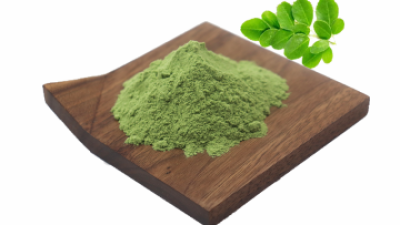
Natural moringa leaf extract powder is valued for its concentrated plant nutrients and convenient use in functional foods, beverages, and personal-care formulations. Nutrition reviews published through the National Institutes of Health report that moringa leaves provide polyphenols, carotenoids, minerals, and other bioactive compounds; however, composition varies with cultivation, drying, and extraction methods. Industry analyses also identify growing demand for botanical powders as consumers seek plant-based ingredients with traceable quality and practical applications.
When selecting a product, check the extraction ratio—available options include 5:1, 10:1, and 20:1—along with botanical identity, batch testing, microbiological results, heavy-metal screening, and clear dosage guidance. Certifications such as HACCP, HALAL, KOSHER, ISO 9001, ISO 22000, and FDA-related compliance documentation can support responsible sourcing and manufacturing controls, but they should be verified against current certificates. Store the powder in a cool, dry place, protected from moisture, heat, and direct light, and use suitable moisture-resistant packaging.
This supply is in stock and intended for business, wholesale, and formulation customers; individual customer orders are not accepted. Available logistics include DHL, FedEx, TNT, EMS, SF, sea, and air shipment, with payment options including T/T, VISA, XTransfer, and Alipay. Before purchasing, request a specification sheet, certificate package, sample, shelf-life information, and confirmation of the selected extraction ratio.
FAQS
Request the botanical name, plant part, origin, extraction method, and solvent details. Ask for current batch records. These details make supplier comparisons clearer.
It should report marker compounds, moisture, microbes, heavy metals, and residual solvents. Useful testing may include chromatography and microbial screening. A recycled template is not enough.
Coumarin levels can differ between cinnamon types and growing regions. Each lot should include coumarin results. Pesticide and aflatoxin checks also support safer purchasing decisions.
They are different ingredients with different handling requirements. Extracts may suit beverages, supplements, or food formulations. Oil often needs separate dosage controls. Do not treat them as interchangeable.
Inspect a sealed sample in an amber bottle. Check its color, sediment, aroma, and packaging condition. Compare two production samples when possible. One sample can mislead you.
Standard water-soluble extracts may cost about 18 to 45 dollars per kilogram. Concentrated products may exceed 60 dollars per kilogram. Minimum orders often range from 25 to 100 kilograms. Custom specifications may require more.
Ask whether stated capacity is reserved or shared with other customers. Request recent batch records and shipment history. Confirm lead times during harvest fluctuations. Promises alone are weak evidence.
Confirm packaging sizes, shelf life, storage conditions, allergen statements, and export documents. Ask for retention samples and stability data. Testing around 25°C and 60% humidity can reveal storage risks. I would still arrange independent testing when equipment or farms change.
Conclusion
This guide provides a practical overview of Cinnamon Extract for global buyers, including its main types, common applications, and key market trends. It explains how buyers can evaluate suppliers by reviewing sourcing practices, manufacturing capabilities, product consistency, documentation, communication, and international fulfillment experience. The guide also compares important purchasing factors such as quality standards, laboratory testing, pricing, minimum order quantities, production capacity, and lead times.
Global buyers will learn what to check before placing an order, including specifications for active compounds, purity, microbiological safety, contaminants, packaging, shelf life, and batch traceability. It also discusses import preparation, certification requirements, customs documentation, labeling, logistics, and shipping conditions. By using a structured comparison process, buyers can identify reliable supply partners, reduce quality and delivery risks, and select Cinnamon Extract that matches their technical, commercial, and regulatory requirements.