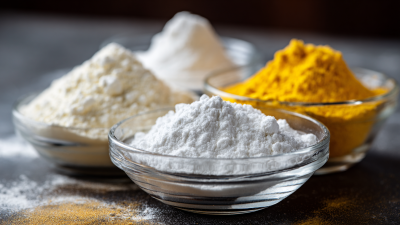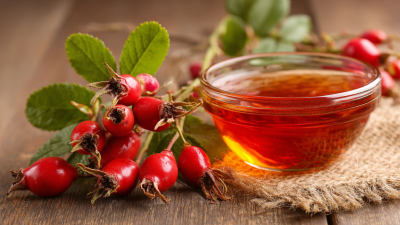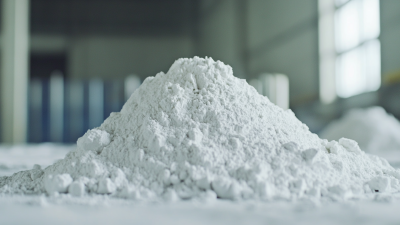
Come 2026, if you're sourcing Anemarrhena Extract, you’re gonna need more than just a simple supplier list—it’s about finding manufacturers you can really trust. That means they should be able to properly identify botanicals, control their processing, and back up everything with clear documentation. This guide will introduce some of the top producers who serve the international market, but keep in mind, public info can change pretty fast. Having a slick website is nice, but what really counts is consistent, solid evidence of quality.
A reliable manufacturer should openly share where they get their raw materials, how they process them, and how they test for active markers and batch consistency. As a buyer, you’ll want to check their certificates of analysis—looking at heavy metals, pesticide residues, microbiology results, and stability data. Good suppliers also track every step from dried rhizomes to the final powder or liquid extract. While ISO certifications and good manufacturing practices boost confidence, they don’t guarantee that every batch is perfect—something to keep in mind.
Most experienced buyers will ask for samples from different lots just to see how they compare—checking color, smell, solubility, assay values, and packaging conditions. A straightforward supplier should be willing to answer your technical questions without dodging or making vague promises. They should also be clear about export paperwork, minimum order quantities, lead times, and storage requirements. Don't forget—regional rules about labeling and permitted uses may vary, so it’s on you to double-check those details.
This overview focuses on manufacturers who communicate professionally, demonstrate measurable quality control, and are capable of serving global markets realistically. But remember, nothing’s set in stone—market conditions, ownership, certifications, and production capacity can all change during 2026. Staying thorough with your verification process is key. Building trust—credibility—happens batch by batch.
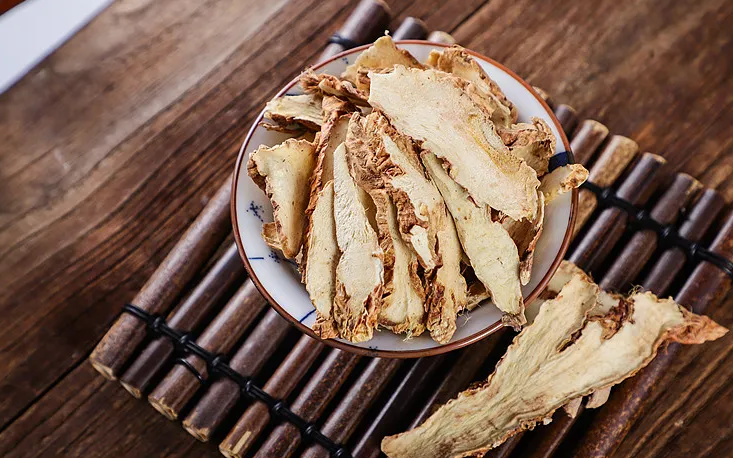
Anemarrhena extract comes from the dried rhizome of Anemarrhena asphodeloides, a traditional botanical used in East Asian herbal practice. Manufacturers usually concentrate steroidal saponins, including timosaponin compounds, through controlled extraction. The result may appear as a fine beige powder or a darker, standardized liquid. It should not be confused with Calendula Extract;Marigold Extract, which comes from a different plant.
Global buyers value Anemarrhena extract because demand is shifting toward traceable, plant-based ingredients with measurable specifications. Reliable manufacturers should document botanical identity, harvest location, extraction solvents, marker-compound levels, moisture, microbes, heavy metals, and pesticide residues. A clean certificate matters. So does the batch history.
In practical sourcing, ask for representative samples and compare them against the final production lot. HPLC data can support identity and consistency, but one test cannot prove every quality claim. The science is promising, yet not perfectly uniform. Some studies use concentrated fractions that do not match ordinary commercial powders. That difference deserves attention.
Experienced buyers also inspect packaging, storage temperature, and shelf-life evidence. Rhizome extracts can absorb moisture and lose flowability in poorly sealed bags. Clear communication helps prevent costly misunderstandings, especially when specifications cross languages and regulatory systems. A lower price may reflect weaker testing, but not always. That is where careful verification remains necessary.
Anemarrhena extract quality begins with correct botanical identity. The accepted source is Anemarrhena asphodeloides rhizome. Its principal markers include timosaponin BII, Mangiferin, and related steroidal saponins. The Chinese Pharmacopoeia 2020 emphasizes chromatographic identification and assay controls for medicinal plant materials. These markers should be verified through HPLC or UPLC, not inferred from color alone. A pale beige powder can still contain excessive starch or carrier materials.
Reliable suppliers should provide batch-specific certificates of analysis. The documents should show botanical identity, extraction solvent, marker content, moisture, ash, microbial counts, pesticides, heavy metals, and residual solvents. WHO’s Global Report on Traditional and Complementary Medicine notes that 170 of 194 member states use traditional medicine. That scale increases the need for consistent testing and traceable sourcing. USP general chapters on elemental impurities and residual solvents offer useful reference points for laboratory release decisions.
One practical warning matters. A strong timosaponin peak does not prove complete product quality. Testing should also examine adulteration and batch uniformity. I would request raw chromatograms, reference-standard details, and three consecutive batch results before approving a manufacturer. Supplier websites are not enough. Search terms such as Egg Shell Membrane Extract;Eggshell Membrane Extract can also create category confusion during procurement. Specifications remain imperfect, and marker limits may not predict every biological effect. That limitation deserves honest review.
Choosing an Anemarrhena extract manufacturer requires more than comparing quotations. The WHO Global Report on Traditional and Complementary Medicine 2019 states that 170 of 194 member states reported using traditional medicine. This scale increases the need for reliable botanical controls. Ask for the plant’s Latin name, harvest region, plant part, and extraction solvent. A serious supplier should provide batch-specific certificates of analysis, not generic laboratory templates.
Check whether each batch identifies marker compounds, such as timosaponin BII, with a validated method. Testing should also cover heavy metals, pesticide residues, microbial limits, and residual solvents. ISO 22000:2018 can support food-safety maNAGement, but certification alone does not prove extract quality. Review the certificate issuer, test date, sampling method, and laboratory accreditation. Small details matter.
Visit the production site, if possible. Look for labeled drums, controlled humidity, and a clear quarantine area. Request three recent batch records and compare their assay values. My own screening experience suggests that inconsistent powder color often deserves a deeper question, although color alone cannot confirm failure. Do not confuse Anemarrhena extract with Brown Algae Extract; their botanical identities and marker profiles differ. A low price still tempts buyers. It should not replace traceability, stability data, and a written process for handling deviations. Mistakes happen, so the manufacturer’s response matters.
In 2026, global buyers assessing Anemarrhena extract manufacturers should look beyond price lists. Reliable suppliers document botanical identity, plant-part selection, extraction solvent, and batch consistency. A clear specification should state marker compounds, moisture, microbial limits, heavy metals, and residual solvents. Ask for recent certificates of analysis, not generic templates. Small detail, big difference.
Experienced manufacturers usually maintain traceability from cultivated or collected roots to sealed export cartons. Their facilities should follow recognized GMP principles, validated cleaning procedures, and controlled storage conditions. Buyers should request representative samples, then compare color, odor, solubility, assay results, and packaging against the approved specification. Independent laboratory testing can verify key results before a long-term contract. It costs more, but uncertainty costs more.
Strong exporters also explain lead times, minimum order quantities, documentation, and country-specific import requirements without making careless promises. Anemarrhena extract should remain clearly distinguished from unrelated materials such as Rosehip Extract, especially when purchasing several botanical ingredients. Communication quality matters: slow replies, changing specifications, or unexplained test gaps deserve scrutiny. No supplier is perfect. I would still review harvest variation, because one successful sample cannot prove every future batch. Buyers should favor transparent records, practical technical support, and a corrective-action process when results fall outside agreed limits.
For global buyers, top Anemarrhena extract manufacturers control every production stage. They verify botanical identity before processing. Roots should be cleaned, sliced, dried, and stored under controlled humidity. Extraction may use water or approved food-grade solvents. Filtration, concentration, and spray drying require recorded parameters. Reliable facilities test marker compounds, moisture, heavy metals, microbes, pesticides, and residual solvents. Each batch should include a clear certificate of analysis.
Certifications support trust, but they need careful review. Look for current GMP, ISO 22000, HACCP, or organic certificates when relevant. Confirm the certificate scope, issuing body, site address, and expiry date. Export-ready manufacturers provide product specifications, safety data, packing details, invoices, certificates of origin, and customs support. They should also understand destination-market requirements. A professional supplier can explain its testing methods, not only show a certificate. No supplier is perfect. Documents may be complete while communication remains slow, so this weakness deserves attention.
Tips: Request a recent sample and matching batch records. Ask for the extraction ratio and botanical identification method. Check whether the inner liner protects powder from moisture during sea transport. Review minimum order quantities, lead times, and temperature requirements before signing. Keep written approval for every specification change.
| Evaluation Dimension | Industry-Standard Information | Typical Buyer Requirement | Documents or Evidence to Request |
|---|---|---|---|
| Botanical Source | Anemarrhena extract is commonly produced from the dried rhizome of Anemarrhena asphodeloides Bunge. | Correct botanical identity, traceable raw-material origin, and authenticated plant material. | Botanical identification report, supplier qualification record, and raw-material traceability documents. |
| Common Active Markers | Sarsasapogenin and mangiferin are frequently used as quality or standardization markers for Anemarrhena-derived materials. | A clearly defined marker specification suitable for the intended application. | Recent certificate of analysis with validated HPLC or equivalent analytical results. |
| Raw-Material Inspection | Incoming inspection generally covers identity, appearance, moisture, foreign matter, microbial load, heavy metals, and pesticide residues. | Testing against destination-market limits and documented acceptance criteria. | Raw-material specification, inspection record, pesticide report, heavy-metal report, and microbiological results. |
| Extraction Process | Water extraction is widely used for botanical ingredients; ethanol-water extraction may be selected when a different compound profile or concentration is required. | A controlled process with documented solvent use, extraction ratio, temperature, time, and batch records. | Process flow chart, master manufacturing record, solvent statement, and batch-production record. |
| Concentration and Drying | Vacuum concentration followed by spray drying or another controlled drying method is commonly used for powdered botanical extracts. | Stable powder with controlled moisture, good dispersibility, and minimal processing-related degradation. | Moisture specification, drying parameters, bulk-density data, and stability or shelf-life information. |
| Standardization | Products may be offered as a general extract or as a marker-standardized extract. The extract ratio and marker content must be stated separately. | Consistent marker content between batches and no misleading equivalence between extract ratio and active-marker percentage. | Product specification, chromatograms, reference standards, and three consecutive batch results. |
| Contaminant Control | Export-grade botanical extracts are commonly evaluated for heavy metals, pesticide residues, residual solvents, aflatoxins, total plate count, yeast, and mold. | Compliance with the legal limits of the importing country and the buyer's internal specifications. | Independent laboratory reports, method references, detection limits, and corrective-action records where applicable. |
| Quality Management | Suitable facilities generally operate documented procedures for deviation control, change control, complaints, recalls, calibration, and supplier management. | A functioning quality-management system with batch traceability from raw material through shipment. | Quality manual, audit report, SOP index, traceability exercise, and recall procedure. |
| GMP Compliance | GMP certification or GMP-aligned production controls are commonly requested for nutraceutical, food-supplement, and pharmaceutical-related supply chains. | A current certificate covering the actual manufacturing site and relevant product scope. | Current GMP certificate, issuing authority, validity dates, and latest inspection status. |
| Food-Safety Certifications | HACCP and ISO 22000 are widely recognized food-safety systems used for controlling biological, chemical, and physical hazards. | Certification scope that includes botanical-extract processing and the exporting facility. | HACCP plan, ISO 22000 certificate, audit summary, and certificate verification details. |
| Religious and Market Certifications | Halal and Kosher certification may be available when required by the destination market or finished-product customer. | Certification for the specific product, production site, and current validity period. | Valid Halal or Kosher certificate, ingredient statement, and production-line status. |
| Packaging | Powdered extracts are commonly packed in sealed inner bags placed inside fiber drums, cartons, or other food-grade containers. | Protection from moisture, light, odor, and contamination during storage and international transport. | Packaging specification, food-contact declaration, net-weight tolerance, and palletization details. |
| Labeling and Documentation | Commercial shipments generally require product name, botanical name, batch number, manufacturing date, best-before date, net weight, storage conditions, and country of origin. | Consistent information across the label, certificate of analysis, invoice, packing list, and customs documents. | Label artwork, certificate of analysis, specification sheet, safety data sheet, invoice, and packing list. |
| Export Readiness | Export-capable suppliers should be able to coordinate customs documentation, commercial invoices, packing lists, certificates of origin, and transport arrangements. | Accurate documents, reliable lead times, and experience with the buyer's delivery terms and destination-country requirements. | Sample export document set, Incoterms quotation, shipping history, and estimated production lead time. |
| Batch Consistency | Consistency depends on raw-material season, extraction ratio, drying controls, analytical methods, and release criteria. | Comparable marker levels, physical properties, contaminant results, and performance across repeat orders. | Three-batch comparison, retain-sample policy, analytical method validation, and stability data. |
| Best-Fit Applications | Anemarrhena extracts may be supplied as ingredients for traditional herbal products, dietary supplements, functional formulations, research, or cosmetic development, subject to local regulations. | A specification and regulatory package matched to the intended use rather than a one-size-fits-all product. | Intended-use statement, regulatory support documents, allergen declaration, and product-development samples. |
Buyer verification note: Certification status, specifications, minimum order quantities, lead times, and export eligibility vary by manufacturing site and product grade. Confirm current documents before placing an order.
For international buyers, Anemarrhena extract purchasing begins with packaging discipline. Export lots commonly use 25-kilogram fiber drums with sealed inner polyethylene liners. Light-sensitive powders need opaque outer protection. Desiccant placement should match the destination climate. Humid ports can quickly damage poorly sealed material. Buyers should request photos, net-weight records, pallet specifications, and temperature controls before shipment. The World Health Organization’s Good Agricultural and Collection Practices guidance stresses traceability from cultivation through processing.
Pricing should reflect specification, not only the quoted kilogram price. Marker-compound assay, extraction ratio, solvent system, mesh size, pesticide screening, and microbiological testing can change the offer considerably. The broader botanical extracts market was valued at approximately USD 7.64 billion in 2023, with Grand View Research forecasting an 8.1% CAGR from 2024 to 2030. That growth may increase raw-material competition. It does not prove Anemarrhena prices will rise equally. That distinction matters.
Supply contracts should define batch consistency, approved test methods, Incoterms, payment stages, and replacement procedures. A recent certificate of analysis is useful, but an independent pre-shipment test is safer. Ask for cultivation records and retain a sealed reference sample. Sea freight remains economical, while air freight suits urgent, smaller lots. The UNCTAD Review of Maritime Transport 2024 documents continuing disruption risks across global shipping routes. Lead times therefore need a buffer. I would not rely on one harvest region. Even strong suppliers can face weather, crop disease, or documentation delays.
Packaging, pricing, and supply-planning benchmarks for international buyers
The chart presents non-brand, indicative FOB planning benchmarks for Anemarrhena rhizome extract by extraction ratio. Higher-ratio extracts generally require more raw material and tighter process control, which can increase the expected price per kilogram. Actual quotations vary according to sarsaponin content, test methods, order volume, origin, certification, and shipment terms.
Common export formats include 1 kg or 5 kg inner foil bags and 20–25 kg fiber drums or cartons with double polyethylene liners.
Use the displayed figures for preliminary budgeting only; request a specification-based quotation with COA, moisture, microbiological limits, and Incoterms.
For export orders, buyers should confirm production lead time, batch availability, shelf life, documentation, and pre-shipment inspection requirements.
Common markers include timosaponin BII, mangiferin, and related steroidal saponins. HPLC or UPLC testing should verify these compounds. Color alone proves little.
Request a batch-specific certificate of analysis and raw chromatograms. Documents should cover identity, marker levels, moisture, ash, microbes, pesticides, heavy metals, and residual solvents. One certificate is not enough.
No. A strong timosaponin peak cannot confirm purity, uniformity, or the absence of adulteration. Testing should compare several production batches. This point is easy to overlook.
Request a representative sample before ordering. Compare it with the final production lot using the same approved methods. Keep a sealed reference sample for later review.
Export lots often use fiber drums with sealed inner polyethylene liners. Opaque outer packaging can protect light-sensitive powder. Keep it dry.
Poorly sealed packaging may allow moisture absorption during storage or ocean transport. The powder can lose flowability and form hard lumps. Humid destinations need stronger sealing and suitable desiccants.
Price should reflect marker testing, extraction ratio, solvent controls, mesh size, and microbiological screening. A lower quote may indicate fewer tests, but not always. Verify before judging.
Define batch consistency, test methods, payment stages, shipping terms, and replacement procedures. Allow extra time for weather, crop disease, port delays, or missing documents. One growing region may be risky.
Anemarrhena Extract is a botanical ingredient derived from the rhizome of Anemarrhena asphodeloides and is increasingly valued by global buyers for use in wellness, food, cosmetic, and research-oriented products. Its commercial importance depends on consistent levels of key compounds, especially steroidal saponins and related phenolic constituents. Reliable suppliers should provide clear botanical identification, standardized specifications, contaminant testing, traceability, and documentation supporting quality and regulatory compliance.
When evaluating Anemarrhena Extract manufacturers in 2026, international buyers should examine cultivation and sourcing practices, extraction technology, batch-to-batch consistency, laboratory capabilities, certifications, and export experience. A capable manufacturer should offer suitable packaging, transparent pricing, flexible minimum order quantities, stable production capacity, and dependable shipping support. Buyers should also confirm storage conditions, shelf life, testing methods, and documentation before placing an order. Careful comparison of these factors can help companies select a responsible partner and build a secure, efficient, and compliant global supply chain.