Looking ahead to the 2026 landscape of DHA suppliers, it’s clear that good pricing alone just isn’t enough anymore. Buyers around the world are becoming a lot pickier—they’re checking out the source of the DHA, how concentrated it is, how well oxidation is controlled, the documentation that backs it up, and whether delivery can be relied on. For instance, algal DHA’s gaining popularity, especially in vegan formulas, but fish-derived DHA still holds big importance, especially for infant nutrition and clinical applications. Each option comes with its own sustainability perks and cost considerations, so it’s not a one-size-fits-all deal.
According to reports from Grand View Research and Fortune Business Insights, the global market for DHA and omega-3s is still on the rise. Pretty exciting, right? But here’s the thing — their forecasts aren’t quite the same, and that’s worth paying attention to. Market estimates can shift pretty quickly due to currency fluctuations, regional rules, or changing consumer preferences. Industry updates from GOED also emphasize some key points—like consistently high quality, purity testing, and clear, transparent labels. When you’re buying, don’t just ask for a sleek brochure. Make sure you’re requesting recent Certificates of Analysis, peroxide and anisidine values, TOTOX results, contaminant testing info, and traceability at the batch level. Trust me, having all that info is crucial.
Professor Michael Crawford, a well-respected researcher in the DHA space, famously pointed out that “DHA is the most abundant fatty acid in the brain and retina.” That really highlights just why DHA is so vital—not just for early childhood development, but also for healthy aging and specialized medical nutrition. But, as with anything, it’s worth digging into supplier claims with a critical eye. A good, dependable partner should be able to show they have stable production capacity, validated testing methods, proper packaging, and responsive tech support. Big-name players like DSM-Firmenich, KD Pharma, Corbion, Lonza, and Epax are all in the mix, but they each have their own strengths. Sometimes, buyers put too much weight on volume alone and forget about the importance of formulation support. So, when you’re choosing a supplier, this guide aims to help you compare them based on solid evidence, not just reputation. Remember, performance data isn’t perfect, so keep your decisions transparent, evidence-based, and always open to reevaluation.
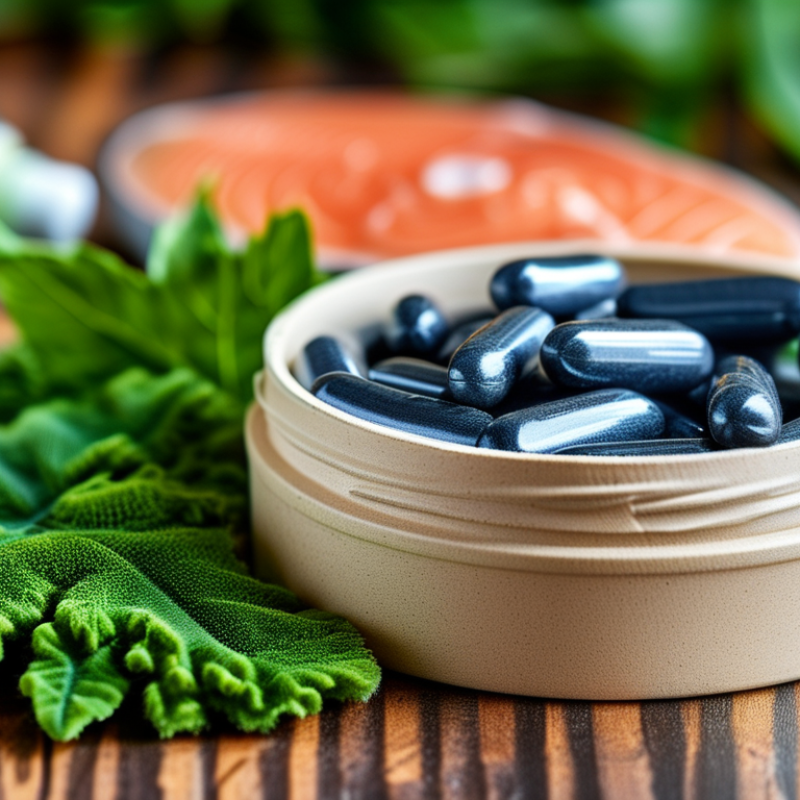
Docosahexaenoic acid, or DHA, is a long-chain omega-3 fatty acid used in nutrition products and specialized foods. Global buyers often compare fish oil and algal oil by DHA potency. A 40%–50% specification usually means 40–50 grams of DHA per 100 grams of oil, but buyers should confirm the testing basis.
Fish oil may provide both DHA and EPA, while algal oil commonly focuses on DHA. This difference affects formulation, taste, sustainability goals, and labeling needs. In practical supplier evaluations, I would request recent certificates of analysis, oxidation results, heavy-metal testing, allergen statements, and batch traceability. A clean percentage is not enough. Storage records matter too, especially when drums travel through warm ports.
Tips: Ask whether potency is measured by gas chromatography and whether results reflect the neat oil or a finished powder. Check peroxide and anisidine values together, not separately. Algal oil can suit vegetarian formulations, but its price and sensory profile may differ. Fish oil may offer broader omega-3 coverage, yet its marine origin requires stronger contaminant controls. I have seen specifications look excellent on paper, then raise questions after reviewing sampling methods. That is an uncomfortable detail, but it deserves attention. Supplier reliability is built through repeat testing, clear documentation, and consistent batches.
When screening docosahexaenoic acid suppliers in 2026, quality documents should match the actual production lot. Ask for a current certificate of analysis, not a generic product sheet. Check DHA concentration, peroxide value, anisidine value, and calculated TOTOX. These figures reveal freshness more clearly than a polished sales presentation.
GOED alignment can indicate disciplined omega-3 quality practices, while GMP evidence should cover hygiene, process control, training, and traceability. Review the audit scope and certificate dates carefully. A valid certificate matters. IFOS test results can add independent evidence for potency, oxidation, and contaminants. Confirm that the tested format, batch number, and packaging match your intended purchase. Small mismatches deserve questions.
I also examine storage conditions, recall procedures, and retained-sample policies. Ask how the supplier handles temperature excursions during ocean or warehouse transport. Reliable teams provide specific answers and supporting records. A certificate alone can mislead. I have seen impressive documents fail to explain lot-level testing. Supplier screening is not a one-time formality; it requires periodic audits and refreshed laboratory reports. Leave room for uncertainty, because even strong systems can develop gaps.
For global buyers, selecting a docosahexaenoic acid supplier requires more than comparing price and concentration. A practical screening point is an oxidation result below 5 meq/kg, supported by recent batch testing. Ask for the certificate of analysis, test date, method, and sample identification. Results should come from a qualified laboratory, not only an internal spreadsheet. Check peroxide value, anisidine value, and TOTOX when available. One number rarely tells the whole story.
Storage conditions can change quality after testing. Request evidence of nitrogen flushing, oxygen-controlled filling, light protection, and temperature monitoring during shipment. A reliable supplier should explain how samples are retained and how out-of-specification batches are handled. Inspect the packaging closely. Damaged seals and warm containers deserve immediate attention. However, documentation is not proof of perfection. Laboratories may use different methods, and sampling errors can hide early oxidation. Buyers should confirm the method’s suitability and consider independent retesting before approving large volumes.
Experience also matters during qualification. Review several consecutive batches, not one attractive report. Ask whether oxidation remains below 5 meq/kg near the stated shelf-life period. This exposes weaknesses that fresh production samples may conceal. Supplier responses should be specific, consistent, and technically understandable. Vague assurances are a warning. Even careful purchasing teams can miss changes in transport time, seasonal temperature, or formulation exposure. Continuous monitoring is necessary. Fresh data matters.
Which suppliers meet oxidation limits below 5 meq/kg for global buyers?
This chart presents widely used oxidation-screening benchmarks for refined DHA oils and concentrates. A peroxide value below 5 meq/kg is commonly used as a primary freshness threshold, while p-anisidine and TOTOX provide additional indicators of secondary and overall oxidation. Buyers should verify current batch-specific certificates of analysis because these are screening benchmarks rather than supplier performance results.
Global DHA buyers should compare evidence, not impressive purity claims. A supplier listing 70% DHA may still provide weak oxidation data. Request the latest batch certificate of analysis, showing DHA by GC, total fatty acids, peroxide value, anisidine value, and TOTOX. The GOED Voluntary Monograph recommends peroxide value at or below 5 meq/kg, anisidine value at or below 20, and TOTOX at or below 26. These figures help expose aging oil.
Traceability should reach the fishing area, species, harvest period, refining site, and storage temperature. A reliable supplier can connect one drum to sealed retain samples and laboratory records. Check independent testing for heavy metals, dioxins, PCBs, microbial counts, and residual solvents. ISO 22000 or HACCP certification supports process control, but certification does not prove every batch is fresh. This distinction is often missed.
Purity needs context. Ask whether the percentage is calculated on total oil, triglyceride content, or a concentrated fraction. Compare third-party laboratory results with the supplier’s COA, preferably using ISO, AOAC, or equivalent validated methods. EFSA’s scientific assessments also show why DHA quality cannot be judged by concentration alone; safety depends on composition, contaminants, and intended intake. I would question any supplier refusing raw chromatograms. A polished PDF is not enough. Testing dates, laboratory accreditation, and corrective-action records reveal more. Procurement teams should record these gaps, even when the supplier appears technically strong.
Global buyers should treat MOQ as a commercial variable, not a fixed market rule. For DHA oil or powder, standard bulk orders may begin around 25–100 kilograms, while customized grades often require more. Smaller trial quantities can be available, but usually at higher unit costs. Ask whether the MOQ applies per product, concentration, packaging format, or production batch. This detail is easy to miss.
Lead times commonly range from two to six weeks for stocked materials. Custom concentration, private packaging, or new documentation can extend delivery to eight or twelve weeks. Confirm the production date, dispatch date, and approval process separately. A supplier should provide a current certificate of analysis, oxidation results, allergen information, and traceability records. Experience shows that a fast quotation does not always mean fast shipment.
Incoterms affect the real landed cost. EXW may appear cheaper, but the buyer manages pickup and export arrangements. FOB transfers responsibility at the shipping port, while CIF includes freight and insurance to the destination port. DDP may simplify delivery, yet availability depends on the destination and importer structure. DHA products commonly carry an unopened shelf life of 18–24 months when sealed, cool, and protected from oxygen and light. After opening, quality can decline quickly. I would still request stability data, because shelf-life claims can differ between suppliers and packaging formats.
2026 Best Docosahexaenoic Acid Suppliers for Global Buyers?
The best DHA supplier depends on both region and application. Buyers in Europe may prioritize novel-food status, allergen controls, and detailed sustainability records. North American buyers often need clear labeling support and strong batch documentation. Asia-Pacific markets may value flexible packaging, shorter lead times, and localized technical service. Latin American and Middle Eastern buyers should examine import documents, language support, and climate-resistant shipping options.
Application changes the evaluation. Infant nutrition requires strict contaminant control, stable oxidation results, and reliable traceability. Supplements may need high DHA concentration, neutral taste, and softgel compatibility. Functional foods require dispersibility, heat tolerance, and consistent performance after storage. Request recent certificates of analysis, peroxide and anisidine values, heavy-metal results, microbial testing, and shelf-life data. Supplier audits matter more than attractive brochures.
Tips: Build a regional scorecard before requesting quotations. Compare purity, form, testing frequency, minimum order quantity, lead time, and complaint handling. Ask whether independent laboratories verify each batch. Do not accept “pharmaceutical grade” without a defined specification. A lower price can reflect weaker packaging or shorter stability. No scorecard is perfect. Recheck assumptions after pilot testing, especially when DHA is added to drinks, powders, or heated foods.
| Buyer Region | Primary Application | Preferred DHA Source | Typical Commercial Form | Key Quality Benchmarks | Required Technical Documents | Important Regulatory Check | Recommended Supplier-Selection Weight |
|---|---|---|---|---|---|---|---|
| European Union | Infant and follow-on formula | Purified microalgal DHA or refined marine DHA | Oil in powder, triglyceride oil, or emulsified oil | DHA identity and assay; low oxidation; controlled contaminants; stable dispersion; batch-to-batch consistency | Certificate of analysis, fatty-acid profile, oxidation results, contaminant testing, allergen statement, stability data, traceability records | Regulation (EU) 2016/127 requires DHA in infant and follow-on formula at 20–50 mg per 100 kcal; confirm the complete formulation complies with applicable EU rules | Regulatory compliance 30%; safety and purity 25%; oxidation stability 20%; technical service 15%; cost and logistics 10% |
| North America | Dietary supplements and prenatal products | Marine or microalgal DHA, selected according to label and allergen requirements | Softgel oil, liquid oil, powder, or emulsion | Declared DHA content per serving; peroxide value, anisidine value, heavy metals, dioxins and polychlorinated biphenyls where relevant | Certificate of analysis, specification sheet, non-GMO statement if claimed, allergen statement, country-of-origin data, stability and shelf-life support | Verify the ingredient’s status for the intended use, facility controls, labeling requirements, and any applicable notification or new dietary ingredient obligations | Safety and purity 25%; label accuracy 20%; oxidation stability 20%; supply continuity 20%; price 15% |
| China and East Asia | Infant nutrition, functional foods, and beverages | Microalgal DHA for vegetarian positioning; marine DHA for cost-sensitive formulations | Microencapsulated powder, oil suspension, or water-dispersible emulsion | DHA concentration, dispersibility, sensory neutrality, moisture control, oxidation resistance, and heat-process compatibility | Product specification, batch certificate, food-safety certificates, contaminant report, particle-size or dispersibility data, packaging specification | Confirm registration, permitted food use, labeling, import documentation, and local standards for infant food or health food products | Application performance 25%; compliance 25%; quality consistency 20%; capacity 15%; total delivered cost 15% |
| Southeast Asia | Fortified milk, powdered drinks, and children’s nutrition | Powdered microencapsulated DHA or deodorized marine DHA | Spray-dried powder, emulsion, or oil blend | Low fishy odor, rapid dispersion, low moisture, oxidation protection, and compatibility with hot-fill or reconstitution processes | Certificate of analysis, microbiological results, oxidation data, storage conditions, packaging barrier data, and product-use instructions | Check country-specific food-additive, fortification, halal, labeling, and import requirements before commercialization | Sensory performance 25%; regulatory fit 25%; shelf life 20%; delivery reliability 15%; price 15% |
| Australia and New Zealand | Infant formula, sports nutrition, and supplements | Marine or microalgal DHA with documented contaminant controls | Oil, powder, softgel-grade concentrate, or emulsion | Assay accuracy, oxidation profile, marine contaminant control, sensory quality, and documented storage stability | Certificate of analysis, stability protocol, contaminant panel, allergen statement, manufacturing certificate, and traceability documentation | Review the Australia New Zealand Food Standards Code and distinguish requirements for conventional foods, infant formula, and listed complementary medicines | Compliance 25%; safety 25%; stability 20%; documentation 15%; commercial terms 15% |
| Middle East | Halal-certified nutrition products and supplements | Microalgal DHA or marine DHA with verified halal supply-chain controls | Powder, oil, or water-dispersible emulsion | DHA assay, oxidation limits, halal integrity, heat stability, and suitability for dry or liquid formulations | Halal certificate, certificate of analysis, ingredient statement, allergen declaration, contaminant testing, and country-of-origin documents | Confirm destination-country registration, halal certification acceptance, import rules, and permitted nutrition or health claims | Halal and regulatory fit 30%; safety 25%; stability 20%; documentation 15%; price 10% |
| Latin America | Infant nutrition, dairy products, and general supplements | Cost-optimized marine DHA or vegetarian microalgal DHA for premium products | Oil concentrate, powder, or emulsion | DHA content, oxidation resistance during transport, sensory neutrality, and stability under local temperature conditions | Certificate of analysis, shelf-life data, transport conditions, contaminant report, packaging specification, and customs documents | Check national food, supplement, infant-formula, labeling, and import requirements; requirements can differ significantly between countries | Delivered cost 25%; supply reliability 20%; stability 20%; compliance 20%; technical support 15% |
| Global, sustainability-focused buyers | Plant-based nutrition, premium supplements, and ESG-led product lines | Microalgal DHA with documented feedstock, energy, water, and traceability information | Oil or microencapsulated powder | DHA assay, oxidation control, contaminant safety, lot traceability, and verified sustainability information | Life-cycle or sustainability evidence, traceability records, certificate of analysis, allergen statement, non-GMO documentation if claimed, and audit reports | Separate verified certifications from marketing claims and confirm that sustainability or vegetarian claims are legally supportable in the target market | Product quality 25%; sustainability evidence 25%; regulatory compliance 20%; supply continuity 15%; price 15% |
?
It usually means 40–50 grams of DHA per 100 grams of oil. Confirm whether the result applies to pure oil or finished powder.
Fish oil may contain both DHA and EPA. Algal oil usually focuses on DHA and can suit vegetarian formulations.
Request recent certificates of analysis, oxidation results, heavy-metal tests, allergen statements, and batch traceability records. Storage records also matter.
Ask for peroxide, anisidine, and TOTOX results when available. A target below 5 meq/kg needs recent testing and clear sample identification.One result is not enough.
Confirm whether gas chromatography was used. Check the testing date, laboratory qualification, sampling method, and whether results represent oil or powder.
Oxygen, heat, and light can accelerate oxidation. Look for nitrogen flushing, sealed packaging, temperature monitoring, and protection during shipment.Warm containers deserve attention.
Bulk orders may begin around 25–100 kilograms. Stocked materials often take two to six weeks, while customized grades may take eight to twelve weeks.
EXW may leave pickup and export arrangements to the buyer. FOB transfers responsibility at the shipping port. CIF includes freight and insurance to the destination port.
Unopened products commonly carry an 18–24 month shelf life when sealed and stored cool. After opening, quality may decline quickly.Request stability data.
Review several consecutive batches, not one attractive report. Consider independent retesting before approving large volumes.Paperwork can look perfect.
This guide helps global buyers evaluate 2026 suppliers of Docosahexaenoic Acid (DHA) for nutritional, infant, clinical, and functional food applications. It explains the differences between fish oil and algal oil, including typical DHA potency ranges of 40%–50%, and shows how to assess product quality through GOED, GMP, and IFOS-aligned practices. Buyers will also learn why oxidation results below 5 meq/kg, supported by independent laboratory testing, are important indicators of freshness and stability.
The article presents a practical supplier comparison framework covering DHA purity, source traceability, certifications, contaminant controls, testing data, and documentation. It also outlines reasonable expectations for minimum order quantities, lead times, Incoterms, packaging, and shelf life. Finally, it provides a region- and application-focused approach for identifying reliable suppliers while balancing technical performance, regulatory suitability, supply continuity, and total purchasing cost.